Dog Knee Surgery: Options and Recovery Tips in Long Beach

Dog Knee Surgery: Options and Recovery Tips in Long Beach
When your dog starts limping or hesitates to jump and play, it can be both concerning and confusing, especially when you’re not sure what’s causing their discomfort. Many pet owners in Long Beach and surrounding communities face the challenge of figuring out whether their dog’s knee pain is something minor or if it signals a more serious issue that requires professional attention. At Pet Lovers Animal Hospital Long Beach, located at 5211 Atlantic Ave, Long Beach, CA 90805, our veterinary team is dedicated to providing smart, compassionate, and budget-friendly care for every stage of your pet’s health—including advanced options for dog knee surgery.
In this guide, you’ll learn how to recognize signs of knee injuries in dogs, understand the most common causes, explore the treatment options available (including advanced surgical procedures like TPLO surgery), and get practical recovery tips that will help your dog return to an active and happy lifestyle. Whether you’re searching for information after a recent diagnosis or just want to be prepared, we’re here to help you navigate the process with confidence.
Recognizing Signs of Knee Problems in Dogs
Dogs are naturally active and playful, so it’s sometimes difficult to spot the difference between typical fatigue and a developing knee problem. Signs that your dog may need attention for their knee include persistent limping, reluctance to bear weight on one leg, and difficulty with activities like climbing stairs or jumping onto furniture. You might also notice your dog sitting with their leg sticking out to the side, showing stiffness after rest, or even yelping when their leg is touched. In some cases, swelling around the knee joint or an obvious change in the way your dog walks can signal a more severe injury, such as a torn ligament or dislocated kneecap.
For many Long Beach dogs, these symptoms can worsen with increased activity or after a trip to the park. If your pet’s discomfort continues for more than a day or two, or if you observe sudden, severe lameness, it’s important to schedule an appointment with our veterinary professionals as soon as possible. Early intervention often leads to better outcomes, and our team is always ready to assess your dog’s condition and recommend the right course of action.
Understanding the Causes of Dog Knee Injuries
Knee injuries in dogs are more common than many pet owners realize, particularly in breeds that are highly active or have certain anatomical predispositions. The most frequent cause of knee problems is a rupture or tear of the cranial cruciate ligament (CCL), which is similar to the ACL in people. This ligament is responsible for stabilizing the knee joint, and when it’s damaged, dogs can experience pain, instability, and ongoing inflammation.
Other factors that contribute to knee injuries include sudden twisting motions during play, obesity placing additional strain on the joints, and age-related degeneration of the ligaments. Some dogs are also prone to patellar luxation, a condition where the kneecap slips out of place, causing intermittent lameness and discomfort. In rare cases, trauma from accidents or falls can result in fractures or dislocations that require surgical intervention.
The coastal climate of Long Beach means dogs are often more active outdoors, increasing the risk of athletic injuries. Regular veterinary check-ups can help catch early signs of joint problems, especially in older pets or those with a history of orthopedic issues.
Dog Knee Surgery Options and What to Expect
When conservative treatments like rest, anti-inflammatory medications, and physical therapy are not enough to restore your dog’s mobility, surgical intervention may be recommended. At Pet Lovers Animal Hospital Long Beach, our veterinary team offers a range of advanced dog knee surgery options tailored to your pet’s specific needs.
One of the most effective surgical techniques for treating CCL injuries is TPLO surgery, which stands for Tibial Plateau Leveling Osteotomy. This procedure changes the dynamics of the knee joint to provide stability without relying solely on the damaged ligament. TPLO is often recommended for large or highly active dogs, and it offers a high rate of long-term success.
For dogs with patellar luxation, knee cap dislocation surgery can realign the kneecap and prevent it from slipping out of place in the future. In cases where the ligament can be repaired, our team may suggest ACL repair surgery, which involves reconstructing or replacing the torn ligament to restore joint function.
Our orthopedic services encompass these procedures and more, ensuring that every pet receives the best possible care. During your consultation, our veterinarians will assess your dog’s individual condition, discuss the most appropriate surgical option, and explain the expected outcomes and recovery process. We understand that every family has unique needs and budget considerations, so we’re committed to transparent communication and compassionate guidance throughout your pet’s treatment.
What Happens During Dog Knee Surgery?
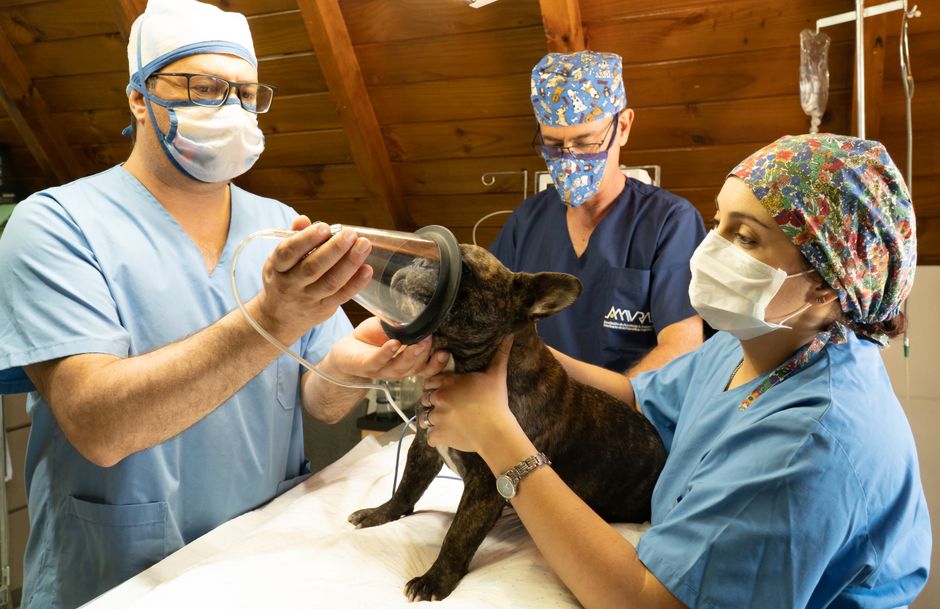
The surgical process begins with a thorough preoperative evaluation, including radiographs to assess the extent of the injury and ensure the best surgical plan. Your dog will be carefully monitored under anesthesia, and our veterinary professionals use specialized equipment to perform precise repairs. After surgery, pain management and infection prevention are top priorities, with our team providing detailed instructions for at-home care and follow-up visits.
Recovery and Rehabilitation
Recovery after dog knee surgery typically involves several weeks of restricted activity, gradual reintroduction of exercise, and ongoing monitoring by our veterinary team. We may recommend adjunct therapies such as laser therapy to reduce pain and accelerate healing. Follow-up appointments are essential to track your dog’s progress and adjust the rehabilitation plan as needed. Most dogs return to their favorite activities with improved mobility and comfort, thanks to the advanced care provided at our hospital.
Prevention and Home Care for Healthy Dog Knees
While some knee injuries are unavoidable, there are practical steps you can take to reduce your dog’s risk and support long-term joint health. Maintaining a healthy weight is one of the most effective ways to prevent excess strain on your dog’s knees. Regular, low-impact exercise helps strengthen the muscles around the joints, providing natural support and stability. Activities like walking on soft surfaces, swimming, and controlled play sessions can be especially beneficial.
Providing a balanced diet with joint-supporting nutrients, such as omega-3 fatty acids and glucosamine, can help keep your dog’s cartilage healthy. For puppies and young dogs, avoiding excessive jumping or rough play on hard surfaces can reduce the chances of developmental issues that lead to injury later in life.
At home, watch for subtle changes in your dog’s behavior or movement. Early intervention for mild lameness or stiffness can prevent more serious problems down the line. If you ever have questions about your dog’s joint health, our veterinarians are here to provide advice and recommend preventive care tailored to your pet’s lifestyle.
When to Seek Professional Veterinary Care
Knowing when to seek veterinary care is crucial for your dog’s well-being. If your dog suddenly stops using one of their legs, cries out in pain, or experiences significant swelling around the knee, immediate assessment by our veterinary team is essential. Chronic or recurring lameness, especially if it worsens with activity, also warrants a prompt visit to our hospital.
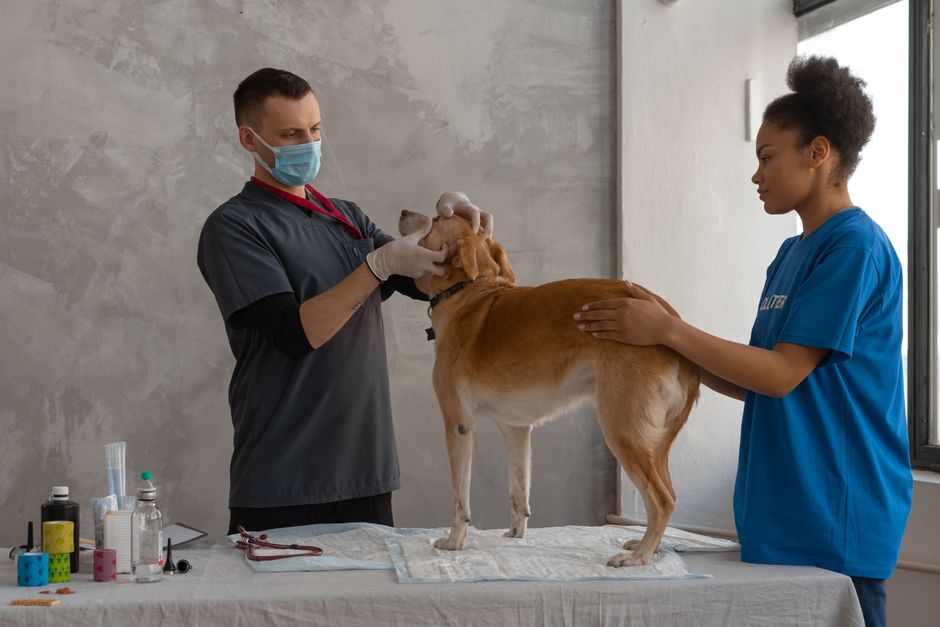
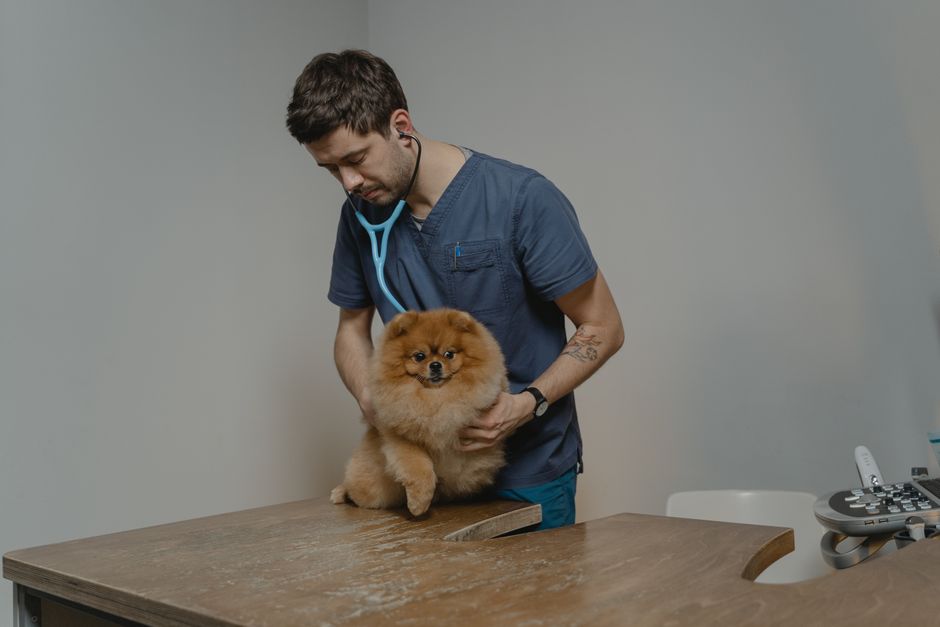
Even if symptoms seem mild or intermittent, scheduling an examination can help detect underlying issues before they become more severe. Our veterinarians use advanced diagnostic tools, including radiography and orthopedic evaluations, to pinpoint the cause of your pet’s discomfort and recommend the right treatment. Early action can make a significant difference in your dog’s recovery and long-term quality of life.
If you’re ever unsure about your dog’s symptoms, it’s always better to err on the side of caution and reach out for professional guidance. Our team at Pet Lovers Animal Hospital Long Beach is ready to support you every step of the way.
Compassionate Support for Dog Knee Surgery in Long Beach
Facing the possibility of dog knee surgery can feel overwhelming, but you don’t have to navigate it alone. At Pet Lovers Animal Hospital Long Beach, we combine advanced medical expertise with a compassionate approach and a commitment to budget-friendly care. Our veterinary professionals are dedicated to helping your dog regain their mobility and return to the activities they love most.
If you notice any signs of knee problems in your dog or have questions about the best treatment options, we encourage you to schedule an appointment with our experienced team. When searching for a veterinarian near me who truly cares about your pet’s health, our hospital stands out as a trusted partner in Long Beach and surrounding communities.
To learn more about our specialized orthopedic procedures, visit our orthopedic services page, or contact us at (562) 349-0000 to book a consultation. Together, we’ll create a personalized plan that supports your dog’s recovery and long-term wellness. Your pet’s comfort and happiness are always our top priorities, and we look forward to helping them enjoy life to the fullest after dog knee surgery.
This article is intended for informational purposes only and should not replace professional veterinary advice. If your pet is exhibiting signs of injury or illness, please contact your veterinarian promptly for a thorough evaluation and appropriate care.
References: