How to Keep Your Pet Safe From Fleas and Ticks This Spring

How to Keep Your Pet Safe From Fleas and Ticks This Spring
As spring arrives in Long Beach, many pet owners notice their dogs and cats scratching more, or even spot an unwelcome flea or tick. Warmer temperatures and increased outdoor activity create the perfect environment for these parasites to thrive, making flea and tick prevention a crucial part of your pet’s springtime health routine. At Pet Lovers Animal Hospital Long Beach, located at 5211 Atlantic Ave, Long Beach, CA 90805, our veterinary team understands how stressful it can be to deal with these pests. We’re here to help you protect your pet with smart, compassionate care that fits your budget. In this guide, we’ll walk you through how to recognize signs of infestation, understand why fleas and ticks are a seasonal concern in our area, explore prevention strategies, and know when it’s time to schedule an appointment. You’ll also discover how our flea and tick prevention services can keep your furry family member comfortable and healthy throughout the season.
Recognizing Flea and Tick Problems in Your Pet
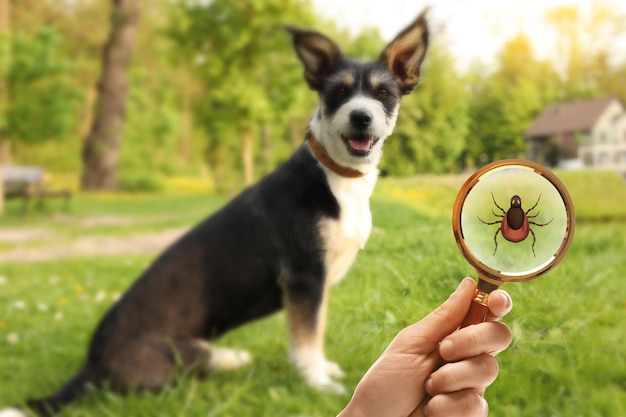
Detecting a flea or tick infestation early is essential for your pet’s comfort and health. Key symptoms include persistent scratching, biting, or licking at the skin, especially around the neck, ears, tail base, and belly. You might notice tiny dark specks—commonly called “flea dirt”—which are actually flea droppings that turn reddish-brown when moistened. Other signs include red, irritated skin, hair loss in patches, or scabs and hot spots that develop from excessive scratching. In more severe cases, pets may become restless, lose their appetite, or show signs of anemia such as pale gums and weakness. Ticks are often easier to spot; they appear as small, round bumps attached to the skin, often around the head, neck, or between the toes. Regularly checking your pet, especially after outdoor outings, can help catch these problems before they escalate.
Why Fleas and Ticks Are a Springtime Threat in Long Beach
Fleas and ticks flourish in mild, humid conditions, which makes spring in Long Beach an active season for these parasites. As the temperatures rise, flea eggs and larvae in the environment begin to hatch, quickly increasing the risk of exposure for pets who spend time outdoors. Ticks are also more active during the spring, waiting in tall grasses or shrubs for passing animals to latch onto. Our local climate, combined with urban wildlife like squirrels, raccoons, and neighborhood cats, creates an ongoing source of infestation for pets in Long Beach and surrounding communities. Even if your pet mostly stays indoors, fleas and ticks can hitch a ride inside on shoes, clothing, or other pets, making preventive care important for all dogs and cats.
The Health Risks Fleas and Ticks Pose to Pets
These parasites are more than just a nuisance. Fleas can transmit tapeworms and cause allergic reactions, leading to severe itching and skin infections. Heavy infestations may result in anemia, especially in kittens and puppies. Ticks carry diseases such as Lyme disease, ehrlichiosis, and anaplasmosis, which can cause long-term health problems for dogs and, less commonly, cats. Because some of these diseases are prevalent in Southern California, staying vigilant about prevention and early detection is essential for your pet’s well-being.
Professional Treatment and Management Options
If you suspect your pet has fleas or ticks, prompt action is important. Treatment approaches involve a combination of fast-acting products to kill adult parasites and strategies to eliminate eggs and larvae from your home environment. Our veterinary team at Pet Lovers Animal Hospital Long Beach can recommend safe and effective treatments tailored to your pet’s age, species, health status, and lifestyle. These may include topical spot-on medications, oral preventives, medicated shampoos, or injections that target fleas and ticks at multiple stages of their lifecycle. For pets with skin infections or allergic reactions, additional therapies such as antibiotics or anti-itch medications might be prescribed. It’s also crucial to treat all pets in the household and thoroughly clean bedding, carpets, and furniture to break the infestation cycle.
For tick removal, our veterinarians use proper techniques to ensure the entire tick, including the head, is removed safely to reduce the risk of infection. We also check your pet for signs of tick-borne illnesses and recommend follow-up care as needed. If you’d like more information about the specific products and protocols we use, our flea and tick prevention services page offers a detailed overview.
Preventing Fleas and Ticks at Home
Prevention is far easier than treating an active infestation, and fortunately, you have many options to keep your pet protected throughout the spring and beyond. Steps include using veterinarian-recommended flea and tick preventives consistently, even if your pet does not go outside often. These medications, available as topical applications, oral chewables, or collars, kill parasites before they can cause harm. In addition to medicating your pet, regular grooming and bathing help you spot problems early and keep your pet’s coat healthy.
Maintaining a clean home environment is also essential. Vacuum carpets, floors, and furniture frequently, paying special attention to areas where your pet sleeps or lounges. Washing your pet’s bedding in hot water every week helps destroy flea eggs and larvae. If your yard is part of your pet’s play area, keeping grass mowed and removing leaf litter or brush piles limits tick habitats. Avoid walking your dog through tall grass or wooded areas during peak tick season, or check them carefully after outdoor adventures.
When Should You See a Veterinarian for Flea or Tick Issues?
While mild infestations can sometimes be managed at home, certain situations call for professional help. If your pet continues to scratch, loses hair, develops sores, or appears lethargic, it’s time to schedule an appointment. Additional warning signs include persistent skin problems, visible signs of anemia such as pale gums, or if you find a tick attached for an unknown length of time. Puppies, kittens, senior pets, or those with chronic health conditions are especially vulnerable to complications from flea and tick infestations.
Our veterinary team at Pet Lovers Animal Hospital Long Beach is equipped to diagnose, treat, and prevent the full range of flea and tick issues affecting dogs and cats. We also offer guidance on choosing the right preventive products for your pet’s specific needs and lifestyle. If you have questions or notice something unusual, don’t hesitate to reach out—we’re here to support you and your pet every step of the way.
The Importance of Year-Round Prevention and Local Support
Fleas and ticks are not just a springtime problem; in Southern California’s mild climate, these pests can be a year-round concern. Staying proactive with prevention helps protect your pet’s health and your family’s comfort. Regular checkups and timely advice from trusted veterinary professionals make a big difference in keeping your pet parasite-free.
If you’re searching for a reliable "vet near me" for flea and tick prevention or treatment, our team at Pet Lovers Animal Hospital Long Beach is always ready to help. We serve Long Beach and surrounding communities with smart, compassionate care that fits any budget. To schedule an appointment or learn more about how to protect your pet this spring, call us at (562) 349-0000 or stop by our convenient location. For additional information on preventive options, visit our flea and tick prevention services page. Let us help you keep your dog or cat happy, healthy, and itch-free all season long.
The information in this blog is intended for educational purposes only and does not replace professional veterinary advice. Always consult your veterinarian for specific questions or concerns about your pet’s health.