Dog Knee Surgery: What Long Beach Pet Owners Need to Know


Dog Knee Surgery: What Long Beach Pet Owners Need to Know
Is your dog suddenly limping or struggling to keep up during walks around Long Beach? Knee injuries are surprisingly common in dogs, and if your pet is showing signs of pain or reduced mobility, you may be wondering if dog knee surgery is the right next step. At Pet Lovers Animal Hospital Long Beach, located at 5211 Atlantic Ave, Long Beach, CA 90805, our veterinary team specializes in providing smart, compassionate, and budget-friendly care for pets facing knee problems. In this blog, we will help you recognize signs that your dog might need knee surgery, explain the most common causes of knee injuries, discuss available treatment options, and guide you through what to expect during recovery. Whether you are scheduling an appointment for the first time or seeking a second opinion, our veterinarians are here to help your dog return to an active, pain-free life.
Recognizing the Signs: Does Your Dog Need Knee Surgery?
Knowing when your dog needs professional help for a knee problem can be challenging. Early recognition is essential for the best outcome. Key symptoms that may indicate a serious knee injury include sudden limping, reluctance to bear weight on one leg, difficulty rising or jumping, and audible clicking or popping sounds from the affected knee. You may also notice your dog holding a leg up while walking, having trouble navigating stairs, or showing swelling around the knee joint. Some dogs become less interested in play or exercise and may even vocalize in pain when their leg is touched.
Dogs of all ages and breeds can develop knee problems, but active dogs, large breeds, and those with previous injuries are at higher risk. If your pet’s symptoms persist for more than a day or two, or if you notice any obvious distress or inability to walk, it is important to schedule an appointment with our veterinary professionals promptly.
Understanding Why Knee Injuries Occur in Dogs
Dog knee injuries can happen suddenly, such as during a playful run at the park, or develop gradually due to underlying joint conditions. The most common culprit is a torn cranial cruciate ligament, which is similar to the ACL in humans. This ligament helps stabilize the knee, and when it becomes stretched or torn, instability, pain, and lameness result. Other frequent causes include luxating patella (where the kneecap slips out of place), trauma from accidents, or degenerative joint disease over time.
Certain factors increase the risk of knee problems in dogs. Obesity places extra strain on joints, increasing the likelihood of injury. Genetics also play a role; for example, breeds such as Labrador Retrievers, Rottweilers, and Bulldogs are more prone to ligament injuries. High-energy dogs engaged in activities like agility or fetch can be more susceptible to sudden twists or impacts that damage the knee.
Environmental factors, such as slippery floors or uneven surfaces, can also contribute to knee injuries. In the Long Beach area, where dogs often enjoy outdoor adventures, it is not uncommon for our veterinary team to see knee injuries resulting from enthusiastic play or unexpected tumbles.
Dog Knee Surgery Options and What to Expect
If your dog is diagnosed with a significant knee injury, surgery may be recommended to restore mobility and reduce pain. At Pet Lovers Animal Hospital Long Beach, our veterinarians offer a range of surgical solutions tailored to your dog’s specific condition and lifestyle.
One of the most advanced procedures for dogs with cranial cruciate ligament tears is the TPLO Surgery, or Tibial Plateau Leveling Osteotomy. This surgery changes the angle of the knee joint, allowing the dog to walk and run more comfortably without relying on the damaged ligament. For dogs with kneecap issues, our team may recommend Knee Cap Dislocation Surgery, which stabilizes the kneecap and prevents it from sliding out of place.
In some cases, ACL Repair Surgery is the preferred choice, especially for smaller dogs or those with less severe injuries. This procedure involves replacing or reinforcing the damaged ligament to restore normal function. Our orthopedic specialists will discuss all available options with you, helping you understand the benefits, risks, and costs associated with each.
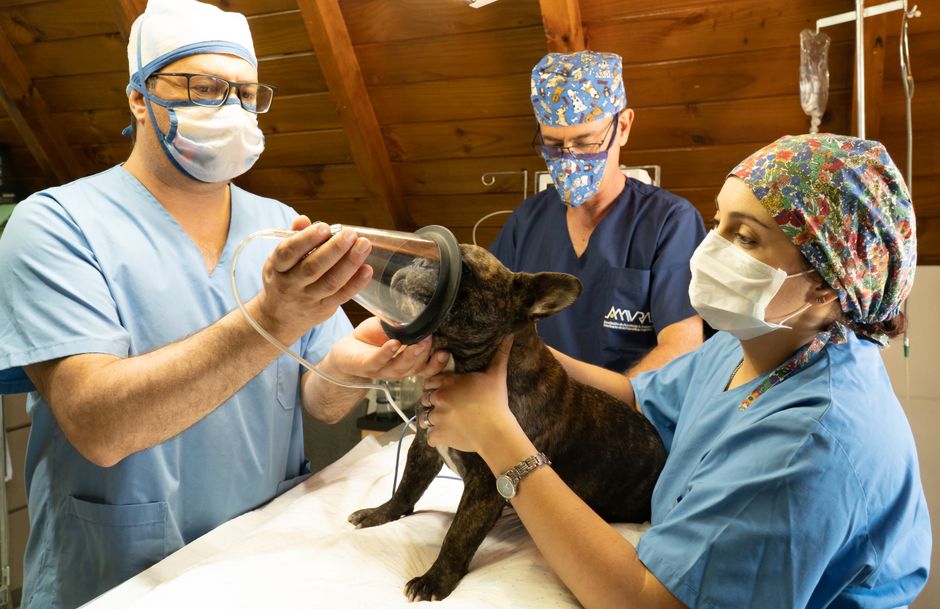
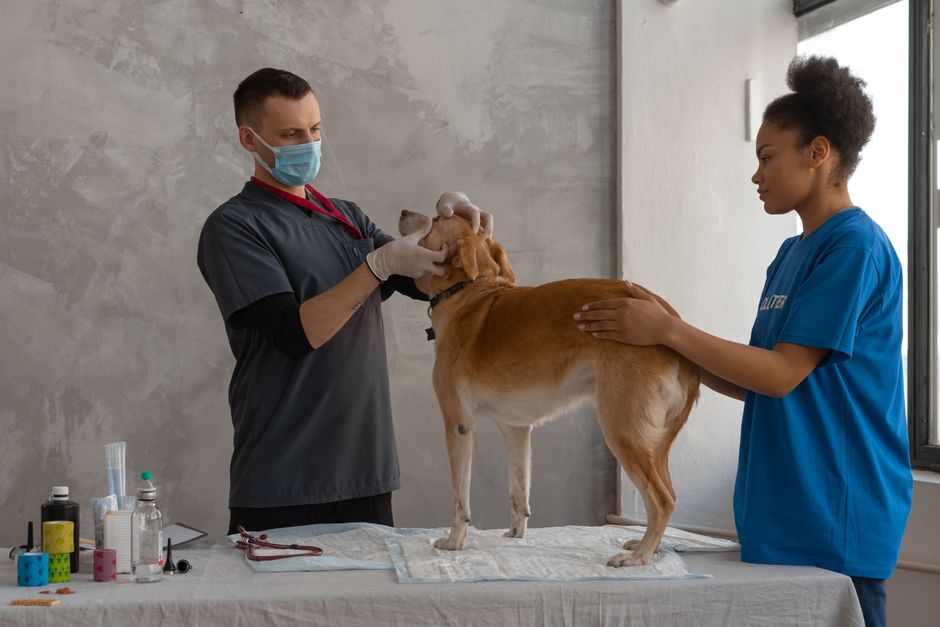
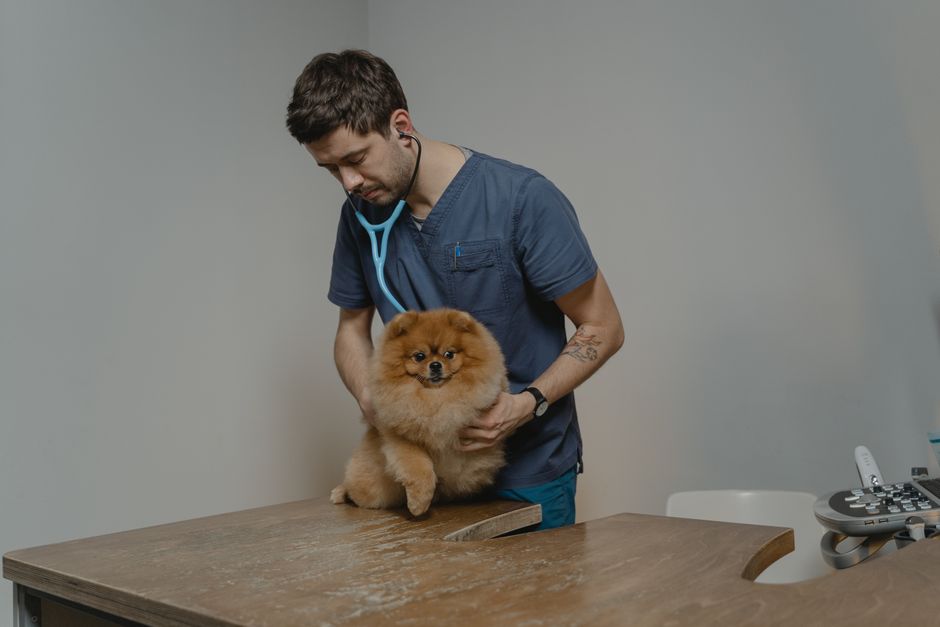
During your pet’s surgical consultation, our veterinarians will perform a thorough orthopedic assessment, which may include X-rays or advanced imaging. We will explain the surgical process, expected recovery time, and any special post-operative care your dog will need at home. Most dogs recover well with the right support, and many return to their favorite activities within a few months.
Recovery and Home Care After Dog Knee Surgery
Recovering from dog knee surgery requires patience, commitment, and plenty of support from both you and our veterinary team. After surgery, your dog will need a quiet, comfortable space to rest, and their activity will be restricted for several weeks. It is important to follow all post-surgical instructions carefully, including administering pain medications, preventing excessive movement, and attending scheduled follow-up visits.
Physical rehabilitation is often recommended to help your dog regain strength and mobility. Simple exercises, controlled leash walks, and gentle range-of-motion activities play a key role in the healing process. Our veterinarians can guide you through a rehabilitation plan tailored to your pet’s needs and progress.
Watch for signs of complications, such as persistent swelling, redness, discharge at the incision site, or sudden changes in behavior. If you notice any of these or if your dog seems to be in pain, contact our clinic immediately for guidance.
Most importantly, keep your dog’s weight in a healthy range during recovery. Excess weight increases stress on healing joints and can delay recovery. Feeding a balanced diet and limiting treats will make a significant difference in your dog’s outcome.
Preventing Dog Knee Injuries in Long Beach
While some knee injuries are unavoidable, there are steps you can take to reduce the risk for your dog. Maintaining a healthy weight is one of the most effective strategies for protecting joint health. Regular exercise tailored to your dog’s age, breed, and fitness level helps strengthen muscles and improve overall stability. Avoid letting your dog jump from high places or run on slippery surfaces, and supervise active play to prevent sudden twists or falls.
Annual wellness exams with our veterinary team allow us to monitor your dog’s joint health, catch early signs of arthritis or instability, and provide personalized recommendations for preventive care. If your dog is a high-risk breed or participates in athletic activities, we may suggest targeted conditioning exercises or supplements that support joint function.
If you have concerns about your dog’s knees, don’t hesitate to discuss them during your next visit. Early intervention can often prevent minor issues from becoming major problems.
When to Seek Veterinary Care for Dog Knee Problems
It can be difficult to determine when a limp or stumble warrants an immediate veterinary visit. As a general rule, if your dog is consistently favoring one leg, unable to stand or walk, or showing signs of significant pain such as whining, panting, or licking at the joint, you should schedule an appointment as soon as possible. Swelling, heat, or visible deformity in the knee joint are also warning signs that require prompt attention from our veterinary professionals.
Even if your dog’s symptoms seem mild, chronic or recurrent lameness can indicate underlying ligament or kneecap issues that worsen without treatment. Our veterinarians at Pet Lovers Animal Hospital Long Beach are committed to helping pets in Long Beach and surrounding communities recover fully and comfortably.
Compassionate, Budget-Friendly Dog Knee Surgery in Long Beach
Dog knee injuries can be stressful for both pets and their families, but with expert care and personal attention, most dogs can return to an active lifestyle. At Pet Lovers Animal Hospital Long Beach, we combine advanced surgical techniques with a compassionate approach that puts your dog’s wellbeing first. Our veterinary team is experienced in a variety of procedures, including TPLO Surgery, Knee Cap Dislocation Surgery, and ACL Repair Surgery, ensuring your pet receives the most appropriate treatment for their needs.
If you are searching for a vet near me who understands the importance of both quality and affordability, our clinic is here to help. We encourage you to schedule an appointment or call our caring team at (562) 349-0000 to discuss your dog’s symptoms and take the first step toward recovery. You can also visit us at 5211 Atlantic Ave, Long Beach, CA 90805 for a consultation.
Every dog deserves to enjoy life without pain. Trust our veterinarians to guide you through the process of dog knee surgery and deliver the compassionate, budget-friendly care your family counts on. For more information about our orthopedic services, explore our orthopedic care options or reach out to our team today.
Medical disclaimer: This blog is intended for informational purposes only and should not be used as a substitute for professional veterinary advice. If you have concerns about your pet’s health, please contact our veterinary team for an evaluation.