Pet Dental Health Tips for Long Beach in February

Pet Dental Health Tips for Long Beach in February
As we move through February, many pet owners in Long Beach and surrounding communities are looking for ways to keep their furry friends healthy and happy. At Pet Lovers Animal Hospital Long Beach, we know that dental health is often overlooked, yet it plays a vital role in your pet’s overall wellbeing. A healthy mouth means a healthier, more comfortable life for your dog or cat. In this blog, we will guide you through the essentials of pet dental care, including how to spot early signs of dental disease, why dental health matters, and practical steps you can take at home. We will also explain how our compassionate veterinary team here at 5211 Atlantic Ave, Long Beach, CA 90805 can support your pet’s dental needs, from routine cleanings to more advanced procedures. If you have ever wondered how to ensure your pet’s smile stays bright, or if you are searching for trustworthy advice from a veterinarian near me, you are in the right place.
Recognizing Signs of Dental Disease in Pets
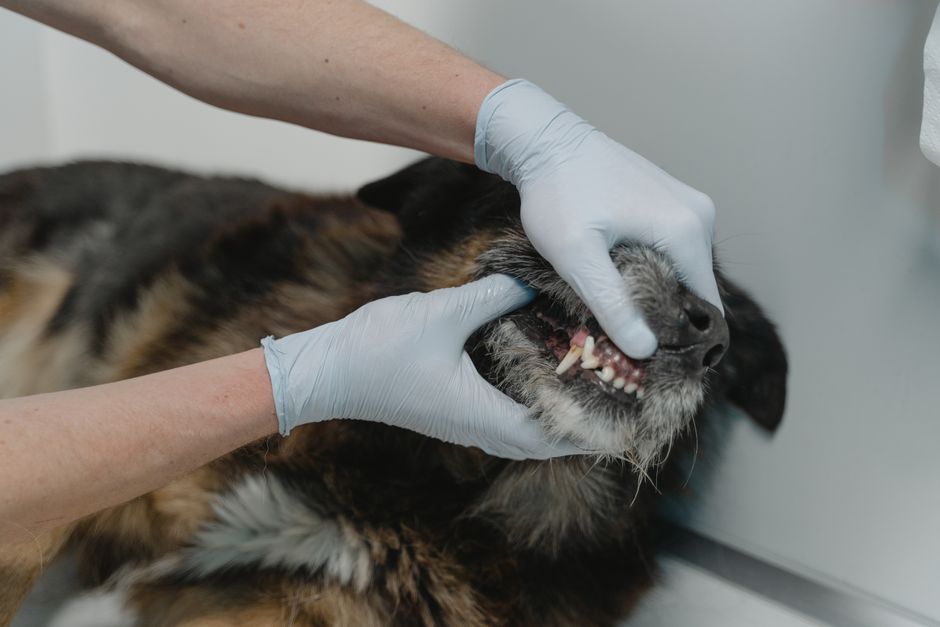
Many pet owners are surprised to learn that dental disease is one of the most common health problems seen in dogs and cats. However, because pets cannot tell us when something hurts, dental issues can go unnoticed until they become quite advanced. Key symptoms of dental problems in pets include persistent bad breath that does not improve with diet changes, red or swollen gums, visible tartar buildup on the teeth, and difficulty chewing or dropping food while eating. Some pets may paw at their mouth, show reluctance to play with chew toys, or even shun their favorite treats. Other signs are more subtle, such as changes in behavior or a sudden decrease in appetite, which can sometimes be mistaken for general aging. If you notice any of these warning signs, it is important to schedule an appointment with your veterinarian for a thorough oral health evaluation.
Understanding Why Dental Health Matters
Dental health is more than just a cosmetic concern; it is closely linked to your pet’s overall health. In the mildest cases, dental issues cause discomfort and make eating difficult. As dental disease progresses, bacteria from the mouth can enter the bloodstream and affect vital organs such as the heart, kidneys, and liver. This process, known as bacteremia, puts your pet at risk for serious health complications. The most common cause of dental disease in pets is the gradual buildup of plaque and tartar. Over time, this leads to inflammation of the gums (gingivitis), which can progress to periodontal disease if left untreated. Periodontal disease can destroy the tissues and bone that support the teeth, eventually resulting in pain, infection, and tooth loss. Factors contributing to dental disease in pets include genetics, age, diet, and lack of regular dental care. Small breed dogs and some cats are especially prone to dental problems, but all pets are at risk if their dental health is not managed proactively.
Professional Dental Care and Treatment Options
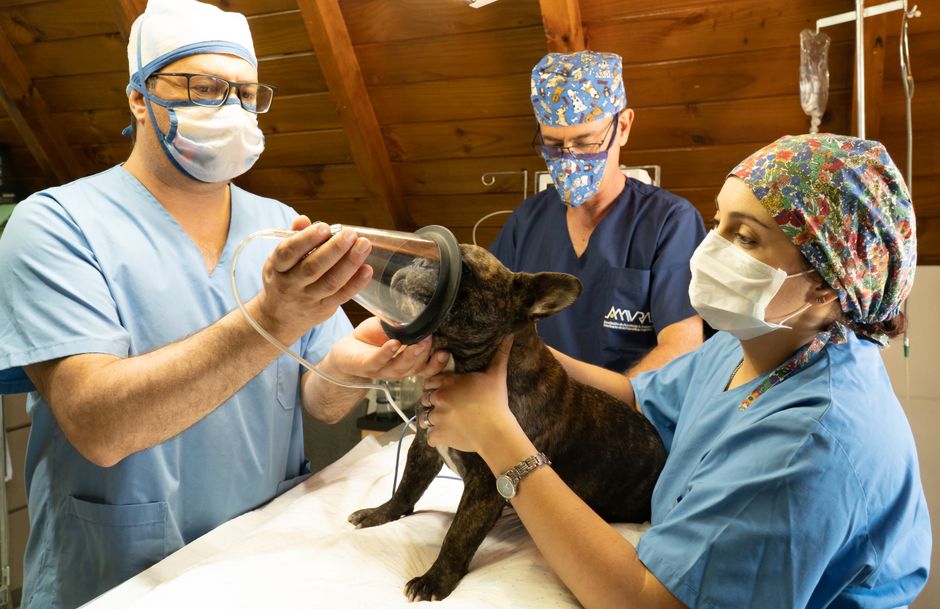
Professional veterinary dental care is essential for treating existing dental problems and preventing future issues. At Pet Lovers Animal Hospital Long Beach, our experienced veterinary team offers a wide range of dental services tailored to your pet’s specific needs. For many pets, the first step is a comprehensive dental examination, often accompanied by dental radiography to assess the health of teeth and jaw structures that cannot be seen during a visual exam. When dental disease is present, our veterinarians may recommend a professional cleaning under anesthesia to safely remove plaque and tartar both above and below the gumline. This deep cleaning can prevent the progression of periodontal disease and help restore your pet’s oral comfort.
In cases where dental disease has caused damage to the teeth or gums, additional treatments may be necessary. These can include dental repair services for fractured or damaged teeth, as well as pet oral surgery for more complex issues. Sometimes, severely affected teeth need to be removed to eliminate pain and infection; our team provides gentle pet tooth extractions when needed. Throughout every step, our focus is on your pet’s comfort and long-term wellbeing. We use advanced techniques and compassionate care to ensure the best possible outcomes, all while being mindful of your family’s budget.
Preventing Dental Disease: Home Care Tips for Pet Owners
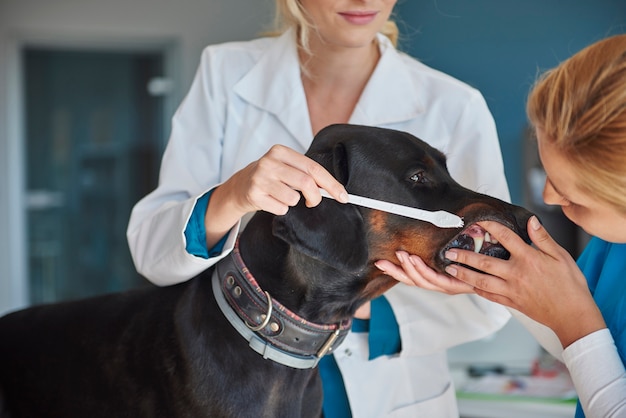
While professional veterinary care is essential, daily home care is the foundation of good dental health for pets. One of the most effective steps you can take is to brush your pet’s teeth regularly using a pet-safe toothbrush and toothpaste. Many pets gradually learn to accept toothbrushing as part of their routine, especially when introduced slowly with positive reinforcement. If brushing is not an option, there are dental chews, specialized diets, and water additives that can help reduce plaque formation. Providing chew toys and treats designed for dental health can also be beneficial, as chewing helps mechanically clean the teeth.
Regularly inspecting your pet’s mouth at home is another important habit. Look for changes in gum color, swelling, or any broken teeth. If you notice anything unusual, it is best to contact your veterinarian promptly. Scheduling annual dental checkups and professional cleanings as recommended by your veterinary team is also crucial; these visits allow for early detection and intervention before dental disease progresses. For more details on what a professional cleaning involves, you can explore our pet dental cleaning services. These routine visits are one of the best investments you can make in your pet’s overall health.
When to Seek Veterinary Dental Care
It is important to know when a dental issue is more than a minor concern and requires professional attention. If your pet is experiencing persistent bad breath, visible swelling in the face or gums, loose or missing teeth, bleeding from the mouth, or a sudden change in eating habits, these are urgent signs that should not be ignored. Painful dental conditions can progress rapidly, causing unnecessary suffering and increasing the risk of systemic infection. In these situations, prompt evaluation by your veterinary team is essential. Even if your pet seems only mildly affected, do not wait until symptoms worsen; early intervention can prevent more serious problems and may save teeth that would otherwise need to be extracted. Remember, dental disease is much easier and less expensive to manage in its early stages than once it has become advanced.
If you are ever unsure whether your pet’s dental issue requires immediate care, our team at Pet Lovers Animal Hospital Long Beach is here to help. We encourage you to reach out with any questions or concerns; we are committed to providing smart, compassionate, and budget-friendly care.
Take the Next Step: Schedule a Dental Checkup This February
A healthy mouth leads to a happier, healthier pet. By taking proactive steps at home and partnering with your local veterinary team, you can help ensure your pet’s smile stays bright all year long. If you are searching for a veterinarian near me or want to schedule a dental checkup for your pet, Pet Lovers Animal Hospital Long Beach is ready to support you. We welcome pets from Long Beach and surrounding communities, and our veterinary professionals are dedicated to making high-quality care accessible for every family.
Whether your pet is due for a routine cleaning, needs treatment for a dental problem, or you simply have questions about dental health, we invite you to contact us today. You can schedule an appointment by calling (562) 349-0000 or visiting us at 5211 Atlantic Ave, Long Beach, CA 90805. For more information on our range of dental services, explore our website or ask about our pet dental cleaning services during your next visit. Together, we can help your pet live their happiest, healthiest life—one bright smile at a time.
Please note: This blog is intended for informational purposes only and is not a substitute for professional veterinary advice. Always consult your veterinarian for concerns about your pet’s health.