How to Prevent Fleas and Ticks in Long Beach Pets

How to Prevent Fleas and Ticks in Long Beach Pets
Keeping your pet comfortable and healthy is a top priority for any pet owner, especially when it comes to protecting them from fleas and ticks. Even though Long Beach enjoys mild winters, these pesky parasites can still find ways to invade your home and affect your dog or cat’s well-being, particularly during February and into the spring. At Pet Lovers Animal Hospital Long Beach, located at 5211 Atlantic Ave, Long Beach, CA 90805, our veterinary team understands the unique challenges faced by local pet owners. That is why we are committed to providing smart, compassionate, and budget-friendly care for pets in Long Beach and surrounding communities.
In this blog, we will guide you through the essentials of flea and tick prevention for your furry companion. You will learn how to spot the warning signs of an infestation, understand why fleas and ticks thrive in our area, discover the most effective treatment options, and get practical tips for prevention at home. We will also cover when it is time to reach out to your veterinarian for professional help. For those looking to take a proactive approach, our team at Pet Lovers Animal Hospital Long Beach offers comprehensive flea and tick prevention services to help keep your pet healthy all year long.
Recognizing Flea and Tick Problems in Your Pet
It is not always easy to tell when your pet has fallen victim to fleas or ticks, especially during the cooler months when you might expect these pests to be less active. However, Long Beach’s temperate climate allows fleas and ticks to remain a threat even in winter. Common signs that your pet may be dealing with fleas include frequent scratching, licking, or biting at the skin, especially around the base of the tail, neck, or belly. You might also notice small black specks (often called flea dirt) in your pet’s fur or on bedding. In some cases, pets may develop red, irritated skin, hair loss, or even scabs from excessive scratching.
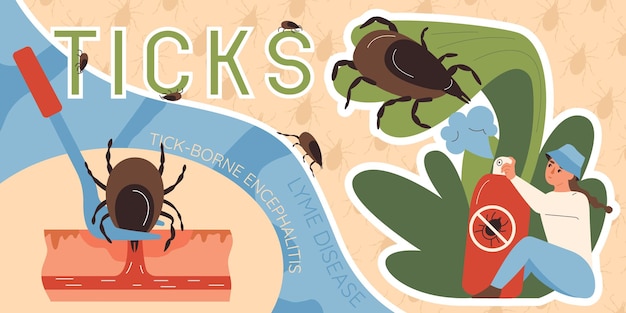
Tick infestations can be a bit trickier to spot. Ticks are often found attached to less hairy areas such as the ears, between the toes, or in the armpit and groin regions. Key symptoms of tick bites include localized swelling, redness, and irritation at the site of attachment. Some pets may show general signs of discomfort or lethargy, while others might develop more severe symptoms if a tick-borne illness is transmitted.
For both fleas and ticks, it is important to be vigilant for behavioral changes such as restlessness, decreased appetite, or signs of discomfort. If you notice any of these issues, a prompt examination by your veterinarian is recommended to determine whether fleas or ticks are to blame.
Why Fleas and Ticks Are a Year-Round Concern in Long Beach
Fleas and ticks are not just a summertime nuisance in Southern California. The mild winters and relatively high humidity in Long Beach allow these parasites to remain active throughout the year. Fleas can survive indoors on pets and in household environments, hatching from eggs that have fallen into carpets, bedding, or furniture. Outdoor areas such as parks, yards, and even sidewalks can harbor flea larvae, while wildlife such as squirrels, raccoons, and opossums can carry both fleas and ticks into urban neighborhoods.
Ticks are often found in grassy or wooded areas, but they can also be transported into your yard by other animals. The brown dog tick, for example, is well-adapted to California’s climate and can complete its entire life cycle indoors, making it a persistent problem for many pet owners. Seasonal weather shifts may cause brief changes in parasite activity, but the reality is that Long Beach pets are at risk of flea and tick exposure all year long.
Traveling with your pet, visits to dog parks, or contact with other animals can increase the likelihood of bringing fleas or ticks home. Even indoor-only cats are not immune, as fleas can hitch a ride on shoes or clothing. Understanding the local environment and how these pests thrive is the first step toward keeping your pet safe.
Professional Flea and Tick Treatment and Prevention at the Veterinary Clinic
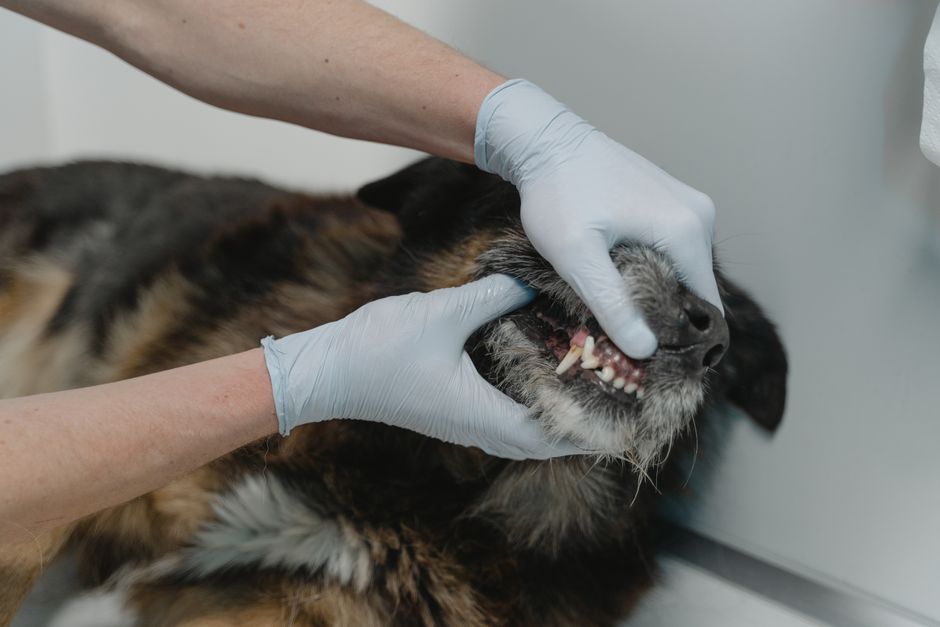
When dealing with fleas or ticks, professional veterinary care offers the safest and most effective path to relief for your pet. At Pet Lovers Animal Hospital Long Beach, our veterinarians start with a thorough examination to identify the presence of parasites and assess your pet’s overall health. Depending on the situation, we may recommend diagnostic testing to rule out tick-borne diseases or secondary skin infections.
Treatment options for fleas typically involve prescription-strength topical or oral medications that are designed to kill adult fleas and disrupt the life cycle to prevent reinfestation. For severe infestations, additional steps such as medicated baths or sprays may be necessary to provide immediate relief. Our veterinary team can also provide guidance on treating your home environment to eliminate eggs and larvae.
For ticks, removal must be performed carefully to avoid leaving mouthparts embedded in your pet’s skin. Our veterinarians use safe, effective techniques for tick removal and will monitor your pet for any signs of infection or illness following exposure. If a tick-borne disease is suspected, appropriate blood tests and targeted treatments can be administered.
Long-term prevention is key. Our flea and tick prevention services include recommending the right preventive products based on your pet’s age, weight, lifestyle, and medical history. Whether your pet prefers a monthly chewable, a topical solution, or a long-acting collar, our veterinary professionals can help you choose the best option for your needs and budget.
Home Care Tips for Flea and Tick Prevention
Taking preventive measures at home is essential for keeping fleas and ticks at bay. Begin by using veterinarian-approved preventive medications year-round; even a short lapse in protection can give parasites a chance to take hold. Regularly vacuuming carpets, rugs, and upholstery can help remove flea eggs and larvae from your home, while frequent washing of pet bedding in hot water will reduce the risk of reinfestation.
Outdoor maintenance is also important. Keep your yard tidy by trimming grass and bushes, removing leaf litter, and discouraging wildlife from entering your property. If your pet spends time in parks or wooded areas, inspect their coat closely after each outing, paying special attention to areas where ticks like to hide.
Bathing your pet with a gentle, veterinarian-recommended shampoo can help remove any stray fleas or ticks before they become a problem. For multi-pet households, ensure that all animals are protected; otherwise, fleas and ticks can move between hosts.
If you are uncertain about which preventive products or cleaning routines are best for your household, consult your veterinarian for personalized advice. The right strategy will depend on your pet’s specific risks and lifestyle.
When to Seek Veterinary Care for Flea and Tick Issues
Prompt veterinary attention is important if you suspect your pet has a flea or tick problem, especially if you notice signs such as constant scratching, visible parasites, skin irritation, or behavior changes. Other warning signs that require immediate attention include severe hair loss, open sores, lethargy, pale gums, or evidence of a tick attached for more than 24 hours.
Additionally, some pets may develop allergic reactions to flea saliva, known as flea allergy dermatitis, which can lead to intense itching and skin infections. Tick-borne diseases such as Lyme disease, ehrlichiosis, or anaplasmosis can cause symptoms ranging from fever and joint pain to more subtle changes in appetite or energy levels.
If you have tried over-the-counter treatments without success, or if your pet’s condition is worsening, schedule an appointment with our veterinary team right away. Timely intervention can make all the difference in your pet’s comfort and long-term health.
Keeping Your Pet Healthy Year-Round in Long Beach
Preventing fleas and ticks is an ongoing responsibility, especially in Long Beach’s mild climate where these pests thrive year-round. By staying alert to early signs of infestation, understanding why fleas and ticks are a local concern, and using a combination of professional veterinary care and home prevention strategies, you can give your pet the best chance at a comfortable, healthy life.
If you are searching for a veterinarian near me who understands the unique needs of Long Beach pets, look no further than Pet Lovers Animal Hospital Long Beach. Our compassionate veterinary professionals are here to support you with smart, budget-friendly solutions for flea and tick prevention, as well as comprehensive care for every stage of your pet’s life. To schedule an appointment or learn more about our flea and tick prevention services, call us at (562) 349-0000 or visit us at 5211 Atlantic Ave, Long Beach, CA 90805.
Remember, the best way to protect your pet from fleas and ticks is through proactive, year-round prevention and a strong partnership with your local veterinary team. Your pet’s comfort and health are always our top priority. For more information on parasite prevention or to discuss your pet’s needs, do not hesitate to reach out to our team.
This blog is intended for educational purposes only and does not replace professional veterinary advice. If you have specific concerns about your pet’s health, consult your veterinarian promptly.