Spring Pet Dental Care Tips for Long Beach Owners


Spring Pet Dental Care Tips for Long Beach Owners
As spring returns to Long Beach, many pet owners notice their furry companions enjoying more time outdoors, soaking up the sunshine and fresh air. However, this seasonal shift often brings another, less pleasant change: worsening pet breath and subtle signs of dental discomfort. If you have caught a whiff of your dog’s or cat’s breath and found it less than fresh, you are not alone. Dental health is a cornerstone of overall wellness for pets, and spring is the perfect time to focus on their oral care. At Pet Lovers Animal Hospital Long Beach, conveniently located at 5211 Atlantic Ave, Long Beach, CA 90805, our team of veterinarians is passionate about providing smart, compassionate, and budget-friendly dental care for pets across Long Beach and surrounding communities.
In this blog, we will explore the most common signs of dental issues in pets, the reasons these problems arise, and how professional treatments like dental cleanings and oral surgery can protect your pet’s health. We will also share practical home care routines to keep your pet’s teeth sparkling between veterinary visits and explain why March and the spring months are ideal for booking a dental checkup. By the end, you will know when it is time to schedule an appointment and how to find a veterinarian near you who truly cares about your pet’s wellbeing.
Recognizing Dental Problems in Your Pet: Early Signs to Watch For
Dental disease is one of the most frequently diagnosed health issues in dogs and cats, yet the early signs can be easy to miss. Most pets do not show obvious discomfort until dental problems have escalated, so it is important for owners to be vigilant about subtle changes. Symptoms to watch for include persistent bad breath, which often signals underlying bacteria or infection. You may also notice yellow or brown tartar buildup along the gumline, reddened or swollen gums, and reluctance to chew toys or food. Some pets may paw at their mouths, drool excessively, or drop food while eating. Additionally, changes in appetite, decreased interest in chew toys, and unexplained irritability can all be linked to dental discomfort.
Cats, in particular, may hide signs of pain, so keep an eye out for subtle behavioral shifts such as withdrawing from family activities or grooming less frequently. In severe cases, loose or missing teeth and visible sores or lumps inside the mouth may be present. All of these can indicate an urgent need for professional attention.
Why Dental Disease Develops: Understanding the Causes
Dental disease in pets typically develops gradually, starting with the accumulation of plaque on tooth surfaces. Plaque forms from food particles, saliva, and bacteria that naturally reside in the mouth. If not removed through regular cleaning, plaque hardens into tartar, which can irritate the gums and lead to inflammation called gingivitis. Over time, this process allows bacteria to penetrate below the gumline, causing periodontal disease—a painful condition that can affect not only the teeth and gums but also internal organs if bacteria enter the bloodstream.
Certain breeds, especially smaller dogs and brachycephalic (short-nosed) breeds, are more prone to dental issues due to the alignment of their teeth and the shape of their jaws. Diet, age, and genetics also play a role. Feeding primarily wet food, skipping regular home brushing, or allowing chews and treats that stick to teeth can all increase the risk of dental problems. In Long Beach, seasonal factors like increased outdoor activity can sometimes lead to pets chewing on sticks, rocks, or other debris, which may damage teeth or accelerate tartar buildup.
Professional Dental Care for Pets: What to Expect from Veterinary Treatment
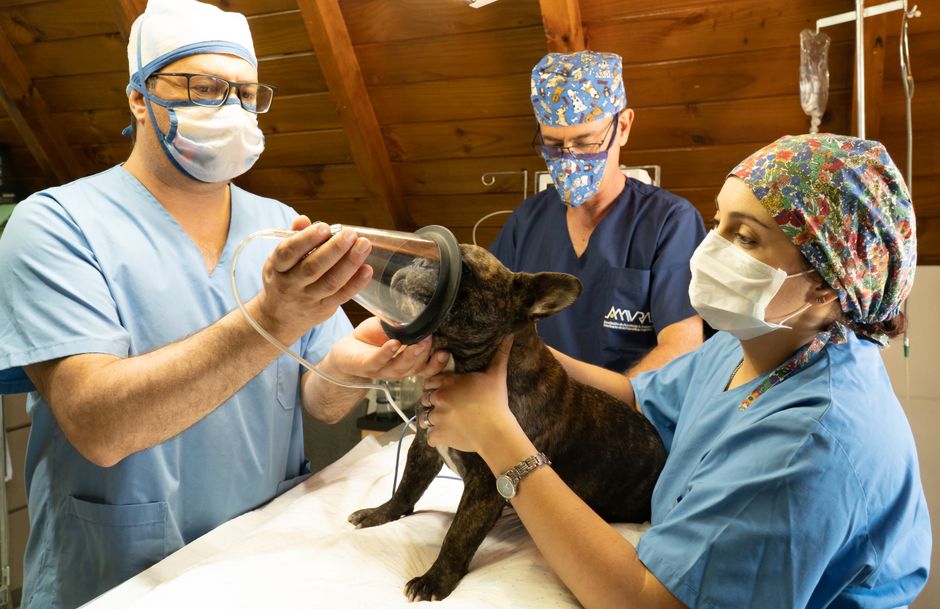
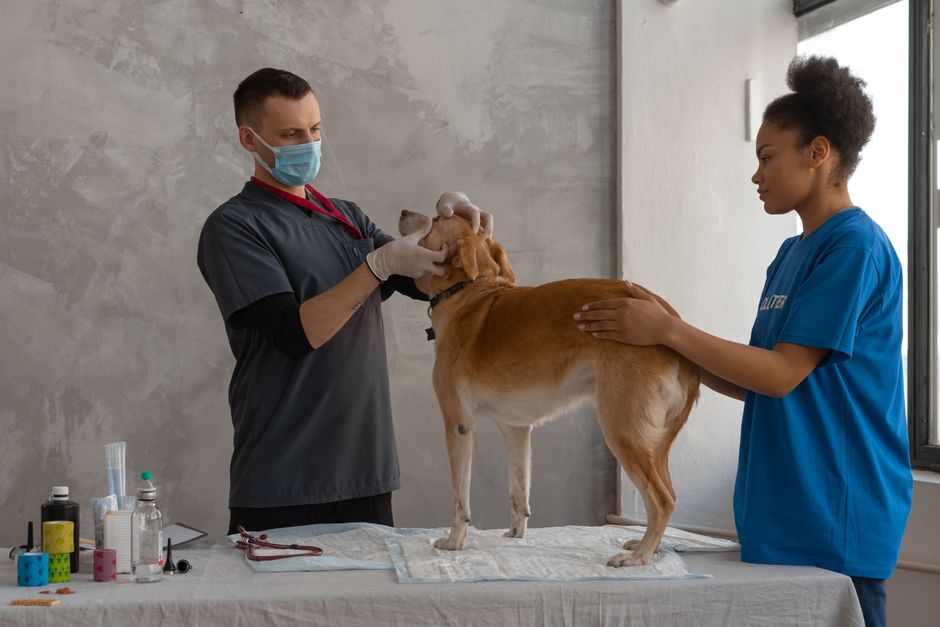
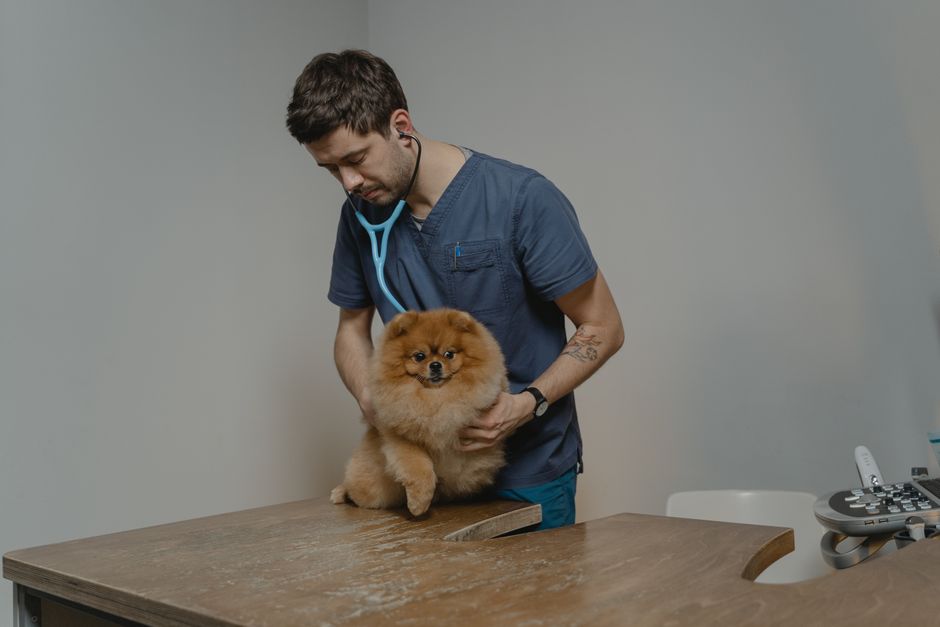
When your pet arrives for a dental evaluation at Pet Lovers Animal Hospital Long Beach, our veterinary professionals begin with a thorough oral examination, looking for signs of disease, damaged teeth, or hidden infection. If dental disease is suspected, we may recommend a professional cleaning to remove tartar above and below the gumline. This procedure is performed under general anesthesia for your pet’s safety and comfort, allowing us to access every tooth and thoroughly clean the mouth.
For many pets, dental cleanings are a routine part of preventive care. However, if x-rays or oral examination reveal more advanced problems—such as fractured teeth, abscesses, or severe periodontal disease—additional treatments may be necessary. Our team offers advanced dental services, including dental repair, dental radiography, pet oral surgery, and pet tooth extractions, all provided with careful attention to pain management and your pet’s comfort. We also use dental radiographs to assess the roots and jawbone, ensuring hidden issues are not missed.
After treatment, our veterinarians will discuss ongoing home care and schedule follow-up visits as needed to monitor your pet’s progress. Our focus is always on providing effective, compassionate care that fits your family’s budget, with transparent communication about all recommended services. For more information about our professional dental cleaning services for pets, visit our website or give us a call.
Home Dental Care: Steps to Protect Your Pet’s Smile Between Visits
While professional cleanings are crucial, daily home care is the best way to prevent dental disease from returning. Brushing your pet’s teeth with a veterinarian-approved toothpaste is the gold standard; start slowly, using gentle motions and plenty of praise to help your pet adjust. For pets that resist brushing, dental wipes and rinses can offer an alternative, helping to reduce bacteria and freshen breath.
Dental chews and toys designed to scrub teeth as your pet gnaws are another helpful strategy, although these should complement, not replace, brushing. Always choose products approved by veterinary dental organizations, and avoid hard treats or bones that could fracture teeth. Feeding a diet designed to promote oral health, providing regular access to water, and scheduling annual dental checkups are additional ways to support your pet’s smile.
If you notice lingering bad breath, tartar buildup, or any changes in your pet’s eating habits, do not wait until your next scheduled visit—these may be early warning signs that need prompt attention.
When to Schedule a Dental Checkup: Recognizing the Right Time for Veterinary Care
Deciding when to bring your pet in for dental care can be challenging, but certain situations warrant immediate action. If you see bleeding from the mouth, loose or missing teeth, swelling of the face or jaw, or your pet stops eating, contact your veterinarian right away. Persistent bad breath, reluctance to chew, or visible tartar and gum redness are all signs that a dental exam is needed soon.
Many pet owners find that March and the early spring months are a convenient time for dental checkups, as schedules become less hectic after the holidays and before summer travel begins. Spring also offers the benefit of tackling dental issues before warmer temperatures bring more outdoor activities, which can sometimes expose pets to new dental hazards.
At Pet Lovers Animal Hospital Long Beach, we recommend scheduling a dental evaluation as part of your pet’s preventive health plan. Our veterinary team is dedicated to catching problems early, offering clear explanations, and working with you to find the most effective solutions.
Why Choose Pet Lovers Animal Hospital Long Beach for Spring Dental Care?
Long Beach and its surrounding communities have many options for veterinary care, but our clinic stands out for its commitment to smart, compassionate service that does not compromise on quality or affordability. Our team of veterinarians is experienced in all aspects of pet dental health, from preventive cleanings to advanced procedures like oral surgery and extractions. We use state-of-the-art diagnostic tools and gentle techniques to make every visit as stress-free as possible for both you and your pet.
We believe that every pet deserves a healthy, pain-free mouth, and we are here to support you with education, guidance, and personalized care. Whether your pet is due for a routine cleaning or you have concerns about a specific dental issue, our goal is to build a lasting relationship based on trust, transparency, and genuine concern for your companion’s wellbeing.
Take the Next Step: Protect Your Pet’s Smile This Spring
As you enjoy the beauty of spring in Long Beach, take a moment to consider your pet’s oral health. Dental disease is common, but with the right preventive care and support from your local veterinarian, you can help your pet maintain a healthy, comfortable smile for years to come. If you have noticed any signs of dental trouble, or if it’s simply time for a routine checkup, we encourage you to schedule an appointment with our veterinary professionals at Pet Lovers Animal Hospital Long Beach.
To learn more about our professional dental cleaning services for pets, advanced dental repair, or other dental care options, visit our website or call (562) 349-0000. When searching for a veterinarian near me, remember that our compassionate team is here to provide comprehensive dental care that fits your family’s needs and budget.
Your pet’s health and happiness are our top priorities, and we look forward to helping you both enjoy a fresh start this spring. For trusted dental care and year-round wellness support in Long Beach and the surrounding communities, choose Pet Lovers Animal Hospital Long Beach—your local partner in lifelong pet health.
Medical Disclaimer: This article is for informational purposes only and is not a substitute for professional veterinary advice, diagnosis, or treatment. Always consult your veterinarian for specific concerns about your pet’s dental health.