TPLO Surgery for Dogs: What Long Beach Pet Owners Need to Know

TPLO Surgery for Dogs: What Long Beach Pet Owners Need to Know
When your dog suddenly starts limping or seems unable to put weight on a hind leg, it can be both distressing and confusing. One common cause of this symptom is a torn cranial cruciate ligament (CCL)—the canine equivalent of an ACL injury in humans. For many pets, especially those with active lifestyles or certain breeds prone to ligament injuries, Tibial Plateau Leveling Osteotomy (TPLO) surgery can be a life-changing solution. At Pet Lovers Animal Hospital Long Beach, we understand how important your pet's mobility and comfort are to you. We provide compassionate, budget-friendly TPLO surgery for dogs right here in Long Beach and surrounding communities. In this guide, we’ll help you understand what TPLO surgery involves, how to know if your dog might need it, what to expect from the recovery process, and how our veterinary team supports you every step of the way. If you’re searching for information about “tplo surgery dog” or wondering if this advanced orthopedic solution is right for your pet, you’re in the right place.
Recognizing Cruciate Ligament Injuries in Dogs
Dogs love to run, jump, and play, which sometimes leads to injuries that require immediate attention. A torn cranial cruciate ligament is one of the most common orthopedic problems veterinarians see. Recognizing the signs early helps ensure your dog gets timely and appropriate care.
Key symptoms of a CCL injury include sudden limping or lameness, especially after vigorous activity. You might notice your dog holding up one of their back legs, struggling to rise after lying down, or avoiding activities they once enjoyed. Swelling around the knee, stiffness after rest, and an obvious decrease in activity level are also indicators. Some dogs may only show subtle changes at first, such as hesitating before jumping onto the couch or into the car. These changes can easily be mistaken for minor sprains or simple soreness, which is why prompt evaluation by your veterinarian is so important.
If your dog displays any of these warning signs, schedule an appointment with our veterinary team at Pet Lovers Animal Hospital Long Beach. Early intervention can prevent further joint damage and help your pet return to their active, happy self more quickly.
Why Do Dogs Need TPLO Surgery?
Understanding why a dog might require TPLO surgery starts with knowing how the cranial cruciate ligament works. This ligament stabilizes the knee joint and prevents the femur from sliding across the tibia. When it tears or ruptures, the knee becomes unstable, causing pain and inflammation.
There are several contributing factors to CCL injuries. Breed predisposition plays a significant role; larger breeds like Labradors, Golden Retrievers, and Rottweilers are more at risk, but dogs of any size can be affected. Obesity increases stress on the joints, making overweight pets more susceptible. Age and activity level also matter; both highly active dogs and older pets are at risk, as are those with conformational issues that put added strain on the knees. Sometimes, a single traumatic event causes the injury, while in other cases, it results from gradual degeneration of the ligament over time.
Without proper stabilization, the knee joint will continue to deteriorate, leading to chronic pain, arthritis, and loss of function. This is where surgical intervention, specifically TPLO, becomes a highly effective treatment option.
Understanding TPLO Surgery for Dogs
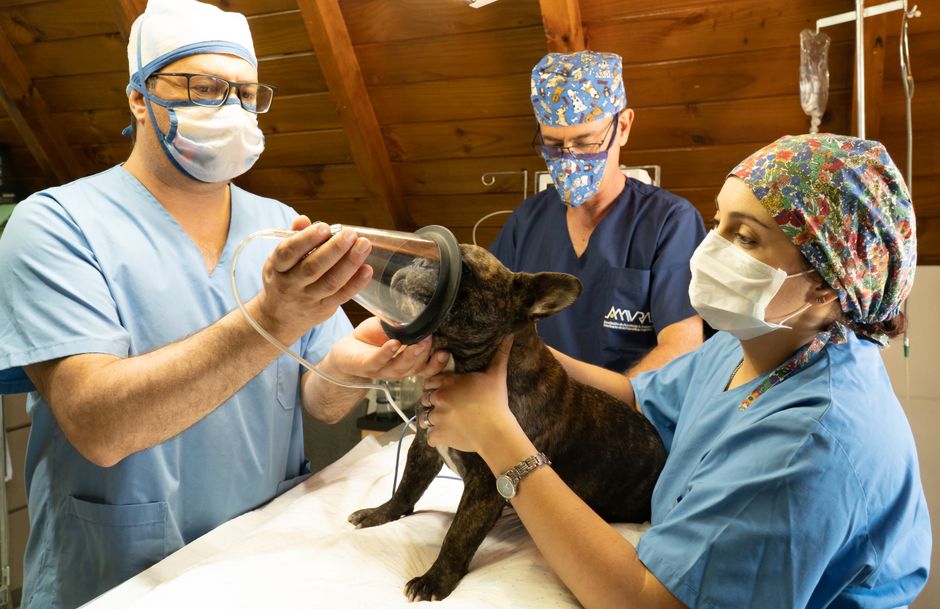
TPLO surgery is a specialized orthopedic procedure designed to restore function and comfort to a dog’s injured knee. Unlike traditional repairs that attempt to reconstruct the torn ligament, TPLO changes the biomechanics of the knee joint itself, allowing your dog to regain stability without relying on the damaged ligament.
During the procedure, the veterinary surgeon makes a precise cut in the tibia (shin bone), rotates it to a specific angle, and then secures it with a plate and screws. This new alignment prevents the femur from sliding forward, effectively stabilizing the knee. The approach is widely regarded as one of the most reliable and successful treatments for CCL injuries, especially in medium to large, active dogs.
At Pet Lovers Animal Hospital Long Beach, our veterinary professionals use advanced surgical techniques and modern equipment to ensure your dog receives the best possible care. We understand that surgery can be a significant decision for pet owners, which is why we emphasize compassionate communication and thorough explanations at every stage. If you would like to learn more about TPLO surgery services for dogs, our team is here to answer your questions and guide you through the process.
What to Expect During Recovery
The recovery period after TPLO surgery is critical to your dog’s long-term success. Initially, your pet will need strict rest and limited movement to allow the bone to heal. This typically involves crate rest or confinement to a small area for several weeks, along with short, controlled leash walks for potty breaks.
Pain management and anti-inflammatory medications will help keep your pet comfortable. Our veterinary team will provide detailed instructions on how to monitor the incision, recognize any signs of complications, and gradually reintroduce activity. Physical rehabilitation, whether at home or with a professional, often plays a key role in restoring muscle strength and joint function.
Most dogs begin to show improvement within a few weeks, with full recovery taking approximately three to four months. Many pets return to their pre-injury activity levels, enjoying pain-free walks, playtime, and even agility sports. Throughout this journey, our team of veterinarians remains available for follow-up visits, progress checks, and ongoing support.
Costs, Considerations, and Budget-Friendly Options
One of the most common questions pet owners have about TPLO surgery is what it will cost. The price can vary based on factors such as your dog’s size, the complexity of the injury, pre-surgical diagnostics, and post-operative care needs. At Pet Lovers Animal Hospital Long Beach, we are committed to providing high-quality care that fits your budget. Our approach includes transparent pricing, estimates before any procedure, and a discussion of all available options.
We also understand the financial concerns that come with advanced veterinary procedures. That’s why our veterinary professionals are happy to discuss payment plans, insurance options, and alternative treatments if TPLO isn’t the right fit for your pet. Your peace of mind is just as important to us as your pet’s health.
If you are considering TPLO surgery for your dog, we invite you to schedule a consultation so we can answer your questions and help you make an informed decision.
Preventing Cruciate Ligament Injuries and Supporting Your Dog at Home
While not all CCL injuries can be prevented, there are steps you can take to reduce your dog’s risk. Maintaining a healthy weight is crucial; excess pounds put added strain on the joints, increasing the likelihood of injury. Regular exercise tailored to your dog’s age and breed helps keep muscles strong and joints flexible, but avoid sudden, intense bursts of activity, especially if your dog is not conditioned for it.
If your pet has already experienced a CCL tear in one leg, be aware that the opposite knee is at increased risk. Watch for early signs of limping or discomfort and consult your veterinarian right away if you notice any changes. At home, provide non-slip surfaces to help prevent falls, use ramps if needed, and consider joint supplements after discussing them with your veterinarian.
For ongoing support, our veterinary team can recommend strategies for joint health and answer your questions about orthopedic wellness. You can also explore our orthopedic veterinary services for more information on protecting your dog's mobility.
When to Seek Veterinary Care for Your Dog’s Knee Injury
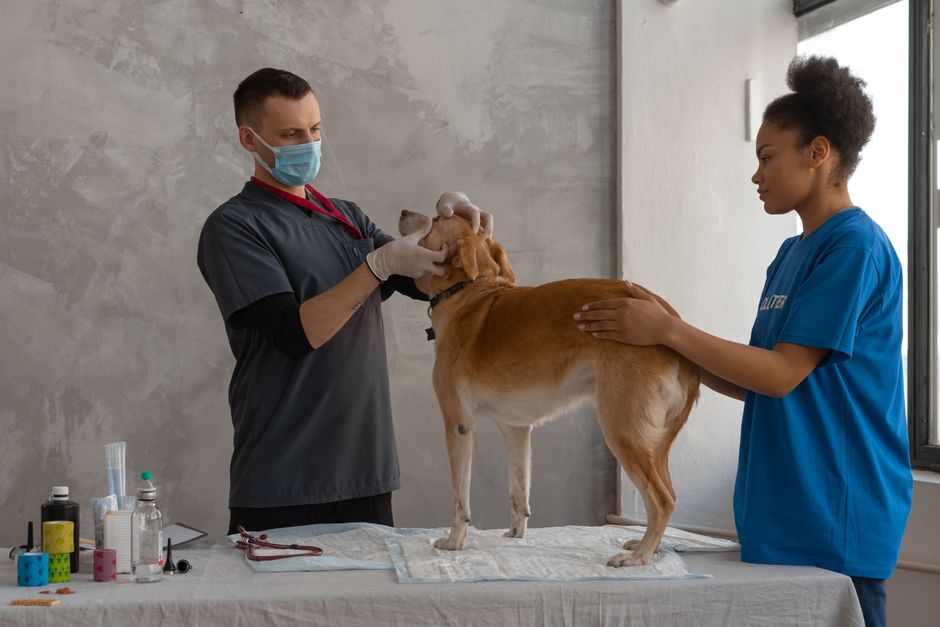
If your dog is limping, appears to be in pain, or is unable to use one of their hind legs, it is important to seek veterinary evaluation as soon as possible. Some injuries can worsen rapidly, and early intervention often leads to better outcomes. Additional warning signs that require prompt attention include persistent swelling, inability to stand, or any sign of severe discomfort.
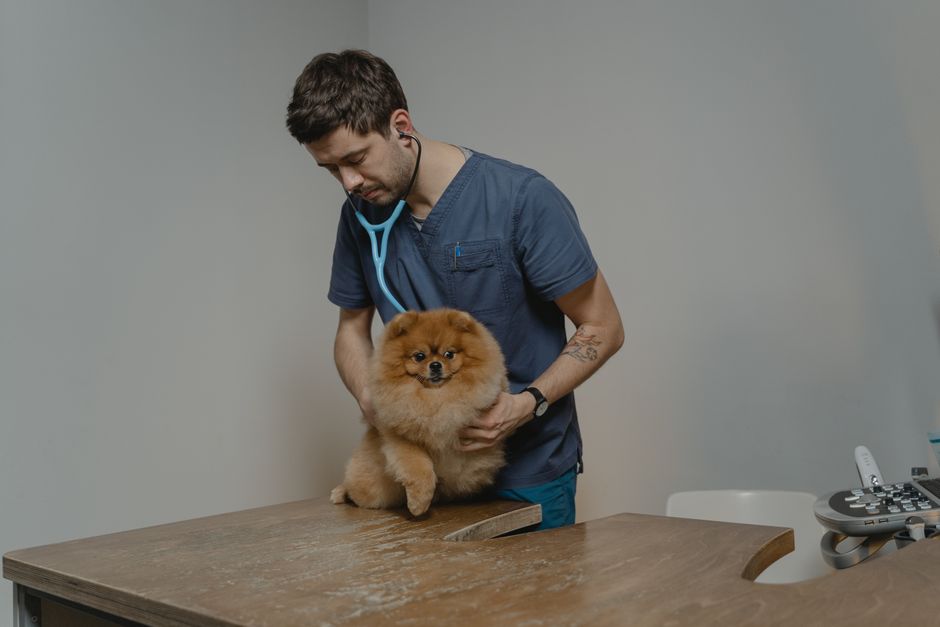
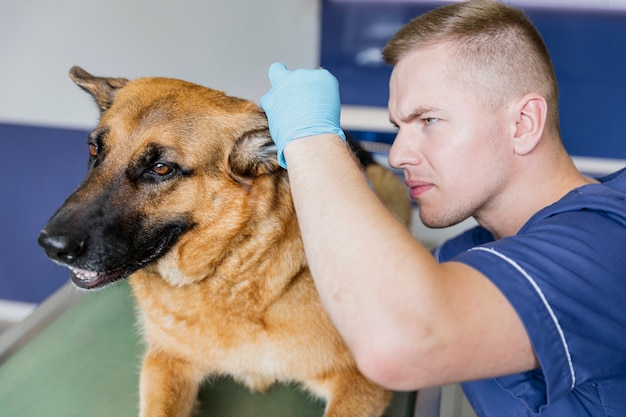
Our veterinarians at Pet Lovers Animal Hospital Long Beach are experienced in diagnosing and treating orthopedic injuries, including those requiring TPLO surgery. We use diagnostic imaging, physical examination, and a comprehensive approach to determine the best treatment for your pet. Early diagnosis and treatment can prevent further joint damage and help your dog return to their active lifestyle.
For those moments when you are unsure if your pet’s limp requires urgent care, remember that it is always better to err on the side of caution. Schedule an appointment with our team, and we will guide you through the next steps.
Compassionate TPLO Surgery and Orthopedic Care in Long Beach
Deciding on TPLO surgery for your dog is a significant step, but you don’t have to make it alone. At Pet Lovers Animal Hospital Long Beach, our veterinary professionals are dedicated to helping you make the best choices for your pet’s health and happiness. We offer personalized care, clear communication, and support throughout the entire process, from diagnosis to full recovery.
If you are searching for a “vet near me” who provides advanced orthopedic services and truly cares about your pet’s comfort and mobility, our team is here to help. Whether you need more information about TPLO surgery for dogs, want to explore orthopedic veterinary services, or simply have questions about your dog’s mobility, we welcome you to reach out.
To schedule an appointment or speak with one of our veterinarians, call (562) 349-0000 or visit us at 5211 Atlantic Ave, Long Beach, CA 90805. Let us help your dog get back on their paws with expert, budget-friendly TPLO surgery and orthopedic care. If you have questions about tplo surgery dog procedures, reach out today—the first step toward your pet’s recovery starts here.
Medical Disclaimer: This blog is for informational purposes only and does not replace individualized veterinary advice. Always consult your veterinarian for diagnosis and treatment of your pet’s specific condition.