Dog Knee Surgery: Recovery Tips for Long Beach Pet Owners

Dog Knee Surgery: Recovery Tips for Long Beach Pet Owners
If your dog is scheduled for knee surgery, you likely have questions about what comes next and how to help your pet recover smoothly. At Pet Lovers Animal Hospital Long Beach, we understand that seeing your dog go through surgery can be stressful, but you are not alone in this journey. Our compassionate veterinary team in Long Beach, CA is here to guide you every step of the way. In this article, we will walk you through what to expect after dog knee surgery, offer practical recovery tips for pet owners in Long Beach and surrounding communities, and explain how our veterinarians support the best possible outcome for your dog’s mobility and comfort. Whether your dog is undergoing a procedure like TPLO surgery, ACL repair, or surgery for a dislocated kneecap, understanding the recovery process can give both you and your pet the best chance at a smooth and successful healing experience.
Recognizing Knee Problems in Dogs: Signs Your Dog May Need Knee Surgery
Knee injuries are among the most common orthopedic problems in dogs, often leading to the need for surgical intervention. It is important for pet owners to recognize the signs that may indicate a knee problem requiring professional attention. Dogs with knee injuries may begin limping suddenly, hold a hind leg up, or refuse to put weight on it. You might notice your dog hesitating to jump onto furniture, lagging behind on walks, or yelping when the affected leg is touched. Swelling around the knee joint, stiffness in the morning or after rest, and an overall reluctance to play or exercise are also warning signs. If your dog displays any of these symptoms, it is important to schedule an appointment with your veterinarian for an orthopedic evaluation. Timely diagnosis helps prevent further damage and can improve surgical outcomes.
Why Do Dogs Need Knee Surgery? Understanding the Causes
Dog knee surgery is most often needed when the cranial cruciate ligament (CCL), similar to the human ACL, is torn or ruptured. This injury can happen suddenly during vigorous play, chasing a ball, or even from an awkward jump off the sofa. In some cases, the ligament weakens over time due to age or breed predisposition, making certain dogs more susceptible. Other common causes for knee surgery include patellar luxation, where the kneecap slips out of place, and traumatic injuries from accidents. Obesity, poor conditioning, and underlying joint diseases can also contribute to knee problems. Your veterinarian will recommend the most appropriate surgical procedure based on your dog’s specific condition, with options such as TPLO surgery for ligament tears or knee cap dislocation surgery for patellar luxation. Understanding the underlying cause helps inform the best surgical plan and recovery strategy for your dog.
What to Expect from Dog Knee Surgery at Our Long Beach Practice
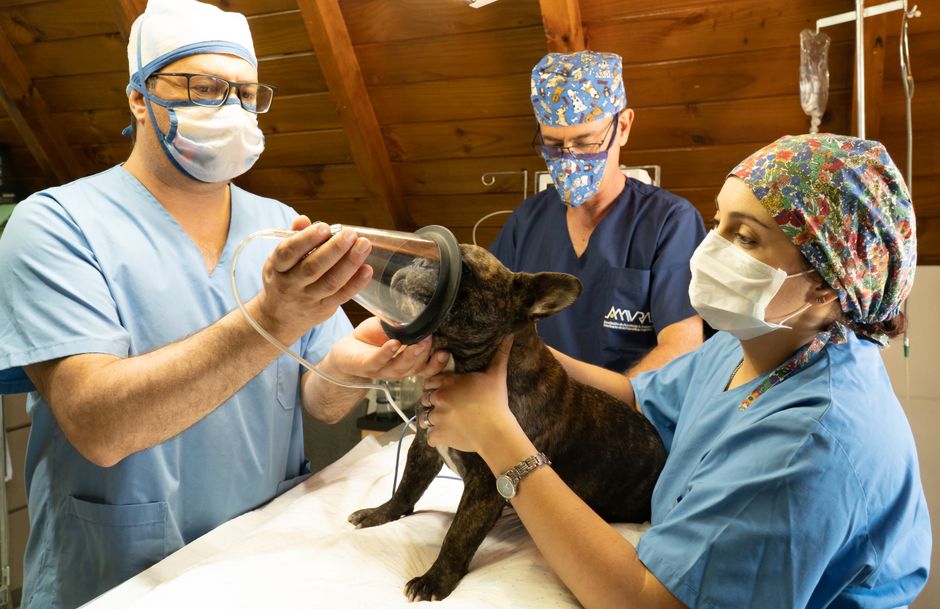
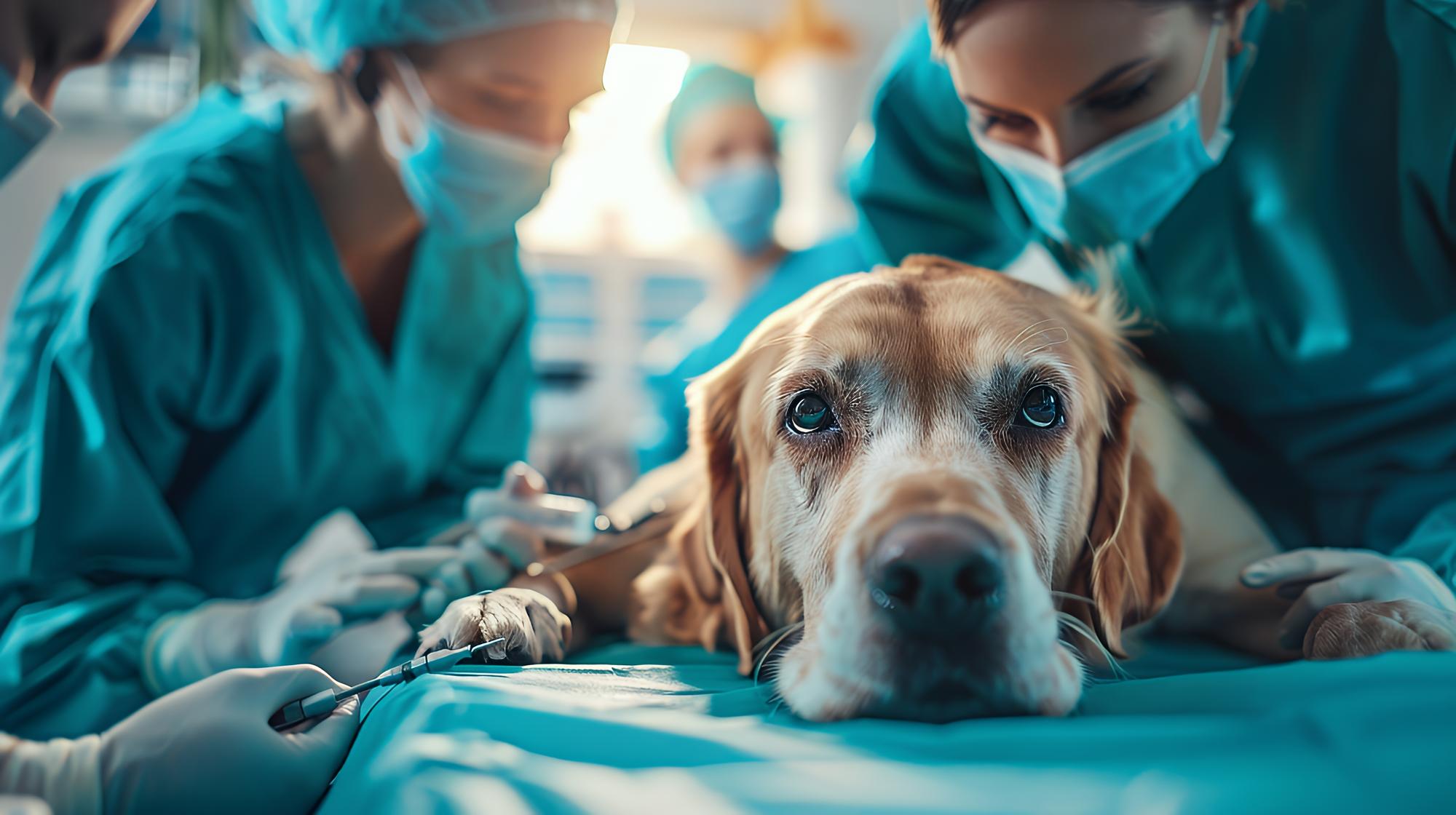
When you bring your dog to Pet Lovers Animal Hospital Long Beach for knee surgery, you can expect a thorough pre-surgical evaluation, advanced diagnostics, and a tailored surgical plan designed for your pet’s needs. The most common dog knee surgery procedures include TPLO, extracapsular repair, and patellar luxation correction. Our veterinary team uses state-of-the-art equipment and proven techniques to ensure the best outcome. On the day of surgery, your dog will be monitored closely under anesthesia. Following the procedure, our veterinarians will discuss the surgery in detail and provide a customized recovery plan. We will explain pain management, activity restrictions, and the follow-up care that is essential for healing. We also offer orthopedic services for complex joint issues, ensuring your dog receives the highest standard of care throughout the recovery process.
How Long Is Recovery from Dog Knee Surgery?
Recovery timelines vary depending on the type of knee surgery performed, your dog’s age, and overall health. Most dogs start bearing weight on the operated leg within a few days, but full recovery and return to normal activity can take 8 to 16 weeks. During this period, regular check-ins with your veterinary team help monitor progress and address any concerns promptly.
Home Care After Dog Knee Surgery: Tips for a Smooth Recovery
Your role in your dog’s recovery is essential, and there are several practical steps you can take to create a safe, comfortable environment at home. First, restrict your dog’s movement by using a crate or a small, quiet room to prevent jumping, running, or climbing stairs. Lay down non-slip rugs or mats to help your dog navigate slippery floors. Make sure your dog has a comfortable bed in an area where they can rest and feel included in family life. Administer all prescribed medications exactly as directed and keep track of dosing schedules. It’s natural for some dogs to feel groggy or have a reduced appetite for the first day or two after surgery, but notify your veterinarian if these symptoms persist. Follow your veterinarian’s instructions for gentle, short leash walks to encourage gradual mobility. Avoid bathing your dog or allowing the incision to get wet until given the all-clear. For dogs that are prone to licking or chewing at stitches, an Elizabethan collar or inflatable recovery collar can help protect the surgical site. Watch for any changes in the incision such as redness, swelling, or discharge, and contact your veterinary team if you notice anything unusual.
Supporting Your Dog’s Mental Wellbeing During Recovery
Recovery can be frustrating for active dogs used to regular walks and playtime. Keep your pet’s mind engaged with safe chew toys, interactive puzzles, or gentle attention. Offer plenty of affection and reassurance to help your dog feel secure during this challenging time. Your patience and consistency will go a long way in supporting their emotional health as well as their physical healing.
When to Seek Veterinary Attention During Recovery
While most dogs recover smoothly from knee surgery, it is important to know when to call your veterinarian. Reach out to your veterinary team if your dog’s incision becomes red, swollen, or starts to bleed, or if you notice persistent limping, difficulty standing, or signs of pain that do not improve with prescribed medication. Other warning signs include refusal to eat or drink, vomiting, lethargy, or any sudden change in behavior. If you are ever unsure whether your dog’s symptoms are normal, it is always better to err on the side of caution and schedule an appointment for a check-up. Our team is here to provide guidance, reassurance, and expert care whenever you need it.
Preventing Future Knee Injuries in Dogs
Once your dog has recovered from knee surgery, there are several steps you can take to reduce the risk of re-injury or problems with the opposite leg. Help your dog maintain a healthy weight to minimize stress on the joints. Regular, controlled exercise supports muscle strength and joint stability without overexertion. Your veterinarian may recommend joint supplements or physical therapy to promote long-term joint health. Always warm up your dog with gentle walks before active play, and avoid activities that involve sudden jumping or twisting, especially during the initial months following surgery. Routine veterinary check-ups allow your veterinary team to monitor your dog’s progress and catch any early signs of joint issues before they become more serious.
Your Partners in Dog Knee Surgery Recovery: Pet Lovers Animal Hospital Long Beach
Helping your dog recover from knee surgery is a team effort, and at Pet Lovers Animal Hospital Long Beach, we are committed to supporting you and your pet every step of the way. Our veterinarians offer individualized recovery plans, compassionate follow-up care, and expert guidance to ensure your dog’s best possible outcome. If you are searching for a "vet near me" who truly understands the needs of Long Beach dogs and their families, our clinic is here for you. Whether your dog requires TPLO surgery, ACL repair surgery, or any orthopedic service, we invite you to schedule an appointment and experience the smart, affordable care our community trusts.
For more information about dog knee surgery recovery, or to schedule a consultation, contact our veterinary team at (562) 349-0000 or visit us at 5211 Atlantic Ave, Long Beach, CA 90805. You can also explore our full range of orthopedic services for dogs in Long Beach and surrounding communities. Your dog’s health and happiness are always our highest priorities.