Dog Knee Surgery: What Long Beach Pet Owners Should Know

Dog Knee Surgery: What Long Beach Pet Owners Should Know
When your dog starts limping or seems reluctant to play, it can be heartbreaking—and worrying. At Pet Lovers Animal Hospital Long Beach, we know how much your dog’s mobility means for both your pet's happiness and your daily life together. For many local families, recognizing the need for dog knee surgery is an unfamiliar and stressful situation. This guide will help you understand when surgery may be necessary, what causes knee injuries in dogs, how our veterinary team supports your pet through every step of the process, and what you can expect during recovery. As a trusted provider of dog knee surgery in Long Beach and surrounding communities, our compassionate and budget-friendly approach ensures you and your pet feel cared for from the first consultation through post-operative care. If you’re concerned about your dog’s mobility or want to learn more about treatment options, our experienced veterinarians are here to answer your questions and support your pet’s journey to better health.
Recognizing When Your Dog Might Need Knee Surgery
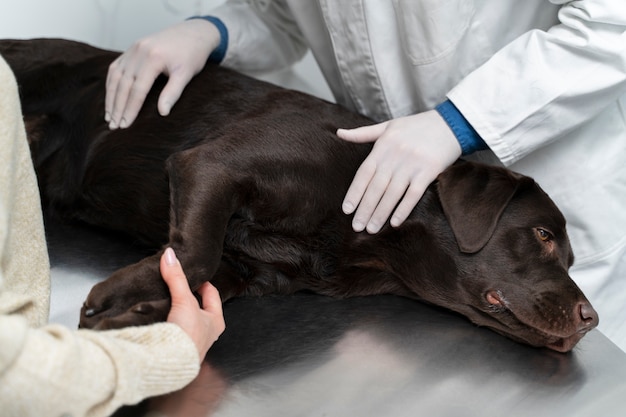
It’s not always easy to tell when your dog’s limp is a minor sprain or something more serious. Key symptoms that may indicate a knee injury requiring surgery include noticeable limping or favoring one leg, difficulty rising from a lying position, audible clicking or popping sounds from the knee, swelling around the joint, and a sudden reluctance to jump, run, or climb stairs. Some dogs may hold the affected leg up entirely or show signs of pain when the area is touched. Additionally, if your dog’s activity level decreases or you notice behavioral changes such as irritability or withdrawal, it’s important to pay close attention. These warning signs often develop gradually, but sometimes an active dog will suddenly yelp during play and start limping immediately. In any case, a persistent limp or obvious discomfort should always prompt a veterinary examination. Our team at Pet Lovers Animal Hospital Long Beach is skilled at distinguishing minor strains from more serious injuries that may require intervention such as TPLO surgery for dog knee injuries.
Understanding Dog Knee Injuries: Causes and Background
Dog knee injuries are frequently seen in active breeds and aging pets alike. The most common cause of lameness requiring dog knee surgery is a torn cranial cruciate ligament (CCL), which works similarly to the ACL in humans. When this ligament is stretched or ruptured, the knee becomes unstable, resulting in pain and difficulty bearing weight. Causes of CCL injuries include sudden twisting movements during play, jumping off furniture, or accidents while running. Overweight pets and certain breeds are at higher risk, as are dogs whose daily routines involve repetitive, strenuous activity.
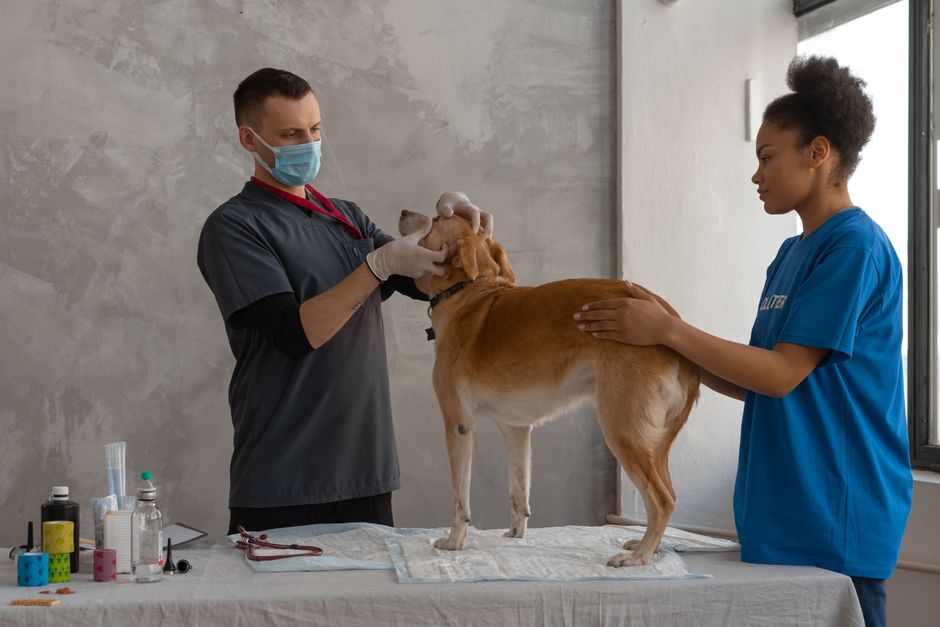
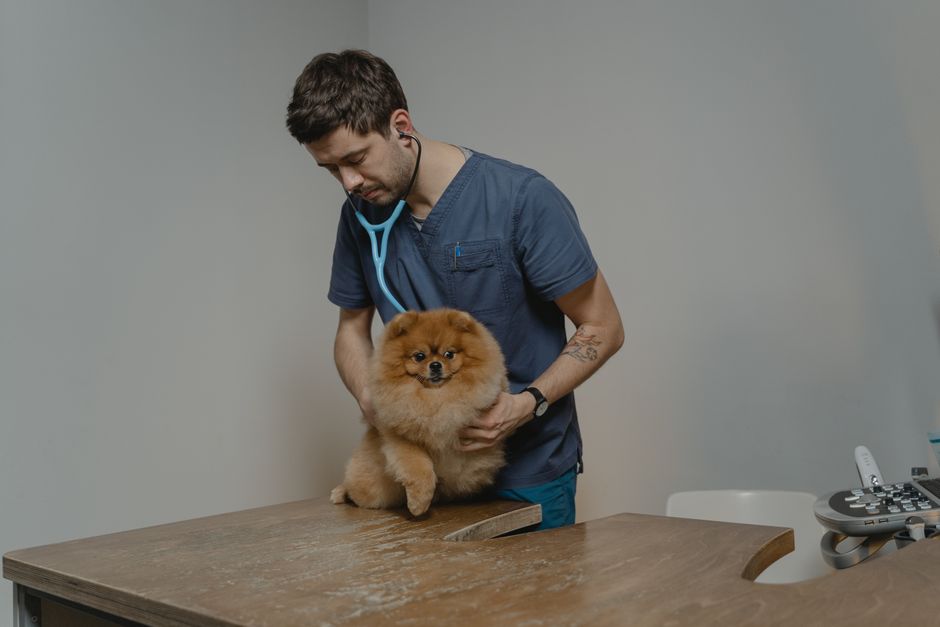
Other knee problems that may require surgical intervention involve the meniscus (a cartilage pad within the joint) or the kneecap, which can occasionally become dislocated. Chronic wear and tear, underlying joint disease such as arthritis, and previous injuries can all contribute to weakening the knee structure over time. In some young dogs, congenital issues or developmental abnormalities may also predispose them to knee instability or joint pain. Understanding the root cause of your dog’s knee problem is essential for choosing the right treatment plan. Our veterinary professionals use a combination of physical examination, advanced imaging, and diagnostic tools to assess each patient’s unique situation and recommend the most appropriate next steps.
Treatment Options: What to Expect From Dog Knee Surgery
If your veterinarian determines that surgery is the best option for your dog’s knee injury, you’ll want to know what’s involved and how the process works. Treatment approaches for dog knee injuries at Pet Lovers Animal Hospital Long Beach are tailored to your dog’s size, age, activity level, and the severity of the injury. Surgical options may include TPLO surgery, which is often recommended for cranial cruciate ligament injuries, as well as procedures to repair meniscal damage or stabilize a dislocated kneecap. For some dogs, knee cap dislocation surgery is necessary to restore normal movement and prevent future injury. Our orthopedic veterinary services encompass a wide range of techniques using advanced equipment to ensure the best possible outcome.
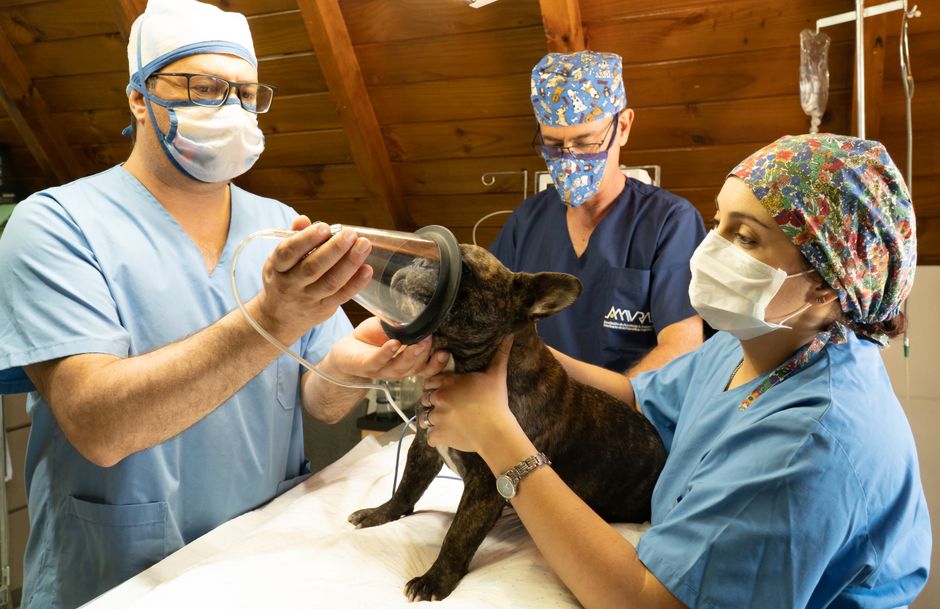
During surgery, our veterinary team will use anesthesia and state-of-the-art monitoring to keep your pet safe and comfortable. After the procedure, most dogs require a period of rest and controlled activity, with specific recommendations regarding exercise, pain management, and physical therapy. You can expect your dog to begin bearing weight on the surgical leg within a few days, although full recovery may take several weeks to months, depending on the procedure and your pet’s individual healing response. Our veterinarians will provide a detailed aftercare plan and schedule follow-up visits to monitor your dog’s progress. We understand that the idea of surgery can be daunting, but our compassionate team will guide you every step of the way, answering your questions and offering resources to support a smooth recovery.
Supporting Your Dog’s Recovery and Preventing Future Injuries
A successful recovery from dog knee surgery relies on careful home management and ongoing communication with your veterinary team. Steps to aid your dog’s rehabilitation include limiting activity as recommended, using prescribed medications for pain relief, and gradually reintroducing gentle exercise under veterinary guidance. Providing a comfortable, non-slip resting area and using ramps instead of stairs can help minimize strain on healing joints. Additionally, weight management plays a crucial role in reducing stress on the knee and lowering the risk of future injury. If your dog is overweight, your veterinarian may suggest a tailored nutrition plan and safe exercise routines.
Enrichment activities such as puzzle feeders, gentle massage, and interactive games that don’t involve jumping or sudden movements can also help keep your dog happy and mentally stimulated during recovery. As your dog regains strength, our team will advise you on when and how to increase activity safely. Preventing future injuries involves maintaining a healthy weight, providing regular exercise appropriate for your dog’s age and breed, and scheduling routine veterinary check-ups to monitor joint health. Our veterinarians are always available to discuss strategies for long-term mobility, including options for pets with chronic joint conditions or previous knee injuries.
When to Seek Veterinary Care for Dog Knee Injuries
Knowing when to seek veterinary attention is key to preventing further damage and ensuring your dog’s comfort. Immediate evaluation is needed if your dog is unable to bear weight on a leg, cries out in pain, or if you notice severe swelling or deformity in the knee area. Additionally, persistent limping that does not improve within a day or two, reluctance to use a limb, or sudden behavioral changes such as hiding or aggression can signal a more serious problem. Dogs with previous knee injuries or chronic joint issues should be monitored closely for any changes in mobility or comfort levels.
Early intervention can significantly improve outcomes and may prevent the need for more invasive treatments down the line. If you’re unsure whether your dog’s symptoms warrant a visit, our veterinary professionals at Pet Lovers Animal Hospital Long Beach are just a phone call away. We encourage pet owners in Long Beach and surrounding communities to reach out as soon as concerns arise, so we can provide guidance and schedule an examination if needed. Prompt diagnosis and treatment can help your pet return to their regular activities with minimal disruption.
Compassionate, Budget-Friendly Care for Dog Knee Surgery in Long Beach
Facing the possibility of dog knee surgery can feel overwhelming, but you don’t have to navigate it alone. At Pet Lovers Animal Hospital Long Beach, our veterinarians combine advanced medical expertise with genuine compassion and clear communication. We are committed to working with you to find the most effective and affordable solutions for your pet’s unique needs. If you’re searching for a “vet near me” who truly understands the importance of your dog’s mobility and quality of life, our clinic is here to help.
To learn more about dog knee surgery, schedule a consultation, or discuss your pet’s symptoms, contact our friendly veterinary team at (562) 349-0000. You’re also welcome to visit us at 5211 Atlantic Ave, Long Beach, CA 90805 for compassionate and comprehensive care. For additional information about orthopedic veterinary services or to explore surgical options, our team is ready to answer your questions and guide you through every step of your dog’s recovery. Your pet’s comfort, safety, and well-being are always our top priorities.
Medical Disclaimer: This article is intended for informational purposes only and should not be considered a substitute for professional veterinary advice, diagnosis, or treatment. Always consult your veterinarian for specific guidance regarding your pet’s health or before making medical decisions.