How to Prepare Your Cat or Dog for Pet Surgery in Long Beach

How to Prepare Your Cat or Dog for Pet Surgery in Long Beach
Facing surgery for your cat or dog can be a stressful experience, both for you and your pet. At Pet Lovers Animal Hospital Long Beach, located at 5211 Atlantic Ave, Long Beach, CA 90805, we understand how important it is to feel informed and supported every step of the way. Whether your pet needs a routine procedure like a spay or neuter, a dental cleaning, or a more complex surgery, proper preparation makes a real difference in their comfort and recovery. In this guide, we’ll walk you through what to expect, practical steps you can take at home, and how our veterinary team partners with Long Beach pet owners to help cats and dogs feel safe before, during, and after surgery. If you have questions about a specific procedure, such as pet oral surgery or TPLO surgery for dogs, our team is always available to help you prepare.
Recognizing When Surgery is Needed for Your Cat or Dog
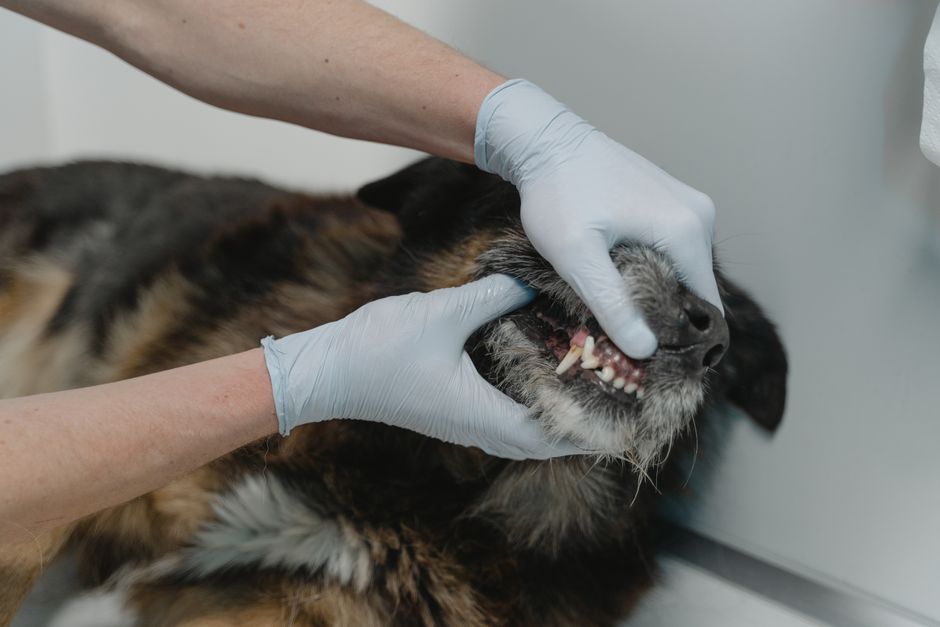
Many pet owners first learn their cat or dog needs surgery during a routine wellness examination or after a sudden health issue arises. Some common reasons for surgery include spaying or neutering, dental problems like broken teeth or gum disease, orthopedic conditions such as torn ligaments or hip issues, removal of growths or tumors, or emergencies such as blockages or injuries. Signs that your pet may need surgical evaluation include persistent limping, difficulty eating, unexplained lumps or bumps, ongoing vomiting or diarrhea, or changes in energy and behavior. For dental concerns, you might notice bad breath, drooling, or pawing at the mouth. If your veterinarian has recommended a procedure, understanding the underlying need helps you approach the process with confidence.
Why Pet Surgeries Happen: Common Causes and Conditions
Cats and dogs may require surgery for a variety of reasons. Preventive surgeries, like spay and neuter services, help control pet populations and reduce the risk of certain cancers. Dental procedures are often needed when pets develop tartar buildup, fractured teeth, or oral infections that can’t be managed with routine cleaning alone. Orthopedic surgeries, such as ACL repair and hip dysplasia surgery, are typically necessary when injuries or inherited joint issues cause pain or impact mobility. Mass removals, internal surgeries, and emergency procedures also address serious health threats that can’t be resolved with medication alone. Early intervention and thorough diagnostics allow your veterinarian to recommend surgery only when it is truly in your pet’s best interest.
What to Expect: The Surgical Process at Pet Lovers Animal Hospital Long Beach
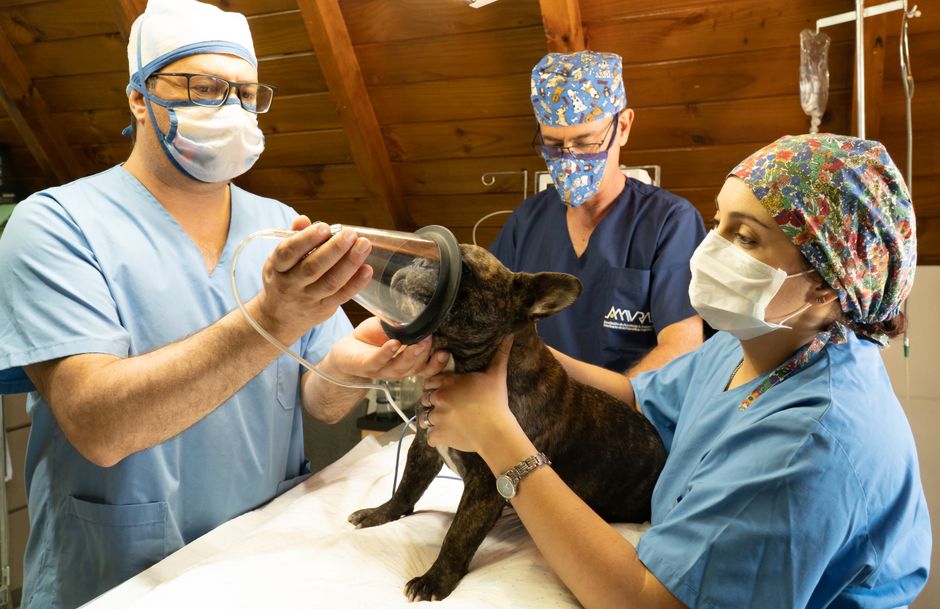
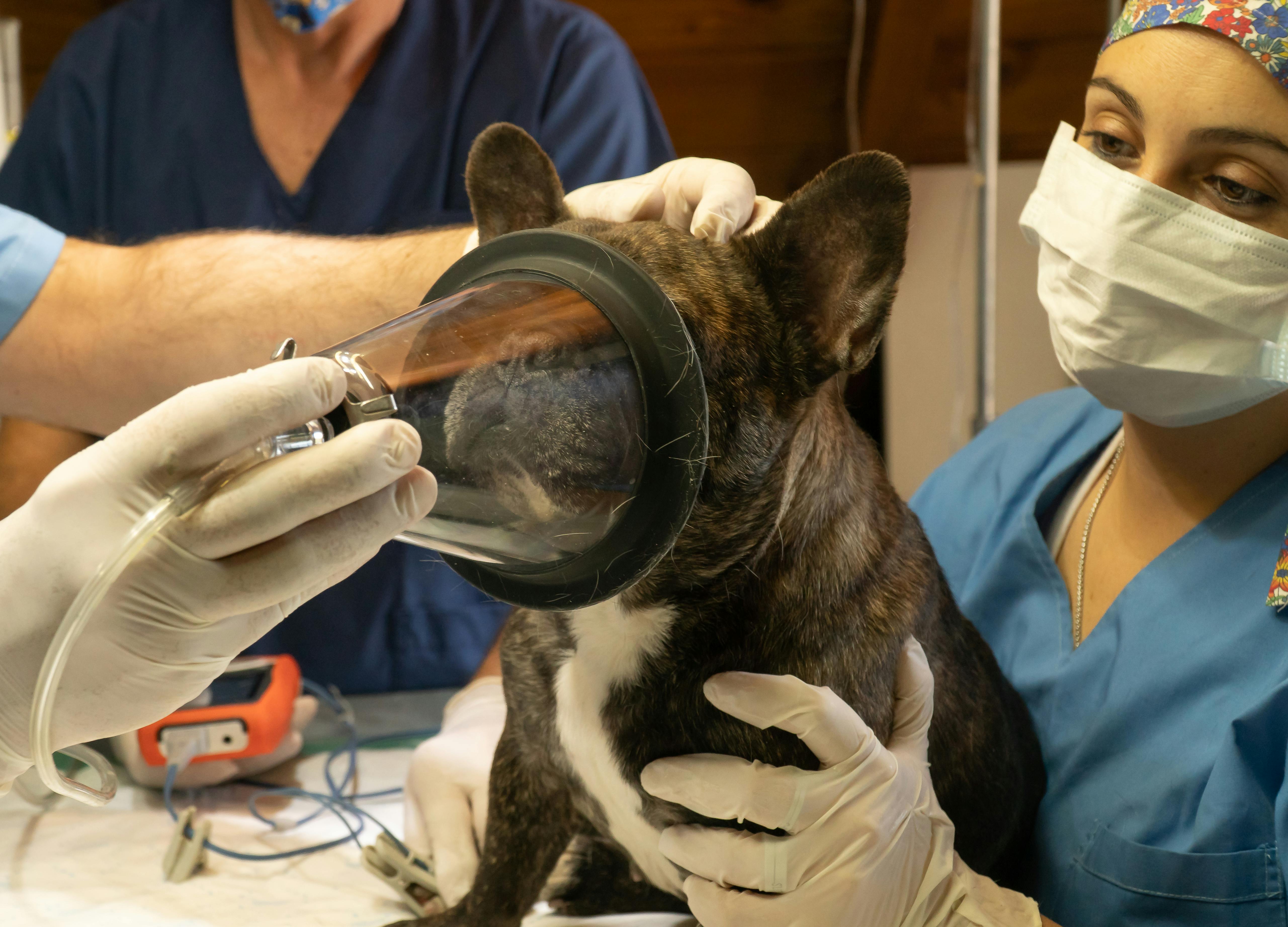
When your pet is scheduled for surgery, our veterinary team will guide you through each step. Most procedures begin with a pre-surgical examination and bloodwork to ensure your cat or dog is healthy enough for anesthesia. You’ll receive detailed instructions on when to withhold food or water before the procedure. On the day of surgery, pets are typically admitted in the morning and will be monitored closely throughout their stay. Our veterinarians use advanced monitoring equipment and pain management protocols to keep your pet comfortable and safe.
For dental procedures, such as pet dental cleanings or tooth extractions, anesthesia ensures a thorough and pain-free experience. Orthopedic and soft tissue surgeries require specialized skills and may include advanced imaging or post-operative care. After surgery, we’ll update you on your pet’s condition and provide instructions for home care, including medications, activity restrictions, and when to return for a follow-up visit.
Preparing Your Pet at Home: Steps for a Smooth Surgical Experience
Preparation at home is just as important as the surgical procedure itself. The night before surgery, you’ll usually be asked to remove food after a certain hour to reduce the risk of complications with anesthesia. Water may also need to be withheld a few hours before your scheduled arrival. Ensuring your cat or dog is kept calm, with access to their favorite bed or quiet space, helps minimize stress. If your pet is nervous about car rides or visiting the clinic, practicing with short, positive trips beforehand can make a difference.
On the morning of surgery, keep your routine as normal as possible. Bring your pet in a secure carrier or on a leash, and let our team know about any recent changes in their health or behavior. For pets taking daily medications, ask in advance whether they should be given the morning of surgery. If your pet has special needs, such as anxiety around other animals or medical concerns, let us know so we can tailor their care.
Home Care Before and After Surgery: Supporting Recovery
A comfortable and quiet recovery area is essential for your pet’s well-being after surgery. Before bringing your cat or dog home, set up a space away from other animals and household commotion. Prepare soft bedding, ensure access to fresh water, and remove objects that could cause injury or interfere with healing. Once your pet is home, follow all post-surgical instructions carefully. These may include administering pain medication, monitoring the incision site for swelling or redness, and restricting activity to prevent jumping or running. Use an Elizabethan collar (cone) if recommended, and don’t hesitate to contact our veterinary team if you notice anything unusual.
For dental procedures, encourage gentle eating with soft food if your veterinarian advises it. If your pet is recovering from an orthopedic surgery, such as ACL repair, be prepared to assist with mobility and follow any prescribed rehabilitation exercises. Keeping scheduled follow-up appointments is vital for monitoring progress and removing sutures if necessary.
When to Contact Your Veterinarian: Signs That Need Immediate Attention
While most pets recover smoothly from surgery, it’s important to watch for signs that require prompt veterinary care. Warning signs include persistent vomiting or diarrhea, trouble breathing, excessive swelling or bleeding at the incision site, refusal to eat or drink, or sudden changes in behavior such as lethargy or unresponsiveness. If your cat or dog seems to be in significant pain that is not controlled by prescribed medication, or if you notice any unusual symptoms, call our veterinary team right away. Our priority is your pet’s safety and comfort, and we are here to answer your questions throughout the recovery process.
If your pet experiences an emergency after surgery, such as difficulty breathing or collapse, seek immediate emergency veterinary care. Fast action can make all the difference in the outcome and peace of mind for your family.
Preparing for the Road Ahead: Compassionate Surgical Care in Long Beach
Surgery can feel overwhelming, but with thoughtful preparation and a supportive veterinary team, your cat or dog is in good hands. At Pet Lovers Animal Hospital Long Beach, our veterinarians are dedicated to providing budget-friendly, compassionate care before, during, and after your pet’s procedure. We believe in clear communication, gentle handling, and tailored treatment plans for each patient we serve. Whether you’re coming from Long Beach or a nearby community, our goal is to make your pet’s surgical experience as stress-free as possible.
If you are searching for a vet near me who prioritizes both advanced medical care and your pet’s emotional well-being, look no further than our team. To schedule a surgical consultation, ask questions about an upcoming procedure, or learn more about our wellness examination services, call us at (562) 349-0000 or visit us at 5211 Atlantic Ave, Long Beach, CA 90805. Our veterinary professionals are here to guide you and your pet every step of the way.
This article provides general advice and is not a substitute for professional veterinary care. Always consult your veterinarian for guidance on your pet’s specific needs and circumstances.