Recognizing Skin Allergies in Cats and Dogs: May Pet Care Guide


Recognizing Skin Allergies in Cats and Dogs: May Pet Care Guide
Spring in Long Beach brings beautiful weather and fresh blooms, but it can also mean itchy days for your cat or dog. If your pet has started scratching, licking, or losing fur, you are not alone; skin allergies are a frequent reason for veterinary visits this season. At Pet Lovers Animal Hospital Long Beach, we know how distressing it can be to watch your pet struggle with skin discomfort, and we are committed to providing both compassionate and budget-friendly care to restore your pet’s comfort. In this May pet care guide, we will help you recognize the signs of skin allergies in cats and dogs, explain the most common causes, and share how targeted veterinary care can make a real difference. You will also find practical tips for managing allergies at home, along with clear guidance on when to book an appointment with our team. Our full-service clinic at 5211 Atlantic Ave, Long Beach, CA 90805 is here to support cats and dogs from Long Beach and nearby communities throughout allergy season and beyond.
Spotting Skin Allergies in Your Cat or Dog
It is easy to mistake occasional scratching for normal behavior, but persistent itching or skin changes can be a red flag for allergies. Key symptoms of skin allergies in pets include frequent scratching, licking, or chewing at the paws, face, or base of the tail. You might notice red, irritated skin, scabs, or hair loss in affected areas. Cats often develop small, crusty bumps or begin to overgroom, leading to bald spots, while dogs may shake their heads, rub their bodies on furniture, or develop recurrent ear infections. Other signs to watch for are inflamed ears, foul skin odor, and patches where the fur is thinning or missing altogether.
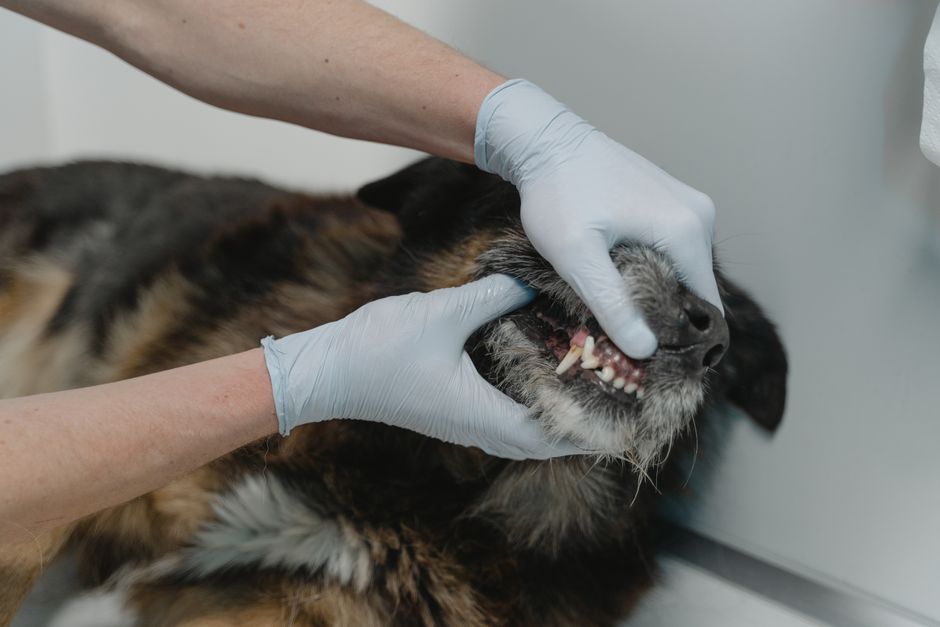
If you spot these changes, especially if your pet seems uncomfortable or restless, it is time to take their symptoms seriously. In many cases, early intervention can prevent secondary skin infections and help your pet feel better faster. Our veterinary team can perform a thorough examination to determine if allergies are at the root of the problem or if another skin condition may be responsible.
Understanding the Causes of Skin Allergies
Skin allergies in cats and dogs can be triggered by a range of environmental and internal factors. The most common culprits are flea allergies, environmental allergens, and food sensitivities. Flea allergy dermatitis is particularly common in our coastal climate, where warm weather allows fleas to thrive nearly year-round. Just a single flea bite can trigger severe itching in a sensitive pet.
Environmental allergens include pollen from trees, grasses, and weeds, as well as dust mites and mold spores. These allergens can settle on your pet’s skin or be inhaled, setting off an allergic reaction. Pets may also react to chemicals in household cleaners, certain fabrics, or even their shampoo.
Food allergies tend to develop over time and often cause itching along with digestive issues. Common ingredients that can provoke an allergic response include beef, chicken, dairy, wheat, or fish. In some cases, a pet may have more than one type of allergy, which can make pinpointing the cause more challenging.
Our veterinarians at Pet Lovers Animal Hospital Long Beach use a combination of medical history, physical examination, and advanced diagnostics to determine the underlying cause of your pet’s skin issues. For pets with persistent symptoms, specialized allergy testing can provide valuable answers and help guide the most effective treatment plan.
Professional Treatment and Management at Pet Lovers Animal Hospital
Once we have identified the source of your pet’s skin allergies, our team will recommend a comprehensive treatment plan tailored to your pet’s needs and your budget. Treatment approaches involve addressing the root cause, relieving discomfort, and preventing complications. For flea-driven allergies, year-round prevention is critical; our clinic offers a range of safe, effective flea and tick prevention products to protect your pet and reduce future flare-ups.
Environmental allergies can be managed through a combination of medicated shampoos, topical therapies, oral medications, and, in some cases, immunotherapy. If your pet is diagnosed with a food allergy, we will guide you through a dietary elimination process to find a hypoallergenic food that works. Our on-site dermatology services allow us to monitor your pet’s progress and adjust treatment as needed.
For pets with severe or persistent symptoms, our in-house diagnostic laboratory helps us quickly identify secondary infections or other underlying issues. In certain cases, priority veterinary visits can be arranged for pets in urgent need of relief. Our compassionate approach means we will always discuss treatment options with you and prioritize your pet’s comfort and long-term health.
Steps You Can Take at Home to Prevent and Manage Allergies
While professional care is essential for diagnosing and treating skin allergies, there are important steps you can take at home to support your pet’s skin health. Regularly washing your pet’s bedding and vacuuming your home can minimize exposure to dust and pollen. Bathing your pet with a veterinarian-approved shampoo can help soothe irritated skin and remove allergens; our team can recommend products that are safe for your cat or dog’s specific needs. Keeping up with flea prevention year-round is vital, especially in our warm Long Beach climate.
If your pet has been diagnosed with food allergies, be diligent about reading ingredient labels and avoiding treats or table scraps that could trigger a reaction. For pets with environmental allergies, wiping their paws and coat after outdoor walks can reduce allergen exposure. Providing a balanced diet and addressing any underlying health concerns will also help your pet’s skin barrier stay healthy.
Should you notice an uptick in symptoms after certain activities, seasons, or exposures, take note and share this information with your veterinarian. Your observations can help us fine-tune your pet’s allergy management plan for the best results.
When to Schedule a Veterinary Visit for Skin Allergies
Knowing when to seek veterinary care can make all the difference in your pet’s recovery. If your cat or dog is experiencing persistent itching, hair loss, skin redness, or sores that do not heal, it is time to schedule an appointment. Additional warning signs include frequent head shaking, recurrent ear infections, or any sign of pain or distress. In rare cases, severe allergic reactions—such as sudden facial swelling, difficulty breathing, or collapse—require immediate emergency care, and you should contact us right away.
Our veterinary team at Pet Lovers Animal Hospital Long Beach is equipped to handle everything from routine skin concerns to urgent allergic reactions. We encourage you to reach out if you are unsure whether your pet’s symptoms warrant a visit; early intervention can prevent complications and help your pet get back to feeling their best. You can also learn more about our emergency care services for pets with severe allergic reactions if your pet ever experiences a sudden or life-threatening allergy episode.
Compassionate, Budget-Friendly Allergy Care at Pet Lovers Animal Hospital Long Beach
At Pet Lovers Animal Hospital Long Beach, we believe that every pet deserves relief from the discomfort of skin allergies. Our team of veterinarians is dedicated to providing thorough, compassionate care for cats and dogs throughout Long Beach and surrounding communities. From advanced allergy testing to ongoing dermatology support, we are here to help you understand your pet’s unique needs and find solutions that fit your budget.
If you have been searching for a vet near me who understands the challenges of seasonal and year-round allergies, look no further. Schedule an appointment with our friendly team today by calling (562) 349-0000 or visiting us at 5211 Atlantic Ave, Long Beach, CA 90805. Together, we can restore your pet’s comfort and happiness this spring and all year long.
This blog is intended for informational purposes only and should not be used as a substitute for professional veterinary advice. Always consult your veterinarian for concerns about your pet’s health or before starting any new treatment or prevention plan.