How to Keep Your Cat Calm This Halloween

How to Keep Your Cat Calm This Halloween
Halloween is a time of excitement, costumes, and treats, but for many cats, it can be a source of stress and anxiety. Strange noises, unfamiliar visitors, and festive decorations can unsettle even the most confident feline. If you are concerned about how your cat will handle the Halloween festivities, you are not alone. At Pet Lovers Animal Hospital Long Beach, we see many pet owners in Long Beach and surrounding communities wanting to safeguard their cat's wellbeing during this busy holiday. In this blog, we will guide you through recognizing signs of stress, understanding why cats become anxious at Halloween, practical ways to keep your cat calm, and knowing when it is time to seek veterinary help. Our veterinary team is here to support you and your cat every step of the way, ensuring a safe and enjoyable Halloween for all.
Recognizing Signs of Halloween Stress in Cats
Cats are creatures of habit, and any disruption to their environment can cause anxiety. During Halloween, you may notice changes in your cat’s behavior that signal stress. Common signs include hiding more than usual, becoming unusually vocal, or showing less interest in food and play. You might see your cat pacing, trying to escape, or grooming excessively. Some cats may even act out by urinating outside the litter box, which can be a clear sign of emotional distress.
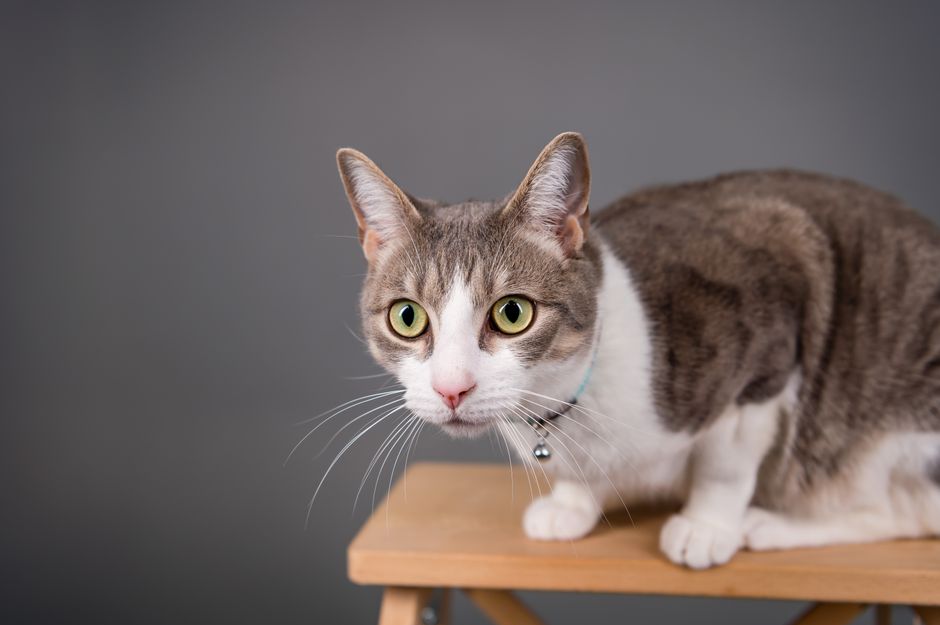
Additionally, your cat may startle easily with every ring of the doorbell or sound of footsteps outside. Other signs to watch for are dilated pupils, flattened ears, and a tucked tail. Paying close attention to these behaviors is important because early intervention can prevent your cat’s anxiety from escalating.
Why Halloween Is Stressful for Cats
The Halloween season brings a whirlwind of new sights, sounds, and smells into your home. Doorbells ring frequently as trick-or-treaters come and go, and the parade of costumes can be confusing—even frightening—for cats who are not accustomed to strangers or unusual appearances. Decorations, flashing lights, and spooky noises add to the sensory overload.
For some cats, the presence of costumes or masks can make people seem like strangers, triggering a natural instinct to hide or become defensive. The constant opening and closing of doors not only disrupts your cat’s routine but also increases the risk of accidental escapes. Scented candles, chocolate, and other holiday treats can introduce unfamiliar odors or even toxic risks.
Cats are highly sensitive to environmental changes. Even rearranging furniture to accommodate decorations or guests can create anxiety. In Long Beach, where homes may be close together and neighborhoods are lively during Halloween, the noise level can be particularly intense. Understanding why your cat feels anxious helps you prepare for Halloween in a way that prioritizes your feline friend's comfort.
How to Keep Your Cat Calm on Halloween Night
You can take several steps to help your cat feel secure and relaxed during Halloween. Start by setting up a quiet, comfortable space in your home away from the front door and heavy foot traffic. This could be a spare bedroom or a cozy corner with your cat’s favorite bedding, toys, litter box, and water bowl. Creating a familiar sanctuary allows your cat to retreat when the festivities become overwhelming.
Consider playing soft music or running a white-noise machine in your cat’s safe room to mask loud noises from outside. Keeping windows and curtains closed can further reduce exposure to flashing lights or startling sounds. Offering interactive toys or treats can help distract your cat and provide positive stimulation.
If your cat is particularly skittish, pheromone diffusers or sprays designed to promote calmness can be helpful. These products mimic the natural calming pheromones that cats produce and are available at most pet stores. However, it is best to introduce any new products several days before the holiday to give your cat time to adjust.
Be mindful of visitors and decorations. Remind guests and family members not to chase or pick up your cat, and ensure that costume accessories or small decorations are kept out of reach. Supervise children around your cat, especially if they are wearing costumes that may frighten or confuse your feline.
Keeping Cats Safe from Halloween Hazards
Beyond stress, Halloween presents a variety of hazards for cats. Chocolate, candy, and certain decorations can be toxic or dangerous if ingested. Make sure all treats and wrappers are stored securely, and avoid leaving lit candles or string lights where your cat can reach them. Some cats are curious about jack-o'-lanterns or dangling decorations, which can pose fire or choking risks.
Open doors increase the risk of your cat slipping outside unnoticed. To prevent escapes, double-check that windows and doors are secure, and consider using a collar with an ID tag or a microchip if your cat is not already microchipped. If your cat is curious about the door, keep them confined to their safe space before the first trick-or-treater arrives.
If you suspect your cat has ingested something dangerous, such as chocolate or human medications, seek immediate veterinary attention. You can find more information about potential human medication poisoning in cats on our website, as well as guidance on what to do if your cat stops eating.
When to Seek Veterinary Help for Halloween-Related Stress
While many cats will recover quickly from Halloween excitement, some may experience more severe or lingering anxiety. If your cat refuses to eat or drink, becomes lethargic, or shows sudden changes in behavior that last beyond the holiday, it may be time to schedule a veterinary appointment. Persistent hiding, aggressive behavior, or accidents outside the litter box can signal underlying medical issues as well as stress.
Cats that exhibit shaking, tremors, or signs of distress such as vomiting or diarrhea should also be evaluated by your veterinary team. For more details on when to seek veterinary care for sudden changes in your cat, our resource on lethargy in cats can be a helpful reference.
If you ever feel unsure whether your cat’s reaction is normal or if a health issue may be involved, don’t hesitate to reach out. Our veterinarians at Pet Lovers Animal Hospital Long Beach are here to provide guidance and support, whether you have questions about anxiety, toxic exposures, or unusual symptoms.
Practical Tips for a Stress-Free Halloween With Your Cat
Proactive steps can make Halloween a positive experience for both you and your cat. Begin by acclimating your cat to any changes in the home environment in the days leading up to the holiday. Introduce new decorations gradually and let your cat investigate them at their own pace. Stick to your cat’s usual feeding and play routines as much as possible; familiar patterns provide comfort.
Reward calm behavior with treats or gentle affection, and keep your own demeanor relaxed. Cats are highly attuned to their owners’ emotions and will take cues from your behavior. If you need to leave your cat alone on Halloween night, ensure their safe room is set up with everything they need, and check in as soon as possible.
If you have concerns about your cat’s health or behavior during Halloween, our veterinary team can offer advice tailored to your pet’s specific needs. We provide a full range of general veterinary services, including behavioral consultations, preventive care, and emergency support, so you and your cat have a trusted resource year-round.
Trust Pet Lovers Animal Hospital Long Beach for Your Cat’s Wellbeing
Halloween can be a wonderful celebration, but it is important to remember that the festivities may be overwhelming for your feline friend. By preparing in advance, creating a safe retreat, and understanding your cat’s behavioral cues, you can help keep your cat calm and happy this October.
If you notice signs of stress, unusual symptoms, or have any concerns about your cat’s health, our team of veterinarians at Pet Lovers Animal Hospital Long Beach is ready to help. We encourage you to schedule an appointment or call us with any questions about your cat’s wellbeing during the holiday season. When searching for a veterinarian near me who truly understands feline needs, our clinic stands out for compassionate, budget-friendly care.
Reach out to us at (562) 349-0000 or visit our location at 5211 Atlantic Ave, Long Beach, CA 90805 to schedule your cat’s appointment. You can also explore our resources on emergency veterinary care if urgent issues arise. From routine checkups to holiday safety, Pet Lovers Animal Hospital Long Beach is committed to keeping your cat healthy, safe, and relaxed all year long.