September Pet Allergies: Helping Your Dog or Cat in Long Beach


September Pet Allergies: Helping Your Dog or Cat in Long Beach
As September arrives in Long Beach, many pet owners notice their dogs or cats developing uncomfortable symptoms like itchy skin, sneezing, or excessive paw licking. If you have seen your pet scratching more than usual, rubbing their face on the carpet, or dealing with watery eyes, you are not alone. Seasonal allergies, especially during the warm, dry fall transition, are a common challenge for pets living in Southern California’s unique coastal climate. At Pet Lovers Animal Hospital Long Beach, our veterinary team is dedicated to helping families in Long Beach and surrounding communities navigate these seasonal struggles with expert advice and compassionate care. In this guide, we will help you recognize allergy symptoms in your pet, explain why allergies are so prevalent in September, and share practical steps you can take to keep your pet comfortable all season. If your pet seems especially itchy or uncomfortable, our veterinarians are here to offer comprehensive dermatology services and personalized support.
Recognizing Allergy Symptoms in Dogs and Cats
It can be hard to tell the difference between normal scratching and a sign that something more serious is going on. Allergies in pets can show up in a variety of ways, and the symptoms often vary from one animal to another. Key signs of allergies include persistent scratching, licking or chewing at the paws, red or irritated skin, frequent ear infections, sneezing, watery eyes, and hair loss in severe cases. Some pets may develop hot spots or areas of baldness from constant licking or biting. In dogs, you might notice scooting or licking under the tail, while cats may overgroom to the point of creating thin patches in their coats.
If your dog is constantly itching or sneezing, it is important to distinguish between occasional discomfort and symptoms that might require medical attention. For further insight into when to be concerned, you can review specific guidance on when to see a veterinarian for a dog with itchy skin and when to seek care for a sneezing dog. Cat owners can also find detailed information about when to see a veterinarian for a cat with itching or when to seek veterinary care for a sneezing cat.
Paying attention to the frequency and severity of these symptoms is important. Occasional scratching or sneezing is normal, but when these behaviors become persistent or interfere with daily life, allergies may be to blame.
Why Do Pets in Long Beach Get Allergies in September?
Long Beach’s climate plays a big role in the rise of pet allergies during September. As the summer heat lingers and rainfall remains low, pollen counts from late-blooming grasses, weeds, and trees stay high. Plants like ragweed, sagebrush, and Bermuda grass are common culprits, releasing pollen into the air well into the fall. Additionally, dry, windy conditions stir up dust and mold spores, which can irritate sensitive noses and skin.
In urban environments like Long Beach, pets are also exposed to environmental pollutants such as car exhaust, lawn chemicals, and even household cleaning products. These irritants can make allergy symptoms worse or trigger new flare-ups, especially in pets with already sensitive skin or respiratory tracts.
Indoor pets are not entirely safe from seasonal allergens either. Pollen and dust can be tracked indoors on shoes, clothing, or even through open windows. Air conditioning and heating systems can circulate allergens throughout the home, making it difficult for sensitive pets to escape exposure. Knowing what triggers your pet’s allergies can help you take targeted steps to manage their environment more effectively.
How Our Veterinary Team Diagnoses and Treats Pet Allergies
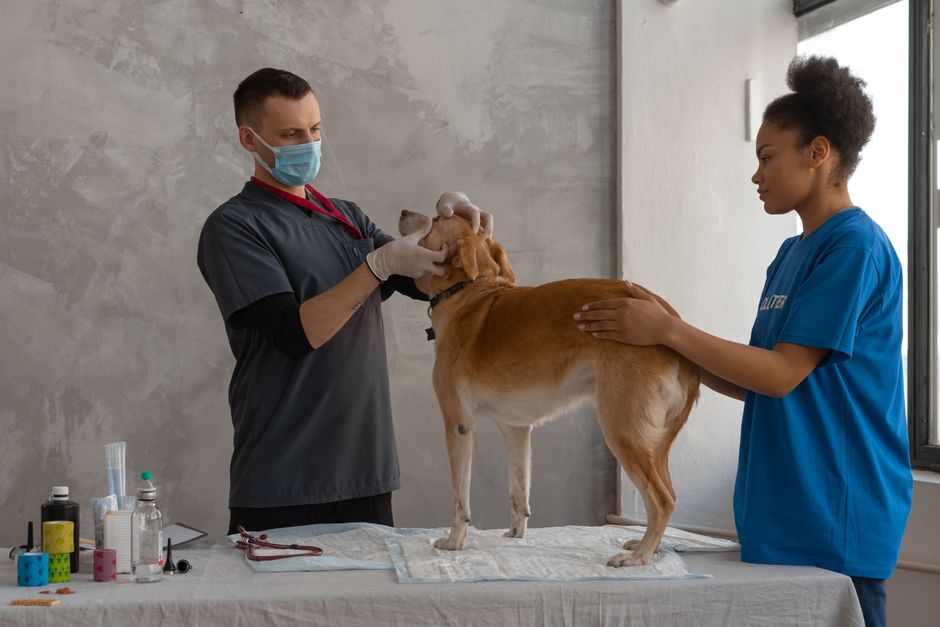
If your pet is exhibiting allergy symptoms that do not improve with basic home care, a visit to Pet Lovers Animal Hospital Long Beach can help you get to the root of the problem and find relief for your dog or cat. Our veterinarians use a combination of a thorough physical examination, a detailed history of your pet’s symptoms and environment, and, when necessary, diagnostic tests to determine the specific cause of your pet’s discomfort.
One of the most effective tools for pinpointing the source of allergies is professional allergy testing. This can identify whether your pet is reacting to environmental factors like pollen or dust, or if they are dealing with food-related allergies. For pets with skin symptoms, our dermatology services include advanced diagnostics such as skin scrapings, cytology, and fungal cultures to rule out secondary infections that may complicate the situation.
Treatment options depend on the severity and cause of the allergy. For mild cases, our veterinarians may recommend medicated shampoos, topical treatments, or antihistamines that are safe for pets. More severe or chronic cases may require prescription medications, immunotherapy (allergy shots), or dietary changes. If your pet develops secondary skin infections, antibiotics or antifungal medications may also be necessary. We always tailor our treatment plans to your pet’s specific needs, and our team is experienced in finding budget-friendly solutions that deliver effective results.
What Can Pet Owners Do at Home to Help Their Allergic Pets?
While professional veterinary care is often needed for moderate or severe allergies, there are several steps you can take at home to help keep your pet comfortable. Regular bathing with a gentle, pet-safe shampoo can remove pollen and dust from your pet’s skin and coat. Wiping your pet’s paws and face after outdoor walks can reduce their exposure to allergens. Vacuuming carpets and washing bedding frequently will help minimize indoor allergens like dust mites.
Using air purifiers or keeping windows closed during high-pollen days can further reduce airborne irritants in your home. For pets with known food allergies, sticking to a veterinarian-approved diet is key. Additionally, consistent flea and tick prevention is essential, as flea bites can trigger or worsen allergic reactions in both dogs and cats.
Monitoring your pet’s behavior and skin condition is also important. If you notice a sudden increase in scratching, licking, or sneezing, it may be time to re-evaluate your pet’s environment or consult with your veterinarian for further advice.
When Should You Schedule a Veterinary Visit for Allergies?
Knowing when to seek professional help can be the difference between a temporary inconvenience and a chronic health issue for your pet. You should schedule an appointment with our veterinary team if your pet’s symptoms persist for more than a week, worsen despite home care, or interfere with their daily activities. Other warning signs include open sores, bleeding, hair loss, or repeated ear infections. If your pet develops difficulty breathing, swelling of the face or muzzle, or severe lethargy, these may indicate a more serious allergic reaction and require immediate veterinary attention.
Routine pet examinations are also an excellent way to catch early signs of allergies and address them before they escalate. Our veterinarians can offer guidance on prevention, recommend safe over-the-counter remedies when appropriate, and help you create a comprehensive allergy management plan tailored to your pet’s needs.
If you are searching for a "vet near me" in Long Beach with experience in diagnosing and managing pet allergies, look no further. Our compassionate team is here to support you and your pet every step of the way.
Helping Your Dog or Cat Breathe Easy This September
September allergies can be a source of frustration for both pets and their owners, but with the right knowledge and veterinary support, your dog or cat can enjoy a comfortable, happy fall season. Recognizing the signs of allergies, understanding the unique environmental triggers in Long Beach, and taking proactive steps at home will go a long way toward keeping your pet healthy.
If you are concerned about itchy skin, sneezing, or any other allergy symptoms in your dog or cat, do not wait for the problem to get worse. Schedule a dermatology consultation or comprehensive pet exam with our experienced team at Pet Lovers Animal Hospital Long Beach. You can find us at 5211 Atlantic Ave, Long Beach, CA 90805, or call (562) 349-0000 to schedule your appointment. Our veterinary professionals are committed to providing smart, compassionate care that fits your family’s budget and keeps your pets feeling their best all year long. If you need a veterinarian near me who truly understands seasonal allergies in Long Beach, we are ready to help your furry friend find relief.