Summer Dental Care Tips for Dogs and Cats

Summer Dental Care Tips for Dogs and Cats
As summer temperatures climb in Long Beach, many pet owners find themselves worrying about more than just keeping their pets cool and hydrated. Did you know that the hot, dry weather can also impact your dog’s or cat’s dental health? At Pet Lovers Animal Hospital Long Beach, we understand how easy it is for dental issues to sneak up during the busy summer months. Whether you’re spending more time outdoors with your dog, or your cat is lounging in sunbeams, oral health often gets overlooked until problems arise. This blog will help you recognize warning signs of dental trouble, understand what causes summer dental issues, explore treatment options, and learn effective home care strategies. Our team of veterinarians at 5211 Atlantic Ave, Long Beach, CA 90805 is here to partner with you for a healthier, happier pet all season long.
Recognizing Dental Problems in Dogs and Cats During Summer
When it comes to your pet’s health, early detection is the key to preventing more serious problems. Summer can bring unique challenges that may increase the risk of dental disease in both dogs and cats. Elevated temperatures can lead to pets drinking less water, potentially resulting in a dry mouth that allows bacteria to thrive. Additionally, treats and chews that are popular in summer, such as ice cream for dogs or hard toys, can sometimes contribute to dental wear or even fractures.
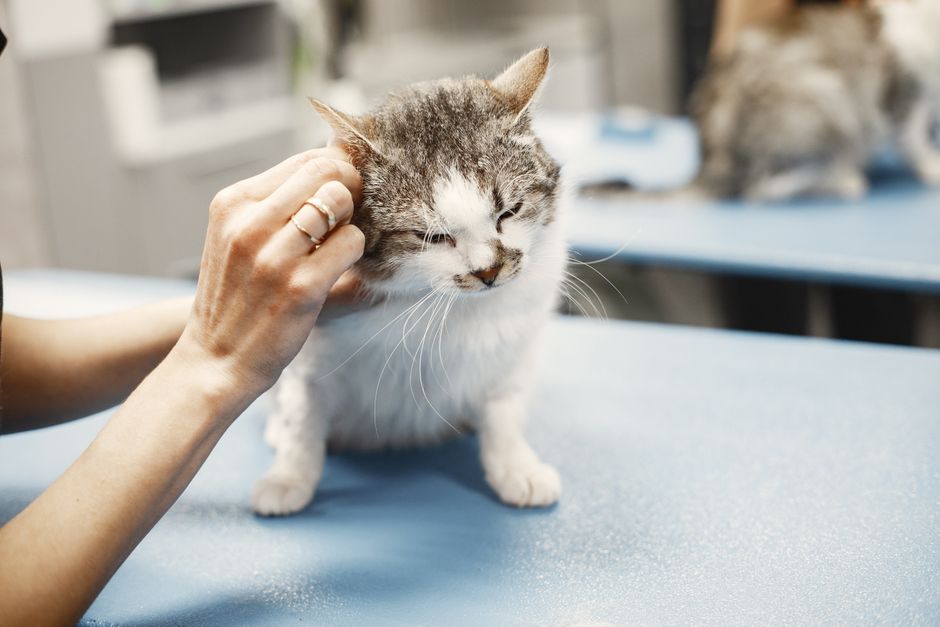
Key symptoms that suggest dental trouble include persistent bad breath, visible tartar buildup, red or swollen gums, reluctance to eat hard food, drooling, pawing at the mouth, and changes in behavior such as hiding or vocalizing when eating. Sometimes you might notice your dog or cat dropping food from their mouth or favoring one side while chewing. These subtle signs can indicate discomfort or pain, especially when paired with decreased appetite. If you notice any of these symptoms, it’s important to address them promptly.
For pet owners who want to understand more about why their dog’s or cat’s breath smells unpleasant, our veterinary team has put together helpful guides on bad breath in dogs and bad breath in cats. These resources can help you determine when it’s time to seek veterinary advice.
Why Summer Weather Affects Your Pet’s Dental Health
Long Beach’s summer climate brings not only sunny days but also dry air and increased outdoor activity. Pets may become dehydrated more quickly, and a dry mouth creates the perfect environment for plaque-forming bacteria to multiply. Additionally, seasonal treats and changes in routine can disrupt your pet’s dental hygiene. For example, giving your dog frozen treats or hard chews may seem harmless, but they can occasionally lead to cracked teeth or gum injury.
Cats may also experience changes in their eating habits during hot weather, sometimes consuming less food or water. Reduced saliva flow and altered diets can allow tartar and plaque to accumulate more rapidly. If your pet spends more time outside, they may also be exposed to items that can harm their teeth, such as sticks, rocks, or discarded food scraps.
Understanding these risk factors helps you make informed decisions about your pet’s care, especially during periods when their routines change and their bodies are adjusting to the summer heat.
Professional Dental Treatments for Dogs and Cats
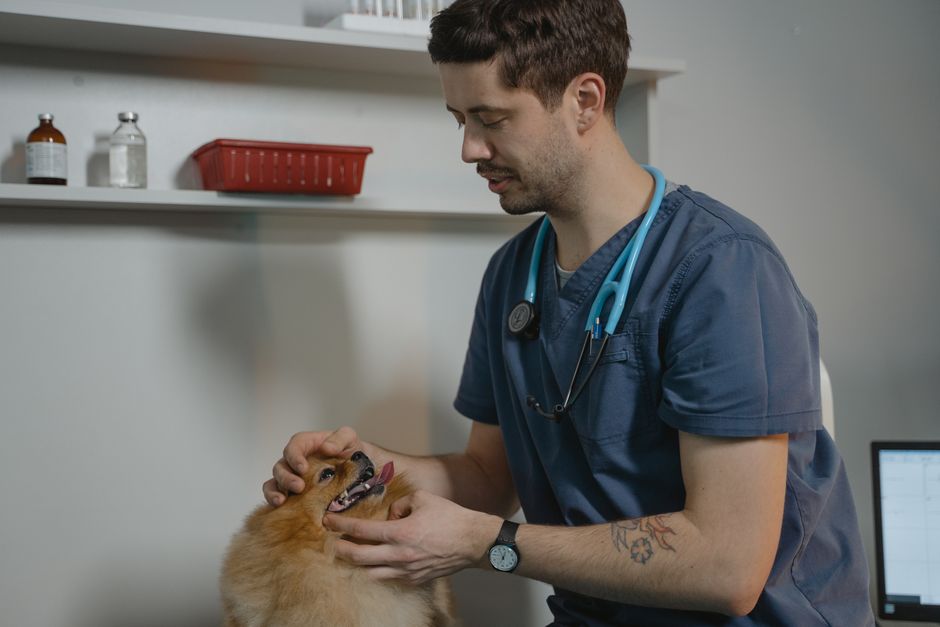
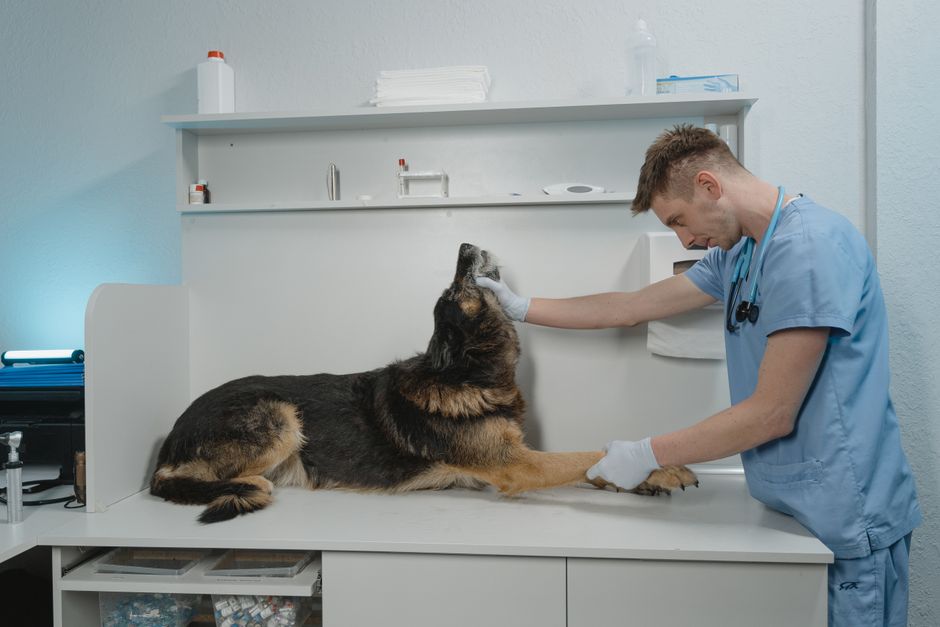
When dental problems arise, timely veterinary care is the key to preventing lasting damage or discomfort. At Pet Lovers Animal Hospital Long Beach, we offer a comprehensive range of dental services for dogs and cats, including professional cleanings, dental radiography, tooth extractions, and advanced oral surgery.
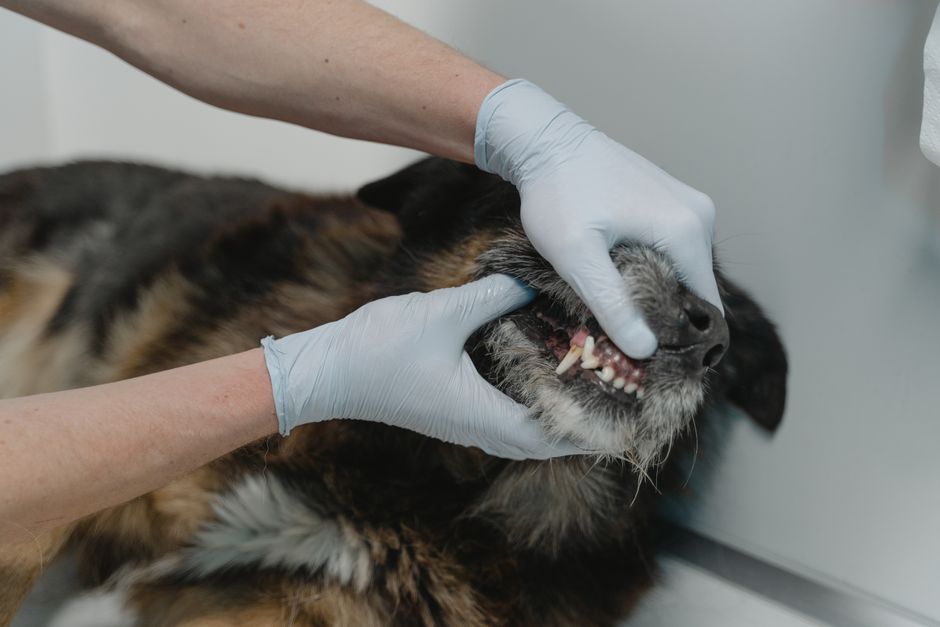
A thorough dental cleaning involves scaling away plaque and tartar from both above and below the gumline, followed by polishing the teeth to slow future buildup. Dental radiographs allow our veterinary professionals to assess the roots and jawbone for hidden issues such as tooth resorption, abscesses, or fractures. If a tooth is severely decayed, fractured, or infected, an extraction may be necessary to restore comfort and prevent further health problems.
For pets experiencing more severe or complicated oral health challenges, specialized procedures such as oral surgery may be recommended. Treatment approaches are tailored to your pet’s specific needs, ensuring both their immediate comfort and long-term oral health.
You can learn more about our professional dental cleaning services for dogs and cats, as well as our capabilities in dental repair and dental radiography, to see how our veterinary team can support your pet’s unique dental requirements.
At-Home Dental Care and Prevention for Summer
While veterinary dental care is essential, preventive steps at home can make a significant difference. Brushing your pet’s teeth daily with a pet-safe toothpaste is one of the most effective ways to reduce plaque buildup. If your pet is new to toothbrushing, starting slowly and making it a positive experience can help build a routine. Dental chews and approved treats can also assist in maintaining oral health, but it’s important to select products that are appropriate for your pet’s size and chewing habits.
During the summer, encourage your pet to drink plenty of fresh water to help keep their mouth hydrated. Replacing water frequently and providing shaded areas can make it more appealing for dogs and cats to stay hydrated. Monitor your pet’s toys and avoid giving items that are too hard, as these can cause tooth fractures. Additionally, offering a balanced diet that supports dental health can help minimize tartar and plaque development.
Regularly checking your pet’s mouth for changes, such as redness, swelling, broken teeth, or unpleasant odors, allows you to catch problems early. Keeping up with scheduled dental cleanings and examinations ensures your veterinarian can identify and address any emerging concerns before they become serious.
When to Schedule a Veterinary Visit for Dental Issues
Certain dental problems require prompt veterinary attention. If your dog or cat is refusing food, has severe drooling, experiences bleeding from the mouth, shows visible swelling, or appears to be in pain, schedule an appointment right away. Persistent bad breath, especially when accompanied by other symptoms, is another sign that a dental evaluation is needed.
It’s always better to address dental concerns early, as untreated oral disease can lead to more costly and complex problems, including infections that may affect other organs. Regular dental exams with our veterinary team can help prevent these complications and keep your pet comfortable and healthy throughout the year. If you’re unsure whether your pet’s symptoms warrant a veterinary visit, our resources on bad breath in dogs and bad breath in cats offer valuable insight into when to seek care.
Supporting Your Pet’s Smile All Summer Long
Summer is a season of fun and adventure, but it’s also an important time to stay vigilant about your pet’s dental health. By watching for warning signs, maintaining a consistent home care routine, and scheduling regular veterinary dental checkups, you can help your dog or cat avoid painful dental issues and enjoy the season to the fullest.
If you notice changes in your pet’s eating habits, breath, or mouth, don’t hesitate to reach out to our compassionate veterinary professionals. Pet Lovers Animal Hospital Long Beach is committed to providing smart, budget-friendly care for pets in Long Beach and surrounding communities. Our full-service approach includes professional dental cleaning services for dogs and cats, advanced diagnostics, and personalized treatment plans designed for your pet’s comfort and well-being.
To schedule an appointment or learn more about our dental care options, call us at (562) 349-0000 or visit us at 5211 Atlantic Ave, Long Beach, CA 90805. When searching for a vet near me that truly cares about your pet’s smile, our veterinary team is here to help every step of the way. Give your pets the gift of excellent oral health this summer—because a healthy mouth means a happier, healthier companion all year long.
This blog is intended for informational purposes only and should not replace professional veterinary advice. Always consult your veterinarian with specific questions or concerns about your pet’s health.