Dental Care for Dogs and Cats in Long Beach

Dental Care for Dogs and Cats in Long Beach
Every pet owner wants their dog or cat to live a happy, pain-free life. But did you know that your pet’s dental health plays a major role in their overall wellbeing? At Pet Lovers Animal Hospital Long Beach, our veterinary team is dedicated to helping pets maintain healthy mouths through professional dental care right here at our Long Beach location. If you have ever wondered why dental cleanings are important, what signs of dental problems to watch for, or what to expect from a veterinary dental appointment, you’re in the right place. In this guide, we’ll explore why dental health matters for your dog or cat, how to spot issues early, and what you can do to keep your pet’s mouth comfortable and healthy—especially as the fall season arrives.
Whether you’re new to pet ownership or a lifelong animal lover, understanding dental care can help your pet avoid pain, infection, and more serious health issues down the road. Our team at Pet Lovers Animal Hospital Long Beach believes in smart, compassionate care that fits your budget while providing the highest quality of service. Let’s take a closer look at what every local pet owner should know about dental care for dogs and cats.
Recognizing Dental Problems in Dogs and Cats
Many dental issues in pets develop quietly, often going unnoticed until they cause discomfort or visible changes. By staying alert to the early signs of dental disease, you can help your pet avoid unnecessary pain and catch problems before they become serious. Common signs that your dog or cat may have dental trouble include persistent bad breath, which is more than just the occasional "doggy breath." When your pet’s breath smells unusually foul, it can signal a buildup of bacteria or infection in the mouth. For more information about what bad breath could mean for your pet, visit our pages on when to seek care for dog bad breath or cat bad breath.
Other signs of dental disease include red or swollen gums, visible tartar or yellowish deposits along the gumline, loose or missing teeth, and reluctance to eat hard food or chew toys. Some pets might paw at their mouth, drool excessively, or even drop food while eating. If your dog or cat seems less interested in play, is acting withdrawn, or appears to be in pain when you touch their face, dental discomfort could be the cause.
Paying close attention to small changes can make a big difference in your pet’s health. If you notice any of these changes or suspect something is off, scheduling an appointment with your veterinarian is the best next step to ensure your pet feels their best.
Why Dental Disease Happens: Understanding the Causes
Dental disease doesn’t happen overnight; it develops over time as bacteria, saliva, and food particles combine to form sticky plaque on your pet’s teeth. If this plaque is not removed by regular brushing or professional cleanings, it hardens into tartar, which can irritate the gums and create pockets where more bacteria thrive. The result is gingivitis, an inflammation of the gums, which can progress to periodontitis—a more serious infection that damages the tissues and bones supporting the teeth.
Several factors can increase your pet’s risk for dental disease. Smaller dog breeds and certain cats are more prone to tartar buildup due to the shape of their mouths and crowded teeth. Age is another important factor; dental problems become more common as pets get older. Diet also plays a role, as soft or sticky foods can contribute to plaque formation, while chewing on appropriate toys or dental treats may help reduce buildup.
Oral health issues can also be linked to other conditions, such as kidney or heart disease, because bacteria from the mouth can enter the bloodstream and affect organs throughout the body. This makes dental care not only a matter of comfort but also a key part of your pet’s overall health.
Professional Dental Care: What to Expect at Pet Lovers Animal Hospital Long Beach
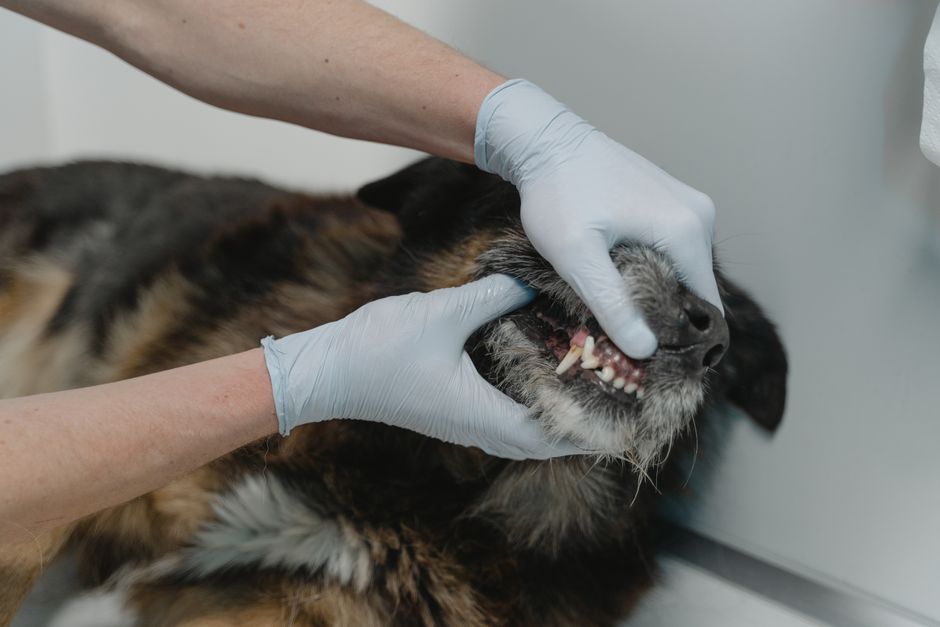
When you bring your pet to our Long Beach location for dental care, our veterinarians follow a thorough, compassionate approach tailored to your pet’s needs. A dental examination starts with a careful inspection of your pet’s teeth, gums, and oral tissues. We look for signs of infection, damage, or discomfort that may require further attention.
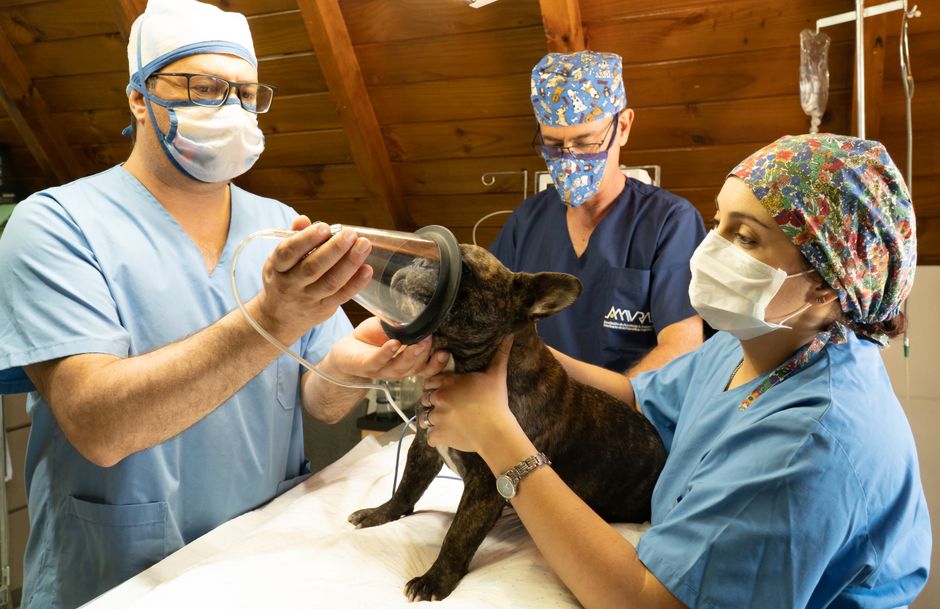
If a professional cleaning is recommended, your pet will be placed under anesthesia to ensure a safe, stress-free experience. This allows our veterinary team to clean below the gumline and remove tartar from all surfaces—something that isn’t possible with brushing alone. We may also use advanced dental radiography services to evaluate the health of your pet’s tooth roots and jawbones, as many dental issues hide beneath the gumline.
During the cleaning, any damaged or infected teeth may need to be extracted to prevent further pain or complications. Our pet tooth extraction services are performed with your pet’s comfort and safety as our top priorities. If your pet has more complex oral health needs, we also offer pet oral surgery services and dental repair services to address a range of dental problems.
After the procedure, we’ll discuss home care steps, pain management, and tips for keeping your pet’s mouth healthy. Our goal is to help every pet owner in Long Beach and the surrounding communities feel confident in their pet’s dental care plan.
Common Dental Treatments and Services
Our veterinary team provides a full spectrum of dental care, including comprehensive pet dental cleaning services, dental x-rays, oral surgeries, and targeted pain relief. We tailor each treatment plan to your pet’s unique needs, age, and health status, ensuring the best possible outcome with minimal stress.
At-Home Dental Care: Steps Every Pet Owner Can Take
While professional veterinary dental care is essential, what you do at home can make a significant difference in your pet’s oral health. Brushing your dog’s or cat’s teeth regularly is one of the most effective ways to reduce plaque and tartar. Using a pet-safe toothbrush and toothpaste, aim for gentle, daily brushing. If your pet is new to brushing, start slowly and reward them with treats or affection to build positive associations.
Dental diets, treats, and chews designed to promote oral health can also help by mechanically removing some plaque during chewing. Always choose products approved by your veterinarian and avoid hard items that could crack teeth. Providing safe toys for chewing and encouraging play can assist in keeping your pet’s teeth cleaner between veterinary visits.
Regularly inspect your pet’s mouth for changes, such as swollen gums, loose teeth, or unusual odors. Addressing these issues early with your veterinarian can help prevent more serious problems down the road.
When Should You Call the Veterinarian About Your Pet’s Teeth?
Many pet owners wonder when it’s time to schedule a dental appointment. If you notice symptoms such as persistent bad breath, red or bleeding gums, difficulty eating, drooling, or visible tartar, it’s wise to reach out to your veterinarian. Other warning signs include loose or missing teeth, swelling of the face or mouth, and any sign of pain when your pet eats or chews.
Some dental problems can develop quickly or cause significant discomfort, so don’t wait until your pet is in severe pain. For more details on what excessive drooling might mean for your pet, explore our resources on when to seek care for dog drooling or cat drooling.
A dental evaluation is recommended at least once a year for most pets, but some dogs and cats—especially those with a history of dental disease—may benefit from more frequent checkups. Our veterinary professionals can help determine the best schedule for your individual pet.
How Regular Dental Care Protects Your Pet’s Whole Health
The benefits of veterinary dental care extend far beyond fresh breath and clean teeth. Healthy gums and teeth help your pet eat comfortably, enjoy playtime, and avoid the pain caused by infection or tooth decay. Routine dental care can also reduce the risk of systemic illnesses linked to untreated dental disease, such as heart, kidney, or liver problems.
At Pet Lovers Animal Hospital Long Beach, we understand that dental health is a crucial part of your pet’s overall wellness. By partnering with our veterinary team for routine exams and cleanings, you’re giving your pet the best chance for a long, healthy, and joyful life.
Choosing Pet Lovers Animal Hospital Long Beach for Your Pet’s Dental Care
When searching for a veterinarian near me, it’s important to choose a practice that combines expertise, compassion, and a full suite of dental services. At Pet Lovers Animal Hospital Long Beach, our veterinarians are committed to providing high-quality, budget-friendly dental care for dogs and cats. We use state-of-the-art equipment, gentle techniques, and personalized treatment plans to make every pet’s dental visit as comfortable as possible.
Our convenient Long Beach location welcomes pet owners from throughout the community and surrounding areas. We believe that every pet deserves a healthy mouth, and we’re here to support you every step of the way.
If you’re ready to schedule a dental checkup or have questions about your pet’s oral health, reach out to our team of veterinary professionals. Call us at (562) 349-0000 or visit our website to request an appointment. Your pet’s comfort, health, and happiness are always our top priorities.
Disclaimer: This article is for informational purposes only and does not replace professional veterinary advice. If you have concerns about your pet’s health, please contact your veterinarian directly.