TPLO Surgery for Dogs: What Pet Owners Need to Know

TPLO Surgery for Dogs: What Pet Owners Need to Know
When your dog suddenly starts limping or refuses to put weight on a back leg, it can be frightening and confusing. Many pet owners in Long Beach and the surrounding communities face this scenario every year, often learning that their beloved companion has suffered a torn cranial cruciate ligament (commonly called an ACL in dogs). At Pet Lovers Animal Hospital Long Beach, our compassionate veterinary team understands how distressing this diagnosis can be. One of the most effective treatment options available for this injury is TPLO surgery. In this blog, we’ll explain what TPLO surgery is, how it helps restore your dog’s mobility, what to expect before and after the procedure, and how our team supports your dog’s full recovery. If you’re researching “tplo surgery dog,” you’re in the right place to get clear, local information from a trusted veterinary team right here at 5211 Atlantic Ave, Long Beach, CA 90805.
Recognizing a Torn ACL in Dogs: Is TPLO Surgery Needed?
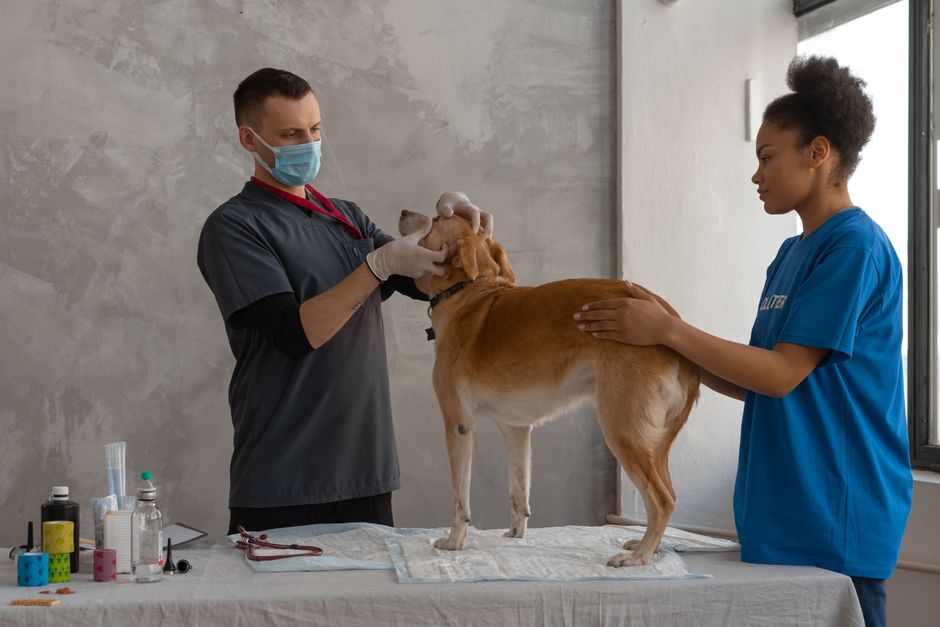
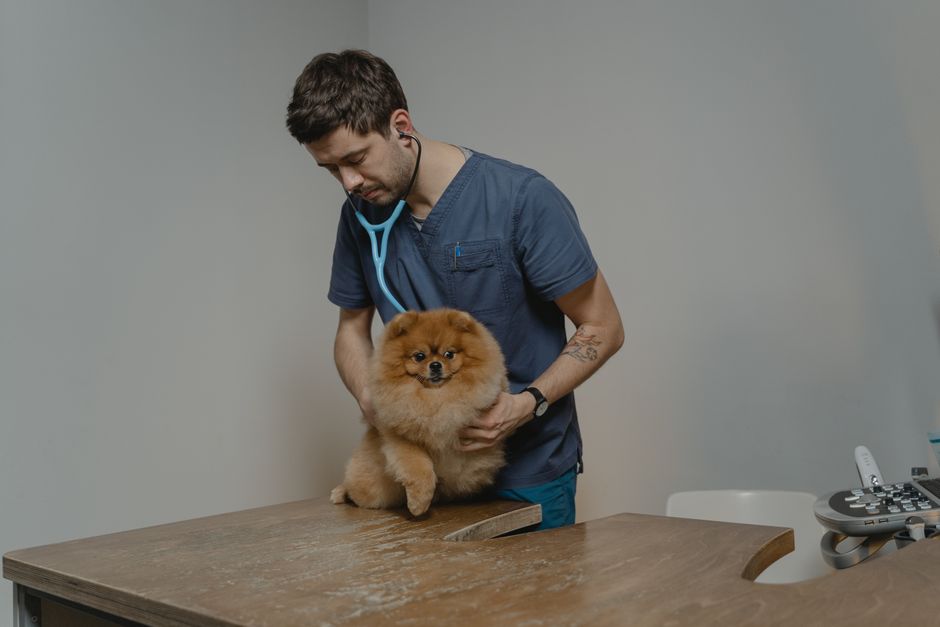
Understanding when your dog might need TPLO surgery starts with recognizing the signs of a cranial cruciate ligament injury. While some dogs experience a sudden, dramatic change—such as yelping during a game of fetch and then refusing to use a leg—others may develop symptoms more gradually. Key signs to watch for include persistent limping, obvious discomfort when rising or walking, stiffness after rest, difficulty jumping into the car or onto furniture, and sometimes swelling around the knee joint. In certain cases, you might notice your dog holding their leg up or “toe-touching,” especially after exercise. Some owners describe their dog as simply being less playful or reluctant to go for walks. If your dog is showing any of these symptoms, a professional evaluation is essential. Our pet examinations can help determine the underlying cause and discuss whether TPLO surgery for dogs is the best treatment option.
What Causes Cranial Cruciate Ligament Tears in Dogs?
A torn cranial cruciate ligament is one of the most common orthopedic injuries in dogs. While it’s sometimes the result of a sudden trauma—like slipping while running—many cases develop over time due to ligament degeneration. This means even normal activities can eventually cause the ligament to give way, especially in certain breeds or as a dog ages. Larger breeds, such as Labradors, Golden Retrievers, Rottweilers, and Bulldogs, are particularly prone to CCL tears, but any dog can be affected. Carrying extra weight, having an active lifestyle, or having anatomic factors that place extra strain on the knees can all increase the risk. The result is instability in the knee joint, leading to pain, inflammation, and long-term joint damage if not addressed. At Pet Lovers Animal Hospital Long Beach, we use advanced diagnostics, including digital radiology, to confirm the diagnosis and determine the severity of your dog’s injury before recommending a treatment plan.
How TPLO Surgery Works for Dogs
TPLO, or Tibial Plateau Leveling Osteotomy, is a specialized orthopedic surgery designed to stabilize the knee after a cruciate ligament tear. Unlike traditional suture techniques, TPLO changes the biomechanics of the knee by altering the angle of the tibial plateau, which helps prevent the femur from sliding backward during weight-bearing. This allows your dog to regain stability, reduces pain, and promotes a quicker, more reliable return to activity. TPLO surgery is considered the gold standard for many dogs—especially large, active breeds—because it provides excellent long-term results and minimizes the risk of future arthritis.
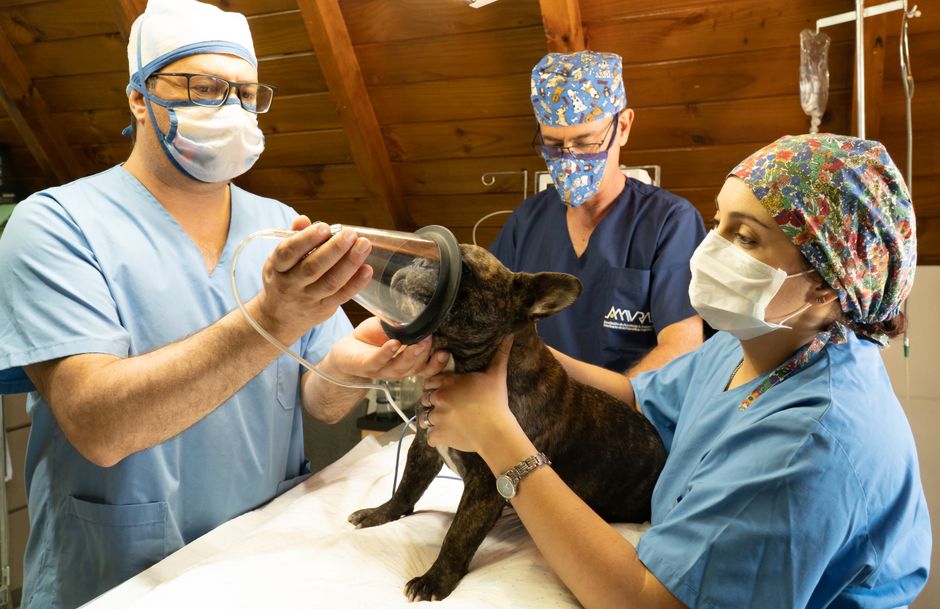
Our veterinary team at Pet Lovers Animal Hospital Long Beach has extensive experience performing TPLO surgery for dogs with cranial cruciate ligament injuries. The procedure involves making a precise cut in the tibia, rotating it to the correct angle, and securing it with a specialized plate and screws. The surgery is performed under general anesthesia, and we use advanced monitoring and pain management techniques to keep your dog as comfortable and safe as possible throughout the process.
What to Expect Before, During, and After TPLO Surgery
Knowing what to expect can help you and your dog feel more at ease during the surgical journey. Before the procedure, your dog will undergo a thorough pre-surgical consultation and diagnostics, which may include bloodwork, radiographs, and a full physical exam to ensure they are a good candidate for surgery. On the day of surgery, our veterinary professionals will review the anesthesia plan, answer any last-minute questions, and provide tailored instructions for fasting and medication.
During the operation, our surgical team uses sterile techniques and advanced equipment to perform the osteotomy and place the implant. After surgery, your dog will be closely monitored during recovery and will receive individualized pain management tailored to their needs. Most dogs are able to go home the same day or after an overnight stay, depending on their comfort and recovery progress.
The post-operative period is a crucial part of the healing process. Initial recovery includes restricted activity, careful monitoring for swelling or infection, and regular progress checks with our veterinary team. Rehabilitation exercises, such as controlled leash walks and gradual return to normal activities, are typically started after the first few weeks. We’ll provide detailed instructions and ongoing support to ensure your dog’s recovery is as smooth as possible.
Home Care and Rehabilitation After TPLO Surgery
Caring for your dog after TPLO surgery requires a combination of patience, attention, and gentle encouragement. In the first few weeks, your dog will need to rest in a confined, comfortable space to limit movement and prevent injury to the healing knee. Short, controlled leash walks for bathroom breaks are allowed, but running, jumping, and rough play must be avoided. Keeping your dog’s environment calm and offering enrichment toys or puzzles can help reduce boredom during this period.
Pain management is a top priority, and our team will prescribe appropriate medications to keep your dog comfortable. Monitoring the incision site for redness, swelling, or discharge is important. Additionally, you’ll receive guidance on gradually increasing activity levels, incorporating gentle rehabilitation exercises, and attending scheduled recheck appointments. Depending on your dog’s needs, we may recommend additional therapies such as laser therapy to promote healing and reduce inflammation.
A successful recovery from TPLO surgery often takes several months, with steady improvement in mobility and strength over time. Most dogs are able to return to their favorite activities, whether that’s chasing a ball at the park, exploring the neighborhood, or simply enjoying a long walk with you.
Preventing Future Knee Injuries in Dogs
While not all cruciate ligament injuries can be prevented, there are steps you can take to reduce your dog’s risk and support long-term joint health. Maintaining a healthy weight is one of the most effective ways to minimize stress on the knees. Regular, moderate exercise helps keep muscles strong and joints flexible, but avoid excessive jumping or high-impact activities, especially in breeds prone to knee injuries. Providing a balanced diet and joint supplements as recommended by your veterinarian can also support overall joint health.
Early detection of limping or subtle changes in gait can make a significant difference. If you notice your dog hesitating on walks, struggling to stand up, or limping even occasionally, a prompt wellness examination can catch issues before they become severe. Our veterinary team can also offer advice on safe activities and preventive care tailored to your dog’s age, breed, and lifestyle.
When Should You Seek Veterinary Care for Knee Injuries?
If your dog is limping, unable to bear weight on a leg, or seems to be in pain, timely evaluation is critical. Delaying care can lead to worsening discomfort, secondary injuries, and long-term joint damage. Even if your dog’s limp appears mild or improves with rest, underlying ligament injuries often worsen without intervention. Our team recommends scheduling an appointment at the earliest sign of trouble.
Some situations require urgent attention; for example, if your dog suddenly cannot get up, cries out in pain, or develops significant swelling around the knee, immediate veterinary evaluation is needed. For more information about when to seek help for a limping dog, you can review our resource on dog limping and when veterinary evaluation may be needed.
Why Choose Pet Lovers Animal Hospital Long Beach for TPLO Surgery?
Choosing the right veterinary team for your dog’s TPLO surgery is one of the most important decisions you’ll make for their long-term health and happiness. At Pet Lovers Animal Hospital Long Beach, our veterinarians have the expertise, advanced equipment, and compassionate approach needed to provide the highest standard of care. From the initial diagnosis to surgery and through every step of recovery, we are committed to supporting both you and your dog.
Our practice is dedicated to smart, compassionate care that balances advanced surgical options with your family’s budget and your dog’s individual needs. We believe in clear communication, transparent pricing, and personalized recovery plans that set your dog up for the best possible outcome. Whether you’re coming from Long Beach or nearby communities, you can trust our team to prioritize your dog’s comfort, safety, and long-term mobility.
Take the Next Step: Schedule a TPLO Surgery Consultation Today
If you suspect your dog has a knee injury or you’ve already been told that TPLO surgery is needed, don’t wait to get the help your dog needs. Our experienced veterinary professionals at Pet Lovers Animal Hospital Long Beach are here to answer your questions and guide you through every stage of care. You can learn more about TPLO surgery for dogs with cranial cruciate ligament injuries or explore our veterinary orthopedic care for musculoskeletal and joint conditions to understand your options.
To schedule an appointment, call us at (562) 349-0000 or visit us at 5211 Atlantic Ave, Long Beach, CA 90805. When searching for a vet near me for tplo surgery dog care, our team is ready to help your companion return to happy, active days. Your dog’s wellbeing is our top priority—let us help you both move forward with confidence and compassion.