What to Expect From Pet Knee Surgery


What to Expect From Pet Knee Surgery
If your dog or cat has been limping, showing signs of pain, or struggling to run and play like they used to, you may be wondering if pet knee surgery could help restore their quality of life. At Pet Lovers Animal Hospital Long Beach, located at 5211 Atlantic Ave, Long Beach, CA 90805, our experienced veterinary team understands how concerning mobility issues can be for both pets and their families. We offer a full range of advanced surgical solutions, including ACL repair for dogs and knee cap dislocation correction, designed to relieve pain and help your pet get back on their feet.
In this guide, we will walk you through what to expect from pet knee surgery in Long Beach, from the initial signs that indicate a knee problem to the detailed steps of diagnosis, treatment, and recovery. You will also learn how our compassionate approach and commitment to budget-friendly care make us a trusted choice for pet owners searching for a "vet near me" or "pet knee surgery near me." Whether you are just beginning to research orthopedic services or have been referred for ACL repair for dogs, our goal is to support you with clear information and personalized care every step of the way. For more details about knee joint procedures, you can explore our orthopedic services for pets including knee and joint care.
Recognizing the Signs: When Might Your Pet Need Knee Surgery?
Many pet owners in Long Beach and surrounding communities first notice changes in their pet’s gait, activity level, or behavior. Key symptoms that may suggest a knee injury or issue include limping on one leg, reluctance to jump or climb stairs, visible swelling around the knee, and vocalizing or licking at the joint. Dogs are especially prone to tearing their cranial cruciate ligament, commonly referred to as an ACL injury, while cats may suffer from knee cap dislocation or patellar luxation.
Other warning signs to watch for are sudden yelps during play, shifting weight to the opposite leg, and stiffness, particularly after rest. Some pets might become less interested in walks or playtime, while others may resist being touched on the affected leg. If your pet is showing any of these signs, it is important to seek a veterinary examination, as early intervention can prevent further damage and allow for more effective treatment options.
Understanding Why Knee Injuries Happen in Pets
Knee injuries and chronic joint problems are relatively common in both dogs and cats, although the underlying causes can vary. In dogs, ACL tears often result from a combination of genetics, conformation, and repetitive strain. Larger breeds and active dogs may be especially susceptible, but even small or less active pets can suffer from ligament injuries due to sudden twists or awkward landings during play.
Knee cap dislocation, or patellar luxation, is another frequent issue, particularly in smaller dog breeds and some cats. This condition often develops due to anatomical abnormalities that cause the knee cap to slip out of place, leading to discomfort and abnormal movement. Over time, untreated knee issues can lead to arthritis, muscle loss, and permanent changes in how your pet moves.
Obesity is a significant contributing factor for joint stress, so pets who are carrying extra weight are at higher risk of both developing knee injuries and experiencing complications during recovery. Age can also play a role, as older pets may have weaker ligaments and cartilage, making them more vulnerable to injury. Understanding these risk factors can help you take proactive steps to protect your pet’s joint health, especially in the active lifestyles common throughout Long Beach.
Treatment Options: What Happens During Pet Knee Surgery in Long Beach?
When your pet is diagnosed with a knee injury, our veterinary professionals at Pet Lovers Animal Hospital Long Beach will discuss all available treatment options with you. For many pets, surgical intervention offers the best chance of restoring proper joint function and minimizing long-term pain. The most common procedures include ACL repair for dogs and knee cap dislocation surgery for both dogs and cats.
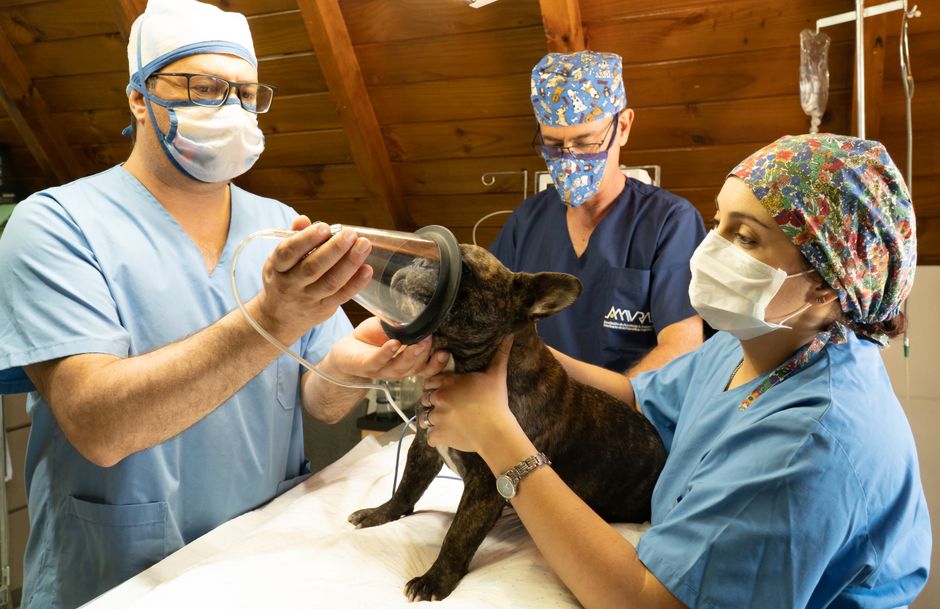
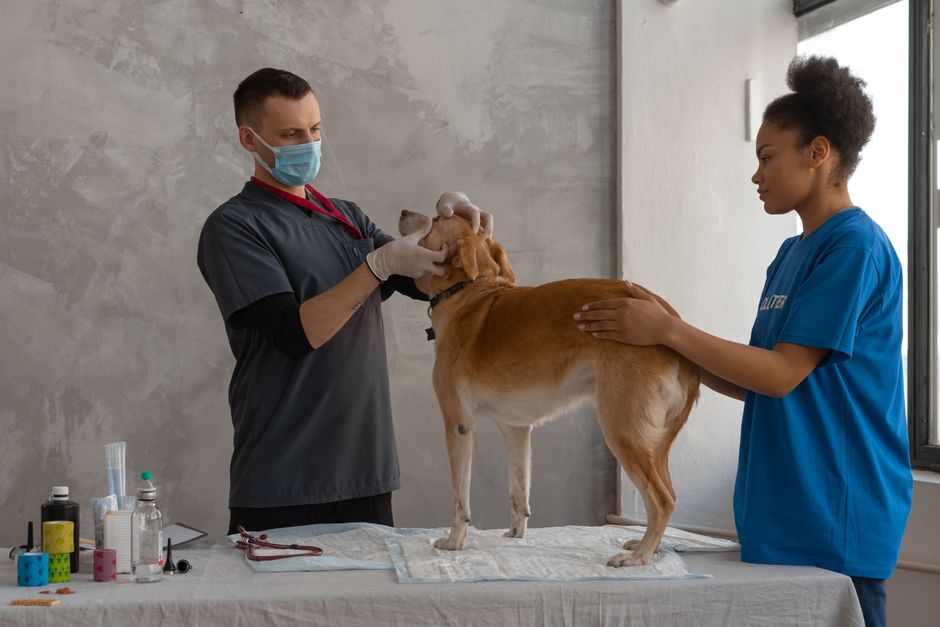
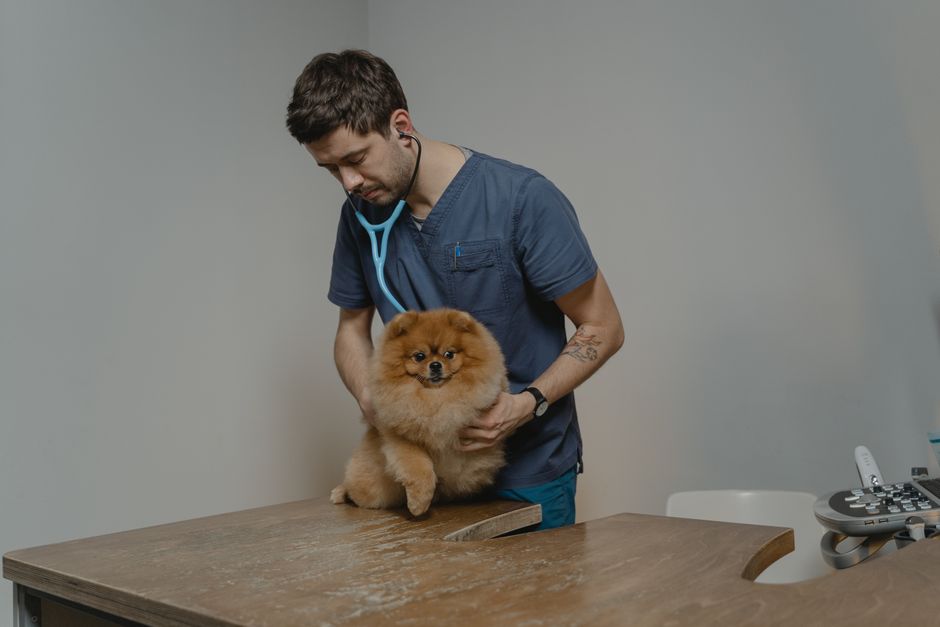
During your initial consultation, our veterinarians will perform a thorough physical examination, review your pet’s history, and may recommend advanced diagnostics such as digital radiology or orthopedic assessment. If surgery is indicated, we will walk you through each step of the process, from pre-operative bloodwork and anesthesia protocols to the specifics of the chosen surgical technique.
For ACL injuries, surgical options like traditional suture stabilization or TPLO Surgery for pet knee injuries may be recommended based on your pet’s size, age, and activity level. The TPLO technique, for example, is designed to alter the mechanics of the knee joint and is often used in medium to large dogs with high activity demands. You can read more about TPLO procedures on our website.
Knee cap dislocation surgery involves realigning the knee cap and stabilizing the joint to prevent future luxation. Our team’s expertise in knee cap dislocation surgery for pets ensures each patient receives a custom-tailored approach for the best possible outcome. Following surgery, your pet will receive careful monitoring during recovery and pain management, with personalized instructions for home care.
Preparing Your Pet for Surgery and Supporting a Smooth Recovery
Preparation for pet knee surgery in Long Beach starts with ensuring your pet is in optimal health. This may involve pre-surgical bloodwork, adjusting any current medications, and following fasting instructions provided by our veterinary team. We understand that surgery can be a stressful time for both pets and their families, which is why we take time to answer all your questions and provide clear, compassionate guidance.
The recovery period varies depending on the procedure, your pet’s age, and their overall health. Most pets require restricted activity for several weeks after surgery to allow the joint to heal properly. This often means using a crate or small room to limit movement, supervising all walks on a leash, and avoiding stairs or high-impact play. Your veterinarian will provide detailed rehabilitation protocols, which may include gentle physical therapy exercises or cold laser therapy to support healing.
Pain management is a critical aspect of recovery, and our team will prescribe medications as needed to ensure your pet’s comfort. Regular follow-up visits allow us to monitor progress, remove sutures if necessary, and provide additional support or adjustments to the recovery plan. We encourage you to reach out with any concerns during this time, as early intervention can prevent minor issues from becoming major setbacks.
Prevention and At-Home Care for Healthy Pet Joints
While not all knee injuries can be prevented, there are important steps you can take to reduce your pet’s risk and support long-term joint health. Keeping your pet at a healthy weight is one of the most effective ways to minimize stress on their knees. Regular, low-impact exercise such as walking or swimming helps maintain muscle tone and flexibility, while also providing mental stimulation.
Providing supportive bedding and avoiding slippery floors can make a big difference, especially for pets recovering from surgery or those with known joint issues. Supplements containing glucosamine or omega-3 fatty acids may be recommended by your veterinarian to promote cartilage health, but it’s important to discuss any new products with a veterinary professional before making changes to your pet’s diet or routine.
For pets who have undergone surgery, following post-operative care instructions closely is essential. This includes monitoring the incision site for signs of infection, keeping all follow-up appointments, and gradually reintroducing activity as directed. Our team is always available to help you navigate the recovery process and offer personalized advice for your pet’s unique needs.
When to Seek Veterinary Care for Your Pet’s Knee Concerns
If you notice your pet limping, favoring one leg, or showing signs of pain that do not improve within a day or two, it is important to schedule an appointment with our veterinarians. Sudden inability to bear weight, swelling, or persistent discomfort may indicate a serious injury that requires prompt attention. Delaying care can result in worsening damage to the knee joint and may limit your pet’s treatment options.
In some cases, pets may develop subtle symptoms that progress over time, such as stiffness after rest or a gradual decline in activity. Even if your pet seems to be coping, ongoing lameness should always be evaluated by a professional. Our goal is to provide comprehensive pet knee surgery in Long Beach and ensure your companion receives the highest standard of care available.
Whether you are searching for ACL repair for dogs, knee cap dislocation correction, or simply want a quality "vet near me" for preventive care, our team is here to help. You can read more about our ACL repair surgery for dogs and cats to understand the specifics of this common procedure.
Compassionate, Comprehensive Care for Pet Knee Surgery in Long Beach
Helping your pet regain mobility and comfort is our top priority at Pet Lovers Animal Hospital Long Beach. From your first consultation through recovery and beyond, our veterinary professionals are dedicated to providing smart, compassionate, and budget-friendly care tailored to your pet's needs. If you have noticed any signs of knee injury or are concerned about your pet’s joint health, we encourage you to schedule an appointment with our veterinarians.
Our clinic proudly serves Long Beach and surrounding communities, offering advanced surgical options for ACL repair for dogs, knee cap dislocation, and other orthopedic needs. When searching for a "vet near me" who truly understands the importance of your pet’s wellbeing, you can trust our knowledgeable and caring team to guide you every step of the way.
Take the next step toward helping your pet move comfortably again. Call us at (562) 349-0000 or visit us in person at 5211 Atlantic Ave, Long Beach, CA 90805 to schedule your consultation today. For more details about the procedures we offer, explore our orthopedic services for pets including knee and joint care or reach out with any questions. Your pet deserves the highest quality veterinary care in Long Beach, and we are here to help every step of the way.
If you are ever unsure about your pet’s symptoms or need immediate advice, please contact our clinic directly. The information provided here is for educational purposes only and should not replace professional veterinary evaluation and diagnosis.