Cat Shaking: What Causes It and When to See a Vet


Cat Shaking: What Causes It and When to See a Vet
Is your cat suddenly shaking or trembling, leaving you worried and unsure what to do next? As a caring pet owner, it's natural to feel concerned when you notice unusual movements or behavior in your feline companion. Cat shaking can be alarming, but understanding what might be causing it and when to seek help can make all the difference for your pet's health and peace of mind. At Pet Lovers Animal Hospital Long Beach, our veterinary team is dedicated to providing smart, compassionate care for cats and dogs throughout Long Beach and surrounding communities. This blog will guide you through the common reasons behind cat shaking, how to recognize urgent symptoms, and when it's time to schedule a visit with our team at 5211 Atlantic Ave, Long Beach, CA 90805. Whether your cat is trembling for a minor reason or may need immediate attention, you will find helpful advice right here.
Recognizing the Signs: What Does Cat Shaking Look Like?
Cat shaking can take several forms, from subtle tremors to pronounced, repeated movements. You might notice your cat's legs trembling when standing, their whole body shivering, or specific muscles twitching. Some cats may appear to shudder only when sleeping, while others shake during periods of stress or excitement. Key symptoms include rhythmic muscle movements, shaking that occurs after a stressful event (like a trip to the veterinarian), or tremors that come on suddenly and persist. Additional signs to watch for are weakness, difficulty walking, drooling, vomiting, or changes in behavior such as hiding or vocalizing more than usual.
If shaking is accompanied by other concerning symptoms such as collapse, seizures, loss of consciousness, or severe lethargy, this may indicate a medical emergency. In these cases, contact your veterinarian right away for guidance, as immediate care can be critical for your cat's wellbeing.
Common Causes of Cat Shaking
Many pet owners wonder, "Why is my cat shaking?" The answer can vary widely, ranging from mild issues to conditions that require urgent veterinary attention. Understanding the possible causes can help you better determine your next steps.
Medical Reasons for Cat Shaking
Medical conditions are one of the most common sources of shaking or tremors in cats. Low blood sugar (especially in kittens), fever, pain, or certain neurological disorders can all result in shaking. Cats suffering from poisoning—such as ingesting toxic plants, human medications, or household chemicals—may also begin to tremble or experience muscle spasms. Chronic illnesses including kidney disease, liver problems, or metabolic imbalances can lead to tremors, especially in older cats.
In some cases, infections—whether viral, bacterial, or parasitic—can trigger fever and shivering. For example, an upper respiratory infection might result in chills and shaking as your cat's body fights off the illness. If you suspect your cat has been exposed to something dangerous or is showing additional symptoms like vomiting, diarrhea, or collapse, it is important to seek immediate veterinary care.
Environmental and Emotional Factors
Not all causes of cat shaking are strictly medical. Environmental factors such as cold temperatures may lead to shivering, particularly in shorthaired or hairless breeds. Cats can also shake due to fear, anxiety, or excitement. For example, a trip in the car or a visit from unfamiliar guests may cause temporary trembling as your cat reacts to stress.
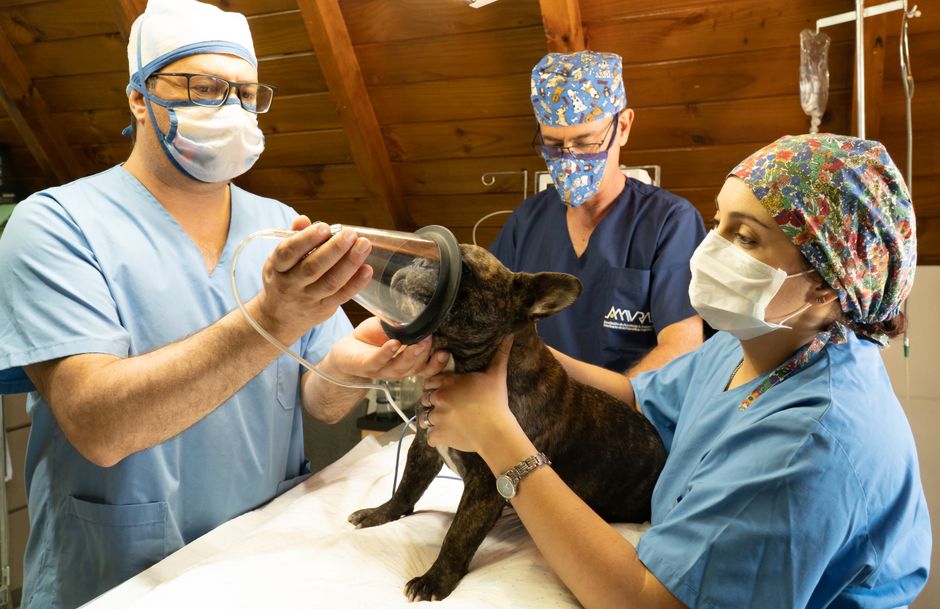
Additionally, post-anesthetic tremors are sometimes seen after surgery or dental procedures. If your cat recently underwent a procedure at a veterinary hospital, mild shaking during recovery can be normal but should be monitored closely.
When Is Cat Shaking an Emergency?
It's important to distinguish between mild, temporary shaking and signs that point to a more serious problem. Warning signs that indicate a need for urgent veterinary attention include persistent or violent shaking, shaking that is accompanied by seizures, loss of balance or consciousness, pale or blue gums, or difficulty breathing. If your cat is unable to stand, appears extremely weak, or is unresponsive, do not wait—contact your veterinarian immediately.
If you are ever unsure, it's always best to err on the side of caution and reach out to a veterinary professional for advice. Our knowledgeable team at Pet Lovers Animal Hospital Long Beach is here to help you determine whether your cat needs to be seen right away or if a scheduled visit is appropriate. For a deeper look at emergency scenarios involving cat shaking, you can review our cat shaking: causes and when to see a vet resource.
Diagnosis and Treatment: What to Expect at the Vet
When you bring your cat to Pet Lovers Animal Hospital Long Beach for shaking or tremors, our veterinary team will begin with a thorough examination. We will ask about your cat's medical history, recent activities, and any other symptoms you have noticed. Diagnostic testing may include bloodwork, urinalysis, or imaging such as X-rays or ultrasound to assess for underlying medical conditions.
In some cases, more advanced testing at our pet diagnostic laboratory may be needed to evaluate organ function or screen for toxins. Treatment will depend on the specific cause; for example, infections may require antibiotics or antiviral medications, while poisoning cases may necessitate hospitalization and supportive care. If low blood sugar is found, prompt intervention with glucose can be lifesaving.
For cats experiencing pain or anxiety-related shaking, management may involve pain relief, environmental adjustments, or calming strategies. Our goal is always to identify the source of your cat's shaking and provide targeted treatment to restore their comfort and health.
Helping Your Cat at Home: Prevention and Support
While some causes of cat shaking require professional intervention, there are steps you can take at home to reduce your cat's risk. Keeping your cat's environment warm and draft-free, especially in cooler months, can help prevent chills. Make sure toxic substances like medications, cleaning products, and certain houseplants are safely stored out of your cat's reach.
Regular wellness examinations are vital for early detection of medical problems that could lead to shaking or other symptoms. During these visits, our veterinarians can discuss your cat's lifestyle, nutrition, and any concerns you have noticed at home. Providing a stable, low-stress environment and using pheromone diffusers or calming supplements when needed can also help cats who are prone to anxiety-related shaking.
If your cat has a chronic condition, follow your veterinarian's recommendations for medication, diet, and monitoring. Promptly address any changes in behavior or appetite, as these can signal a worsening of underlying issues.
When Should You Contact Your Veterinarian?
Knowing when to seek help is crucial for your cat's health. You should contact your veterinarian if your cat's shaking is persistent, severe, or accompanied by other symptoms such as vomiting, diarrhea, lethargy, or difficulty breathing. Any sudden onset of tremors, especially in kittens or senior cats, should be taken seriously. Cats who have ingested something toxic, are experiencing seizures, or appear to be in pain require immediate veterinary attention.
Even if the shaking seems mild, a professional examination ensures your cat receives the right care and helps provide you with peace of mind. Our veterinarians at Pet Lovers Animal Hospital Long Beach are committed to supporting your cat's wellbeing every step of the way.
Compassionate Cat Care in Long Beach: Your Partner for Feline Health
Cat shaking can be unsettling, but with prompt attention and the right veterinary support, most cats can recover and return to their normal, happy selves. If you notice your cat shaking or displaying other unusual behaviors, don't hesitate to reach out to our experienced veterinary team at Pet Lovers Animal Hospital Long Beach. We are here to provide thorough examinations, advanced diagnostics, and personalized care for your feline family member.
If you are searching for a veterinarian near me who truly understands the unique needs of cats, our team is ready to help. Schedule an appointment at our convenient Long Beach location or call us at (562) 349-0000 to discuss your concerns. For more information about diagnosing and treating cat shaking, be sure to explore our cat shaking: causes and when to see a vet page.
At Pet Lovers Animal Hospital Long Beach, we are dedicated to keeping your cat healthy, comfortable, and thriving. If you have any questions about cat shaking or want to schedule a visit, our compassionate team is just a call away. Your cat's health and happiness are always our top priorities.