Keep Your Pet Safe From Holiday Hazards This November

Keep Your Pet Safe From Holiday Hazards This November
The arrival of November in Long Beach means the holiday season is just around the corner. For many pet owners, it’s a time filled with family gatherings, delicious seasonal foods, and festive decorations. While the holidays bring plenty of cheer, they can also introduce unique risks for your beloved dog or cat. At Pet Lovers Animal Hospital Long Beach, we know how important it is to keep your pet healthy and safe amid the holiday excitement. From tempting treats on the table to new plants and curious guests, the season poses several hazards you might not expect. In this article, we’ll highlight common holiday dangers in November, explain what warning signs to watch for, and share practical tips to help you protect your pet at home. You’ll also learn when it’s time to reach out to your veterinary team here at 5211 Atlantic Ave, Long Beach, CA 90805 for expert care. Our goal is to help you and your furry family members enjoy a safe, joyful holiday season together.
Recognizing Holiday Hazards: Signs Your Pet May Be at Risk
The hustle and bustle of November often brings new sights, smells, and sounds into your home. Pets are naturally curious, and this curiosity can sometimes lead them into trouble. Recognizing when your dog or cat may have encountered a holiday hazard is essential for early intervention. Common signs that your pet has eaten something unsafe or been exposed to a dangerous object include vomiting, diarrhea, excessive drooling, difficulty breathing, sudden weakness, or acting unusually lethargic. You might also notice coughing, pawing at the mouth, or swelling around the face if your pet has chewed on a hazardous plant or decoration.
Behavioral changes can be subtle. Your pet may hide more than usual or seem restless and anxious when guests are over. Cats, in particular, might become withdrawn if their environment is disrupted by loud noises or unfamiliar people. Dogs may pace, whine, or try to sneak food from countertops when holiday meals are being prepared. If you see any of these symptoms or suspect your pet has gotten into something they shouldn’t, it’s important to monitor them closely and consider reaching out to your veterinarian.
Why November Brings Extra Risks for Dogs and Cats
The weeks leading up to Thanksgiving and other fall celebrations often mean changes in your household routine. Kitchens are filled with rich foods and desserts, and festive plants or centerpieces may be brought indoors. Many popular holiday foods, such as chocolate, grapes, raisins, onions, garlic, macadamia nuts, and xylitol-sweetened treats, are toxic to pets. Even small amounts can cause serious health problems. For example, chocolate contains theobromine and caffeine, which can be dangerous to dogs; grapes and raisins can lead to kidney failure. Xylitol, a common sugar substitute in baked goods and sugar-free gum, can trigger life-threatening drops in blood sugar for dogs. You can find detailed guidance on what to do if your dog has eaten chocolate, xylitol, grapes, raisins, onion, garlic, or macadamia nuts on our website.
Decorations and seasonal plants present additional dangers. Cats are notorious for chewing on houseplants or floral arrangements, and some plants used in holiday decor can be toxic. For instance, lilies, often found in autumn bouquets, are highly toxic to cats and can cause kidney failure even in small amounts. If you suspect your cat has chewed on a plant, our cat ate houseplant and cat ate lily resources provide essential information. Other risks include tinsel, ribbon, and small decorative items that can become choking hazards or lead to intestinal blockages if swallowed.
The increase in visitors and noise during the holidays can also cause stress or anxiety for pets. Dogs and cats may react to the excitement by escaping through open doors, hiding in unsafe areas, or exhibiting destructive behaviors. Understanding these seasonal risks helps you create a safer environment for your furry companions.
How We Treat Holiday Hazards at Pet Lovers Animal Hospital Long Beach
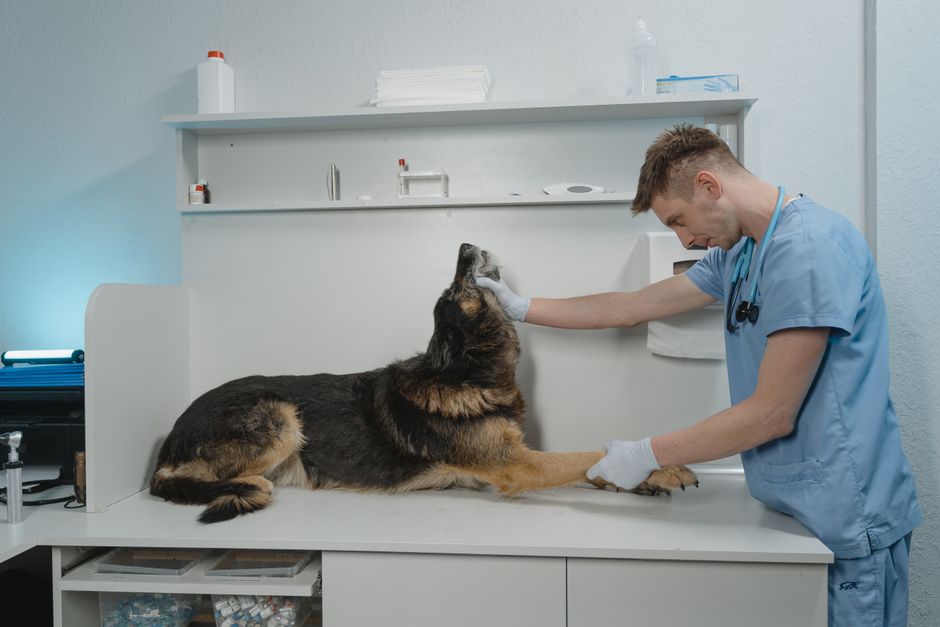
When your pet encounters a holiday hazard, timely professional care can make all the difference. At Pet Lovers Animal Hospital Long Beach, our veterinarians are equipped to handle a wide range of emergencies related to toxin exposure, foreign body ingestion, and holiday-related injuries. If your pet has eaten something dangerous, we may recommend diagnostic tests such as bloodwork, radiographs, or ultrasounds to assess their condition. Treatment options vary depending on the specific toxin or object involved and may include inducing vomiting, administering activated charcoal, providing intravenous fluids, and closely monitoring your pet’s vital signs.
In cases of plant toxicity, such as lily ingestion in cats, immediate hospitalization and aggressive supportive care are often required. For foreign objects, such as tinsel or ribbon, abdominal imaging may be used to determine if surgery is needed to remove the item. If your pet shows signs of vomiting after possible toxin exposure, it’s important to seek veterinary guidance. Learn more about when dog vomiting or cat vomiting warrants urgent attention. Our veterinary team is here to support you with compassionate, tailored care for your pet’s needs.
Preventing Holiday Mishaps: Steps to Keep Your Pet Safe at Home
Prevention is always better than cure, and a few simple steps can significantly reduce your pet’s risk of encountering holiday hazards. Start by keeping all dangerous foods well out of your pet’s reach; store chocolate, grapes, raisins, onions, garlic, and desserts in closed cabinets or the refrigerator. Remind guests not to feed table scraps to your dog or cat, even if they plead with those irresistible eyes. Consider keeping your pet in a safe, quiet room during meal preparation and celebrations to avoid accidental ingestion of harmful foods.
When decorating your home, place tinsel, ribbon, and small ornaments high enough that pets cannot reach them. Choose pet-safe plants or artificial arrangements instead of lilies, poinsettias, or mistletoe, which can be toxic. Secure wires and candles to prevent burns or electrical injuries. For cats that love to nibble on greens, research which houseplants are non-toxic and provide safe alternatives for them to explore.
Managing stress is equally important. Create a comfortable retreat for your pet where they can relax away from the noise and excitement. Provide familiar bedding, toys, and fresh water. If your pet is shy or anxious around guests, let visitors know to give them space. Microchipping and making sure your pet’s ID tags are up to date will help ensure a safe return if they slip out during the festivities. Consistency in feeding and exercise routines can also help your pet feel secure during the busy season.
When to Call the Vet: Recognizing Emergencies and Acting Fast
Despite your best efforts, accidents can happen. If you suspect your pet has eaten a toxic food, chewed on a dangerous plant, or swallowed a foreign object, do not wait for symptoms to appear. Time is often critical for successful treatment. Call your veterinary team at Pet Lovers Animal Hospital Long Beach right away if your pet is vomiting repeatedly, having difficulty breathing, collapsing, seizing, or acting unusually lethargic. Sudden swelling, pale gums, or evidence of choking are also signs that require immediate attention.
If you are unsure whether your pet’s symptoms warrant a veterinary visit, our website provides guidance on emergency veterinary care for a variety of situations. It’s always better to err on the side of caution and have your pet checked by professionals. Early intervention can prevent complications and give your pet the best chance at a full recovery. You can schedule an appointment with our veterinary team by calling (562) 349-0000. We are here to support you and your pet through every season.
Enjoy a Safe and Memorable Holiday With Your Pet
November’s festivities should be a time of joy and togetherness for the whole family, including your dog or cat. By staying alert to holiday hazards and taking proactive steps, you can help your pet avoid the most common seasonal dangers. If you ever have concerns or notice changes in your pet’s behavior, trust the experienced veterinarians at Pet Lovers Animal Hospital Long Beach to provide thorough, compassionate care. When searching online for a "vet near me," remember that our team is conveniently located at 5211 Atlantic Ave, Long Beach, CA 90805, just a short drive from many surrounding communities.
Give your pet the gift of good health and peace of mind this holiday season. If you have questions about holiday safety, need to schedule an exam, or require urgent attention, call us at (562) 349-0000 or visit our website for more information. Our veterinary team wishes you and your furry companions a safe, happy, and healthy November.