How to Protect Your Pet From Spring Allergies in Long Beach


How to Protect Your Pet From Spring Allergies in Long Beach
As spring arrives in Long Beach, pet owners often notice their dogs and cats scratching more, sneezing, or showing signs of discomfort. With blooming flowers, higher pollen counts, and warmer weather, spring is a beautiful season in Southern California, but it can also bring a host of allergens that affect not just people, but our pets as well. At Pet Lovers Animal Hospital Long Beach, located at 5211 Atlantic Ave, Long Beach, CA 90805, we understand how challenging it is to watch your beloved companion deal with itchy skin, watery eyes, or other allergy symptoms. This blog will help you recognize the signs of spring allergies in your pet, understand what causes them, explore treatment options, and discover practical steps you can take at home to keep your furry friend comfortable. We will also explain when it is time to schedule an appointment with our veterinary team for expert guidance and support.
Throughout this guide, you will learn about the most common allergy symptoms to watch for, why pets in Long Beach are especially prone to springtime reactions, what kinds of veterinary and at-home care can help, and how to access our range of services—including allergy testing and dermatology—to give your pet the relief they deserve.
Recognizing Spring Allergy Symptoms in Your Pet
Spotting early signs of allergies in dogs and cats can help you take action before discomfort worsens. Key symptoms include persistent scratching, licking, or chewing at the paws, belly, or ears. You might also notice red, inflamed skin, frequent head shaking, watery eyes, sneezing, or a runny nose. Additionally, pets may develop hot spots—raw, moist areas on the skin that arise from excessive irritation—or experience ear infections that keep returning. In some cases, hair loss or an unpleasant odor from the skin can be clues that allergies are at play.
For cats, allergy symptoms sometimes appear as over-grooming or small, crusty sores, especially on the head and neck. Dogs, meanwhile, may show more obvious redness between their toes or around their muzzle. If your pet seems more uncomfortable after spending time outdoors, or if symptoms worsen during the spring months, allergies are a likely culprit. Of course, these signs can also point to other issues, so a professional veterinary examination is always recommended to rule out infections, parasites, or other underlying problems.
Why Do Pets Get Spring Allergies in Long Beach?
Spring in Long Beach is known for its warm breezes, lush parks, and a burst of floral activity. However, the same environmental factors that make the city beautiful can also trigger allergies in sensitive pets. The main culprits include pollen from grasses, trees, and flowering plants, as well as mold spores that thrive in damp areas following spring rains. Dust mites and flea bites also become more common as the weather warms up; fleas in particular can cause severe allergic reactions in both dogs and cats, leading to intense itching and skin inflammation.
Certain breeds are more prone to allergies, such as retrievers, terriers, and brachycephalic (short-nosed) breeds, but any pet can develop sensitivities. The urban landscape of Long Beach, combined with nearby parks and green spaces, creates ample opportunities for pets to encounter allergens during their daily walks or while lounging in the backyard. Indoor triggers, such as household dust or cleaning products, can further compound the problem, especially as windows are opened to let in fresh spring air.
Veterinary Treatments and Allergy Management Options
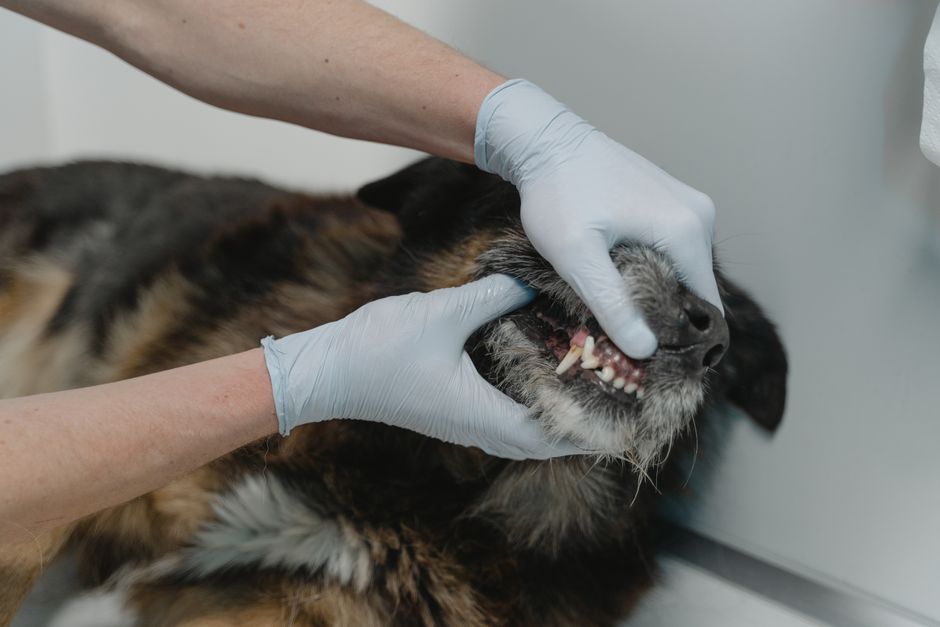
If you suspect your pet is suffering from spring allergies, the first step is to schedule an appointment for a thorough evaluation. At Pet Lovers Animal Hospital Long Beach, our veterinary professionals will begin with a comprehensive physical examination and may recommend specific diagnostic tests. For pets demonstrating persistent or severe symptoms, we often suggest allergy testing to pinpoint the exact triggers. This can involve blood tests, skin testing, or a process of elimination using hypoallergenic diets.
Treatment approaches involve a combination of strategies tailored to your pet’s needs. These may include prescription antihistamines, medicated shampoos, topical sprays, or ointments to soothe irritated skin. In some cases, corticosteroids or immunotherapy may be recommended if symptoms are particularly severe or resistant to standard treatments. For pets with recurring skin issues, our dermatology services offer advanced diagnostics and targeted therapies, including options for chronic ear infections and persistent hot spots.
Addressing external parasites is also vital; effective flea and tick prevention not only protects against bites, but also reduces the risk of flea allergy dermatitis. Our veterinary team can recommend the safest and most effective flea and tick prevention products for your pet’s lifestyle and health status.
Practical Prevention and Home Care Tips
While veterinary care is crucial, there are several steps you can take at home to minimize your pet’s exposure to spring allergens and provide relief from discomfort. Bathing your pet regularly with a gentle, hypoallergenic shampoo can help rinse away pollen and other irritants from their coat and skin. Wiping your pet’s paws and face with a damp cloth after walks reduces the amount of pollen tracked indoors. Frequent vacuuming of carpets, washing pet bedding, and using air purifiers can further limit indoor allergens.
For dogs, keeping walks shorter or choosing times when pollen counts are lower—such as early morning or after rain—may help reduce symptoms. Cats that spend time outdoors may benefit from supervised play sessions rather than free roaming during peak allergy season. Ensuring your pet stays on an effective flea and tick prevention plan is essential, as flea bites are a leading cause of allergy flare-ups in Southern California.
Diet and overall health also play a role in allergy management. Feeding a high-quality, veterinarian-approved diet helps maintain a healthy skin barrier, while regular wellness examinations can catch problems early and keep your pet on track for a comfortable, happy spring.
When to Seek Veterinary Care for Spring Allergies
While mild, occasional itching or sneezing is not uncommon during spring, certain signs mean it is time to schedule an appointment with your veterinarian. These warning signs include persistent or severe itching that leads to skin damage, open sores, or hair loss. If your pet develops frequent ear infections, has difficulty breathing, or shows signs of swelling around the face or muzzle, immediate veterinary care is necessary, as these may indicate a more serious allergic reaction or underlying medical condition.
Chronic discomfort, changes in appetite, or lethargy are also reasons to seek professional help. Our veterinary team at Pet Lovers Animal Hospital Long Beach is equipped to diagnose and manage a wide range of allergy-related issues. We encourage you to reach out if you are unsure whether your pet’s symptoms require a visit—early intervention often leads to faster relief and a better quality of life for your companion.
If an allergic reaction becomes severe or is accompanied by sudden swelling, vomiting, collapse, or trouble breathing, this is an emergency. In those situations, immediate veterinary attention is vital to ensure your pet’s safety.
Helping Your Pet Enjoy Spring in Long Beach
Spring is a season to celebrate time outdoors with your pets, but allergies can put a damper on the fun. By understanding the signs, causes, and management options for spring allergies in Long Beach, you can help your dog or cat enjoy the season comfortably. Remember that regular preventive care, including wellness examinations and effective flea and tick prevention, goes a long way in keeping allergies under control.
If you notice your pet scratching more than usual, developing red or inflamed skin, or showing other signs of discomfort, our compassionate veterinary professionals are here to help. Schedule an appointment at Pet Lovers Animal Hospital Long Beach by calling (562) 349-0000 or visiting us at 5211 Atlantic Ave, Long Beach, CA 90805. When searching for a veterinarian near me, look for a practice that combines expertise with genuine compassion and a commitment to budget-friendly care.
Let us partner with you this spring to ensure your pet feels their best—because every pet deserves to enjoy the beauty of Long Beach without the burden of allergies. For more information, explore our allergy testing and dermatology services, or reach out to our team for personalized guidance.
This article is intended for informational purposes and does not replace professional veterinary advice. Always consult your veterinarian for specific recommendations regarding your pet’s health.