TPLO Surgery for Dogs: Recovery, Cost, and Care Guide

TPLO Surgery for Dogs: Recovery, Cost, and Care Guide
If your dog is limping, showing signs of knee pain, or has been diagnosed with a torn cranial cruciate ligament (CCL), you might be researching surgical solutions. TPLO surgery, or Tibial Plateau Leveling Osteotomy, is one of the most effective treatments for stabilizing a dog's knee and restoring mobility after this common injury. At Pet Lovers Animal Hospital Long Beach, we understand how stressful it can be to face surgery for your beloved companion. Our team of veterinarians at 5211 Atlantic Ave, Long Beach, CA 90805 is here to guide you through every step, from diagnosis and treatment to recovery and long-term care. In this comprehensive guide, you will learn what to expect with TPLO surgery for your dog, including signs your dog may need surgery, causes of knee injuries, the procedure itself, recovery timelines, cost considerations, and essential home care tips. If you are considering a tplo surgery dog procedure at our Long Beach clinic, you will find answers to your most pressing questions and the support you need to make an informed decision.
Recognizing When Your Dog Might Need TPLO Surgery
It can be heartbreaking to watch your dog struggle with pain or lameness. The most common reason a dog may require TPLO surgery is a rupture or tear of the cranial cruciate ligament, which is similar to the ACL in humans. This injury can occur suddenly, such as during a vigorous run or jump, or develop gradually over time as the ligament weakens. Key symptoms include a noticeable limp in one of the hind legs, difficulty rising or jumping, swelling around the knee joint, and sometimes a popping or clicking sound when your dog walks. Additionally, you might see your dog holding up the affected leg, avoiding putting weight on it, or showing signs of discomfort during everyday activities. If your dog’s activity level drops or they become reluctant to go for walks and play, it is important to pay attention to these changes. Recognizing these early signs can help prevent further damage and improve outcomes after surgery.
Understanding the Causes of Canine Knee Injuries
Knee injuries in dogs are more common than many pet owners realize, particularly among active breeds, large dogs, and those carrying extra weight. The cranial cruciate ligament can be strained by sudden twisting motions, rough play, or even a simple misstep. Over time, natural wear and tear, genetics, or poor conformation can weaken the ligament until it finally gives way. In some cases, a partial tear may progress to a full rupture if left untreated. Other contributing factors include obesity, which increases stress on the knee joint, as well as underlying orthopedic conditions that affect joint stability. Older dogs may be more susceptible due to age-related degeneration, while younger, highly energetic dogs may experience acute injuries during exercise or play. No matter the cause, a torn CCL can lead to ongoing pain, joint instability, and eventually arthritis if not properly addressed.
What to Expect with TPLO Surgery for Dogs
When it comes to surgical repair of a torn cranial cruciate ligament, TPLO surgery is widely recognized as a gold standard procedure for many dogs. During this specialized surgery, the veterinary surgeon reshapes the tibial plateau—the top part of the shin bone—to change the angle of the knee joint. This adjustment allows the knee to function more normally even without an intact ligament, restoring stability and reducing pain. At Pet Lovers Animal Hospital Long Beach, our veterinary professionals use advanced surgical techniques and comprehensive pain management to ensure your dog’s comfort and safety throughout the process.
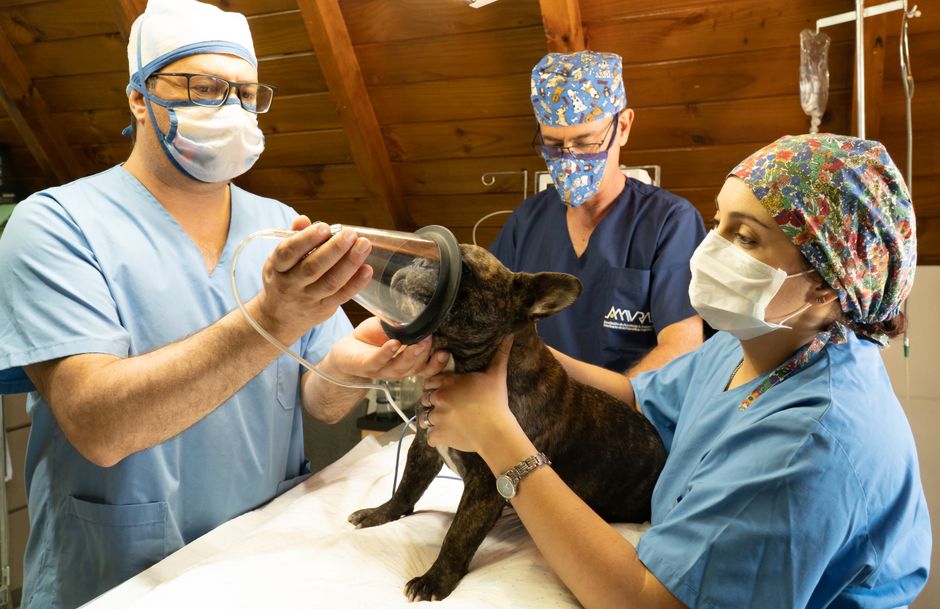
On the day of surgery, your dog will undergo a thorough pre-operative evaluation, including bloodwork and imaging to assess overall health. During the procedure, your dog will be placed under general anesthesia while the surgeon carefully makes an incision, adjusts the tibial plateau, and secures it with a specialized plate and screws. The surgical site is then closed, and your dog will be closely monitored as they recover from anesthesia. Most dogs are able to go home within a day or two, depending on their individual needs and how well they recover post-operatively.
For more in-depth information about the procedure and what is involved, you can visit our TPLO surgery for dogs page to learn more about our approach and expertise.
Recovery Timeline and Post-Operative Care
The recovery period after TPLO surgery is a critical time for your dog’s healing and long-term mobility. While every dog is unique, most follow a similar recovery timeline. In the first two weeks, you will need to keep your dog calm and restrict their activity to prevent injury to the healing knee. This means short, leashed potty breaks only and no running, jumping, or playing. The surgical site should be monitored for redness, swelling, or discharge, and your veterinarian may provide an Elizabethan collar to prevent licking or chewing at the incision.
Pain management is a top priority, so your dog will go home with prescribed medications to keep them comfortable. Follow-up visits are scheduled to monitor healing and remove sutures if needed. Around the four-to-six-week mark, gentle rehabilitation exercises and controlled leash walks are gradually introduced to help rebuild muscle strength and improve mobility. By eight to twelve weeks after surgery, most dogs are able to return to normal activity levels, although some may require additional time depending on their age, size, and overall health.
Your active participation in your dog’s recovery is vital. Keeping your dog confined, following medication instructions, attending all follow-up appointments, and working closely with your veterinary team can make a significant difference in the outcome. Our veterinarians at Pet Lovers Animal Hospital Long Beach are always available to answer questions and provide support throughout the recovery process.
Cost of TPLO Surgery for Dogs in Long Beach
One of the most common concerns for pet owners considering TPLO surgery is the cost. The price of TPLO surgery for dogs in Long Beach can vary based on several factors, including your dog’s size, the complexity of the case, and any additional care required before or after the procedure. On average, you can expect the cost to range from $3,000 to $6,000, which typically includes pre-surgical diagnostics, anesthesia, surgical fees, post-operative pain management, hospitalization, and follow-up visits. At Pet Lovers Animal Hospital Long Beach, we believe in transparent, budget-friendly pricing and will discuss all anticipated costs with you before moving forward. If you have pet insurance, some or all of the expenses may be covered, depending on your provider and policy. Our team can help you understand your options and guide you through the payment process, ensuring you can make the best decision for your dog's health and your family’s budget.
Home Care Tips and Preventing Future Injuries
After TPLO surgery, your role in your dog’s recovery is more important than ever. Successful outcomes depend on creating a safe, comfortable environment at home. Steps you can take include limiting slippery surfaces, using non-slip mats, and blocking access to stairs or furniture. Follow your veterinarian’s recommendations regarding exercise and rehabilitation, which may involve supervised leash walks and gentle range-of-motion exercises. Maintaining a healthy weight is crucial for reducing stress on your dog’s joints, so ask about a balanced diet and appropriate feeding guidelines.
Preventing future injuries involves addressing risk factors such as obesity and ensuring your dog receives regular exercise that is appropriate for their age and breed. Routine veterinary checkups can help catch early signs of orthopedic issues before they progress. If you notice any return of limping, swelling, or discomfort as your dog becomes more active, reach out to your veterinary team promptly for guidance.
When to Contact Your Veterinarian
Knowing when to seek veterinary care is essential for your dog’s recovery and long-term well-being. You should contact your veterinarian if you notice increased pain, swelling, or redness at the surgical site, persistent limping, reluctance to bear weight, fever, or changes in appetite or behavior. These signs may indicate complications such as infection or delayed healing and require prompt evaluation. Even after the initial recovery phase, ongoing checkups are important to monitor your dog’s progress and address any concerns that may arise. Our team at Pet Lovers Animal Hospital Long Beach is committed to supporting you and your dog throughout the entire process, providing expert advice and compassionate care every step of the way.
Choosing TPLO Surgery at Pet Lovers Animal Hospital Long Beach
Deciding on TPLO surgery for your dog is a significant step in restoring their mobility and quality of life. At Pet Lovers Animal Hospital Long Beach, our experienced veterinary team is dedicated to providing personalized care tailored to your dog’s unique needs. From the initial consultation to the final follow-up, you can count on our commitment to smart, compassionate care at every stage.
If you are searching for a "vet near me" that offers advanced orthopedic procedures and comprehensive post-operative support, we invite you to schedule an appointment with our veterinary professionals at 5211 Atlantic Ave, Long Beach, CA 90805. Our focus on affordable pricing and exceptional service makes us a trusted choice for families in Long Beach and surrounding communities. For more details about TPLO surgery for dogs, including what to expect and how our team can help, visit our TPLO surgery information page or call us at (562) 349-0000 to book your consultation today. Your dog deserves the best chance at a healthy, active future, and we are here to help make that possible.