What to Expect at a Long Beach Animal Hospital Visit

What to Expect at a Long Beach Animal Hospital Visit
Visiting the veterinarian can feel overwhelming, especially if you are unsure what to expect for your dog or cat. At Pet Lovers Animal Hospital Long Beach, our goal is to make every visit as smooth, informative, and comfortable as possible for both you and your pet. Whether you are coming in for a routine wellness examination, vaccinations, dental care, or an unexpected concern, knowing what happens during a visit to a long beach animal hospital can help ease your mind and prepare you for a positive experience. In this blog, we will walk you through each stage of a typical veterinary appointment, highlight the common services we provide for pets in Long Beach and surrounding communities, and explain how our veterinary team ensures smart, compassionate care every step of the way. If you are considering a comprehensive pet exam, you can also learn more about our approach to wellness examinations.
Recognizing When Your Pet Needs to Visit a Long Beach Animal Hospital
As a pet owner, it is important to understand when your dog or cat should see a veterinarian. Some visits are routine and preventive, while others are prompted by sudden changes or symptoms. Signs that your pet may need to visit a long beach animal hospital include behaviors such as decreased appetite, vomiting, diarrhea, coughing, or sneezing that lasts more than a day. Other concerning symptoms are excessive scratching, ear shaking, difficulty walking, or visible lumps. If your pet seems more tired than usual, is having trouble urinating, or shows signs of pain, these are also reasons to schedule an appointment. Even if your pet seems healthy, regular wellness exams play a vital role in detecting problems early and keeping your furry family member on track for a long, happy life.
The Importance of Preventive Visits
Many pet owners wonder how often their dogs or cats should visit the veterinarian. Most pets benefit from an annual wellness exam, which is designed to catch issues before they become serious. Puppies, kittens, senior pets, and animals with chronic health conditions may need more frequent checkups. During these visits, our veterinary team can advise you on your pet’s vaccination schedule, dental care needs, parasite prevention, and tailor recommendations to your pet’s unique lifestyle and risk factors.
What Happens During Your Pet's Hospital Visit?
Understanding the process of a veterinary appointment helps set clear expectations and can reduce any anxiety you or your pet might feel. When you arrive at 5211 Atlantic Ave, Long Beach, CA 90805, you will be greeted by our friendly client care team. We strive to create a welcoming environment and keep wait times to a minimum.
The Check-In Process
Upon check-in, you may be asked to update your pet’s medical history and share any recent changes in their health or behavior. This is an ideal time to discuss any concerns about diet, mobility, allergies, or unusual symptoms you have noticed at home. Our veterinary team values this information because it helps us tailor the examination and make the best recommendations for your pet.
The Physical Examination
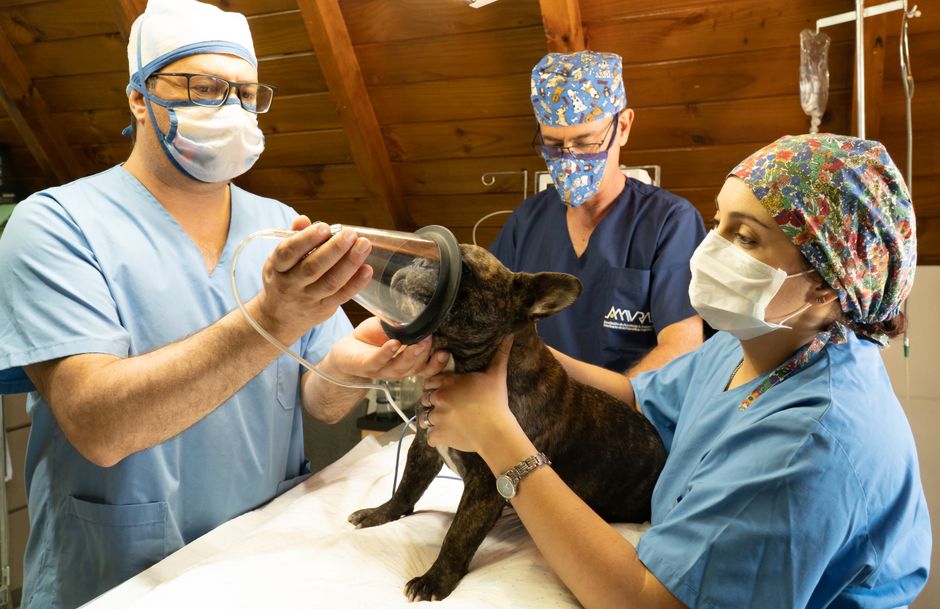
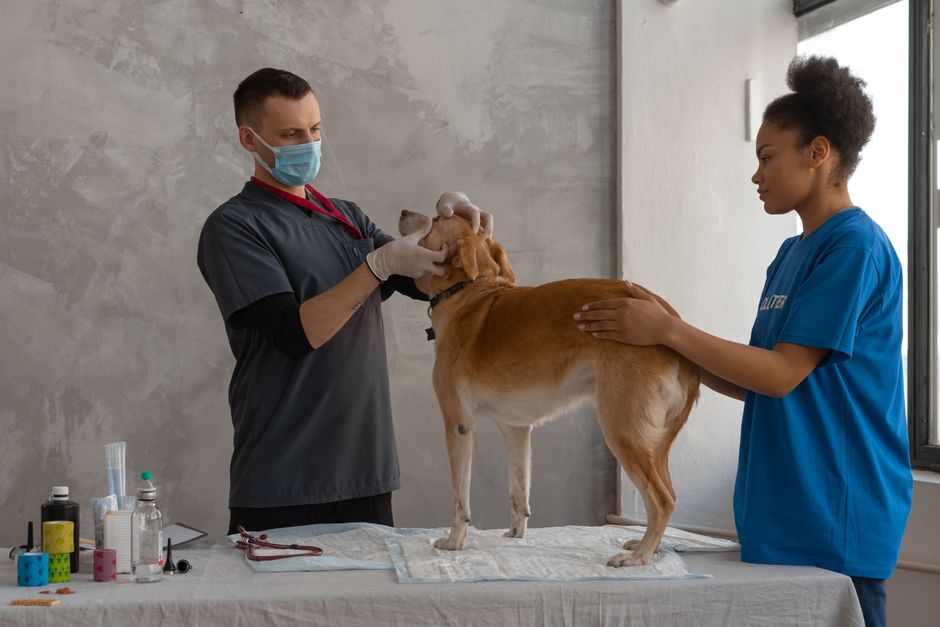
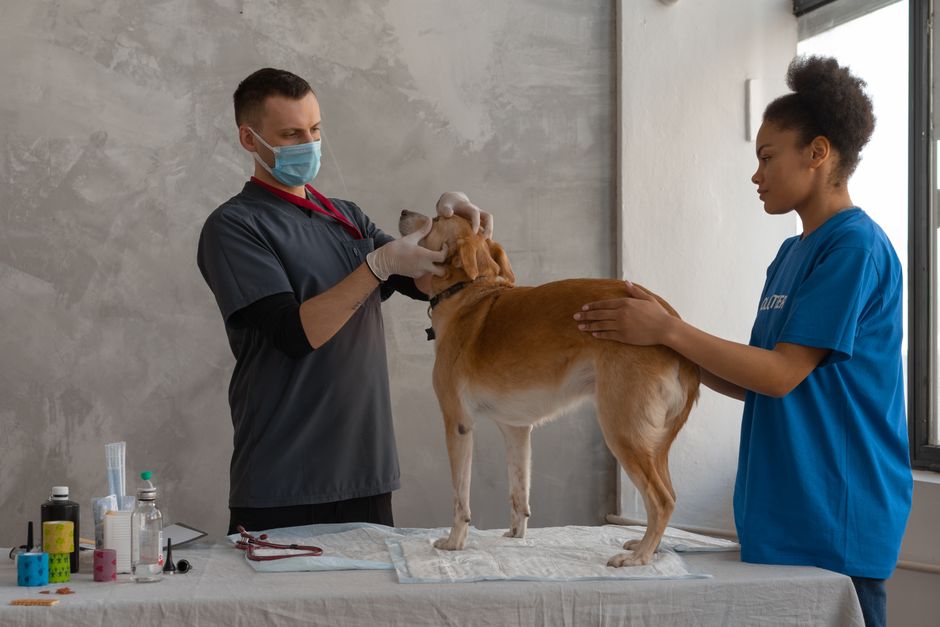
Once your pet is called into an exam room, one of our skilled veterinarians will perform a thorough physical examination. This includes checking your pet’s weight, temperature, heart and lung sounds, and evaluating the eyes, ears, mouth, and skin. We will assess your pet’s joints and muscles, palpate the abdomen, and look for any abnormalities or early warning signs of illness. If your pet is due for a wellness examination, this comprehensive approach allows us to monitor their ongoing health and catch subtle changes early.
Diagnostics and Lab Work
Sometimes, additional testing is recommended to get a complete picture of your pet’s health. Our long beach animal hospital is equipped with advanced diagnostic tools such as digital radiology, in-house laboratory services, and ultrasound imaging. These tests can help us investigate symptoms like unexplained weight loss, persistent vomiting, or changes in urination. Our diagnostic laboratory allows for quick turnaround and accurate results, so you do not have to wait long for answers.
Common Treatments and Procedures
Depending on your pet’s needs, your visit might include services such as pet vaccinations, dental cleanings, spay or neuter procedures, or even more advanced care like laser therapy or orthopedic surgery. For dental health, we offer professional dental cleanings to remove plaque and tartar, helping to prevent tooth loss and gum disease. If your pet is experiencing allergies or skin problems, our team can provide dermatology consultations and tailored treatments. In the case of urgent needs, such as injuries or sudden illness, our hospital is ready to provide emergency veterinary care.
Why Are These Services Important for Dogs and Cats?
Routine veterinary services are essential to ensure your pet’s health and comfort throughout their life. Vaccinations protect against serious diseases such as rabies, parvovirus, and feline leukemia. Regular dental care prevents painful infections and helps your pet keep their teeth well into old age. Wellness exams allow our veterinarians to track your pet’s weight, detect early signs of arthritis, or identify lumps before they become problematic. Diagnostics can reveal hidden issues, such as kidney disease or diabetes, long before outward symptoms appear. By prioritizing these services, you are giving your pet the best chance for a long, healthy life.
Addressing Common Owner Concerns
Many pet owners worry about their pets feeling anxious or stressed during a visit to a long beach animal hospital. At Pet Lovers Animal Hospital Long Beach, we strive to create a calm, gentle environment. Our veterinary team uses low-stress handling techniques and takes the time to help your pet feel comfortable in the exam room. If your pet is particularly nervous, let us know in advance so we can recommend strategies to make their visit easier.
How to Prepare for Your Visit
Bringing your pet to the veterinarian is much easier with a little preparation. Make sure your dog is leashed or your cat is secured in a carrier before leaving home. Gather any relevant medical history, vaccination records, or information about recent changes in appetite, behavior, or energy. If your pet takes medication, bring a list or the medication itself. Arriving a few minutes early allows time for check-in and helps your pet adjust to the new environment. If you have questions about what to bring or how to prepare, explore our FAQs for helpful guidance.
What to Expect After the Visit
Once your appointment is complete, our veterinary team will review the findings with you and discuss any recommended treatments, follow-up care, or home instructions. If lab results or diagnostics were performed, we will communicate those results promptly and help you understand the next steps. Our goal is to keep you well-informed and confident in your pet’s care plan.
Preventive Care and Home Tips
Taking care of your pet’s health does not stop when you leave the hospital. Preventive care at home plays an equally vital role in maintaining your dog or cat’s wellbeing. Make sure your pet receives regular parasite prevention, such as flea and tick control, and stays up to date on vaccinations. Monitor your pet’s weight and body condition, provide a balanced diet, and engage in daily exercise or play. Pay attention to changes in behavior, mobility, or appetite, as these can be early signs of health issues. For dental health, practice gentle tooth brushing if your pet tolerates it and consider scheduling professional dental cleanings as needed. Keeping your pet’s living environment clean, safe, and enriched supports both physical and emotional health.
When to Schedule Follow-Up Care
If your veterinarian recommends follow-up care, such as booster vaccinations, rechecks for chronic conditions, or ongoing medication monitoring, staying on schedule is important for your pet’s long-term health. Our veterinary team will help you remember upcoming appointments and provide reminders when necessary.
When to Seek Immediate Veterinary Attention
While many visits to a long beach animal hospital are planned, certain situations require urgent attention. Seek immediate veterinary care if your pet is having difficulty breathing, is unable to stand, has uncontrolled bleeding, or is experiencing seizures. Other emergencies include ingestion of toxins, heatstroke, sudden collapse, or severe injuries. If you are ever unsure whether your pet’s symptoms are an emergency, it is best to call our veterinary team for guidance. Timely intervention can make a significant difference in your pet’s outcome.
Choosing Pet Lovers Animal Hospital Long Beach for Your Pet’s Care
Selecting the right veterinary partner is a big decision. At Pet Lovers Animal Hospital Long Beach, we are dedicated to providing smart, compassionate care that fits your budget and priorities. Our full-service approach means you can rely on us for everything from routine pet exams to dental care, surgery, and urgent medical needs. We are proud to serve Long Beach and surrounding communities, offering convenient access to high-quality veterinary medicine in a welcoming environment. Whether you are searching for a “vet near me” for your newest family member or need ongoing support for a senior pet, our team is here to help you every step of the way.
Ready to schedule your pet’s next appointment, or have questions about our services? Contact our veterinary team at (562) 349-0000 or visit us at 5211 Atlantic Ave, Long Beach, CA 90805. You can also explore our complete range of veterinary services online. Let Pet Lovers Animal Hospital Long Beach be your trusted long beach animal hospital for all your pet’s health needs.
This article is for informational purposes only and should not replace professional veterinary advice. Always consult with your veterinarian for your pet’s specific health needs.