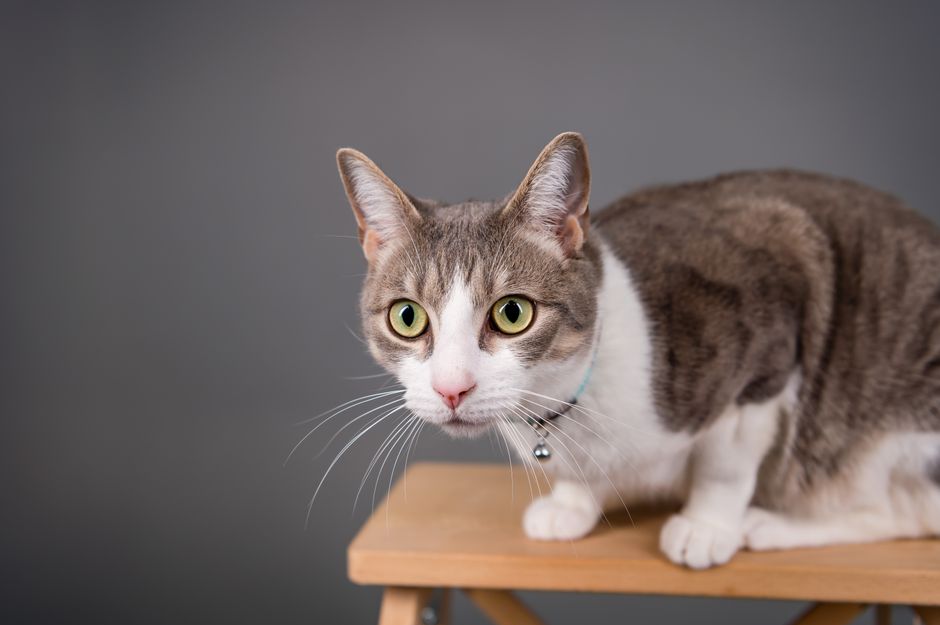
Understanding Allergies in Dogs and Cats: Causes and Relief

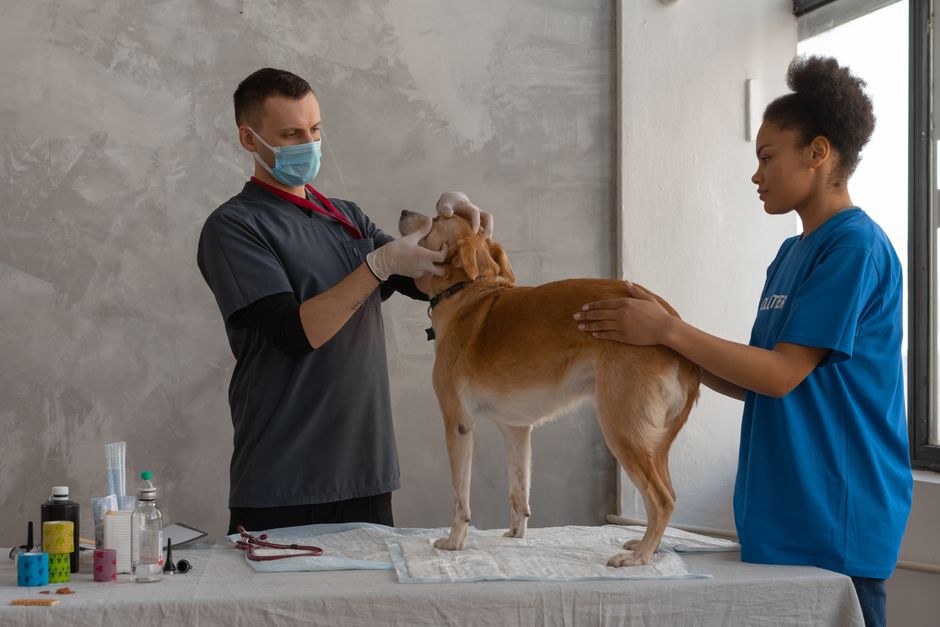
Understanding Allergies in Dogs and Cats: Causes and Relief
Is your dog or cat constantly scratching, licking, or dealing with unexplained skin issues? If so, you are not alone. Many pet owners in Long Beach and surrounding communities find themselves dealing with allergies in their pets, especially during certain times of the year. Allergies can make life uncomfortable for dogs and cats, causing everything from mild itching to more serious skin infections or digestive issues. At Pet Lovers Animal Hospital Long Beach, located at 5211 Atlantic Ave, Long Beach, CA 90805, our veterinary team is dedicated to providing smart, compassionate, and budget-friendly care for your pets. In this blog, we will explore the most common allergy triggers for Long Beach dogs and cats, explain how to recognize symptoms, and discuss the available treatment options that can help your pet find relief. We will also offer guidance on when it’s time to schedule an appointment with your veterinarian and how our team can support your pet’s comfort and health.
Spotting Allergy Symptoms in Dogs and Cats
Allergies in pets often look different from those in people, but the discomfort can be just as significant. For many pet owners, the first sign of an allergy is a change in your dog or cat’s skin or behavior. Key symptoms include frequent scratching, licking, or chewing at the paws and body. You may notice redness, hair loss, or scabs on the skin. Additionally, some pets develop recurring ear infections, which can cause head shaking, odor, or discharge from the ears. Other signs are chronic sneezing, watery eyes, or even gastrointestinal upset such as vomiting or diarrhea.
For dogs, symptoms like persistent itching or hair loss can be frustrating both for pets and their owners. If you are unsure whether your dog’s itching is normal or might signal an allergy, our veterinarians recommend reviewing when to see a veterinarian for itching in dogs to help you decide when professional care is needed. Cat owners often notice excessive grooming, hairballs, or bald spots as signs of allergies, and guidance on when to see a veterinarian for itching in cats can help you recognize when your feline needs expert attention.
Ear infections are another common sign of underlying allergies in both dogs and cats. If your pet is repeatedly shaking their head or scratching at their ears, it may be time to learn more about ear infections associated with allergies in dogs or ear infections in cats.
What Causes Allergies in Pets?
Understanding the cause of your pet’s allergies is the first step toward effective relief. Dogs and cats can develop allergies to a wide variety of substances. Common triggers include environmental allergens such as pollen from trees, grasses, and weeds, which tend to be more prevalent during certain seasons in Long Beach. Dust mites and mold spores can also cause year-round problems, especially in homes with high humidity or older buildings.
Flea bites are another leading cause of allergy symptoms, as many pets are hypersensitive to flea saliva. Even a single flea bite can trigger an intense reaction in some dogs and cats, leading to relentless scratching and secondary skin infections. Food allergies are less common but can cause chronic digestive issues or persistent skin problems. Ingredients such as beef, dairy, chicken, or grains are potential culprits, and identifying the specific trigger often requires a systematic elimination diet supervised by a veterinarian.
Contact allergies are less frequent but can occur when pets are exposed to certain shampoos, cleaning products, or even specific types of bedding material. Long Beach’s climate, with its warm weather and coastal breezes, can increase the presence of environmental allergens and fleas, making it especially important for local pet owners to stay vigilant.
How We Diagnose and Treat Allergies at Pet Lovers Animal Hospital Long Beach
When your pet’s symptoms point to an allergy, our veterinarians take a thorough and compassionate approach to diagnosis and relief. The process typically starts with a complete medical history and physical examination, focusing on your pet’s environment, diet, and previous health concerns. Diagnostic tests may include skin scrapings, blood work, or even allergy testing services to pinpoint the exact cause of your pet’s discomfort.
Treatment approaches involve several strategies, depending on the underlying trigger and your pet’s unique needs. For environmental allergies, management may include regular bathing with medicated shampoos to remove allergens from the fur and skin, as well as prescription medications such as antihistamines, corticosteroids, or newer drugs that target itch at its source. In cases where food allergies are suspected, our veterinary team may recommend a strict elimination diet to identify offending ingredients.
When flea allergies are involved, strict flea prevention is crucial. Our team offers flea and tick prevention services designed to protect your dog or cat from infestations year-round. For pets with chronic or severe allergies, immunotherapy (allergy shots) or advanced dermatological care may be recommended, and our veterinary dermatology services are available to address the toughest skin conditions.
In some cases, secondary infections such as bacteria or yeast can develop due to repeated scratching or open wounds. When this happens, your veterinarian may prescribe antibiotics, antifungal medications, or topical creams to support healing and restore comfort.
Preventing Allergies and Supporting Your Pet’s Comfort at Home
While it is not always possible to prevent allergies entirely, there are several steps you can take at home to minimize your pet’s exposure to common triggers. Regular cleaning of your pet’s bedding and vacuuming carpets can help reduce dust mites and pollen buildup. Bathing your dog with veterinarian-approved shampoos can remove allergens and soothe irritated skin. For cats, daily brushing and wiping paws after outdoor excursions can make a significant difference, especially during peak allergy seasons.
Flea control is a cornerstone of allergy prevention in Southern California. Consistent use of veterinarian-recommended flea preventives throughout the year is essential to prevent allergic reactions and keep your dog or cat comfortable. If your pet has known food sensitivities, working with your veterinarian to develop a safe and balanced diet is the best way to avoid flare-ups.
Monitoring your pet’s skin, ears, and behavior for any changes is key. If you notice increased scratching, hot spots, or changes in appetite or energy, keep a diary of symptoms to share with your veterinary team. Early intervention can often prevent minor irritations from developing into more serious health issues.
When to Schedule an Appointment with Your Veterinarian
Knowing when to seek professional help is important for your pet’s well-being. It is time to schedule an appointment if your dog or cat is constantly scratching, biting, or licking their skin, develops bald patches, or has areas of redness or swelling. Persistent ear infections, changes in appetite, or any signs of pain should also prompt a visit to your veterinarian.
In some cases, symptoms such as rapid swelling, difficulty breathing, or sudden vomiting and diarrhea can indicate a more severe allergic reaction and require immediate care. If you are ever in doubt, our team of veterinarians at Pet Lovers Animal Hospital Long Beach is here to support you and your pet every step of the way. You can always contact us for guidance if you are unsure whether your pet’s symptoms warrant an urgent visit.
Trust Pet Lovers Animal Hospital Long Beach for Compassionate Allergy Relief
Allergies can be a frustrating and ongoing challenge for both pets and their families, but with the right care and support, your dog or cat can enjoy a happier, healthier life. Our dedicated veterinary team at Pet Lovers Animal Hospital Long Beach is committed to providing thorough diagnosis, personalized treatment plans, and ongoing support for pets dealing with allergies. Whether your pet needs allergy testing services, help with dermatology, or year-round flea and tick prevention, we are here to help you every step of the way.
If you find yourself searching for a veterinarian near me, know that our team is ready to help your pet find lasting relief from allergy symptoms. Schedule an appointment by calling (562) 349-0000 or by visiting us at 5211 Atlantic Ave, Long Beach, CA 90805. Let us partner with you to ensure your pet enjoys the comfort and quality of life they deserve, right here in Long Beach and surrounding communities.
This blog is for informational purposes only and should not be considered a substitute for professional veterinary advice. If your pet is experiencing health problems, consult your veterinarian for individualized recommendations and care.