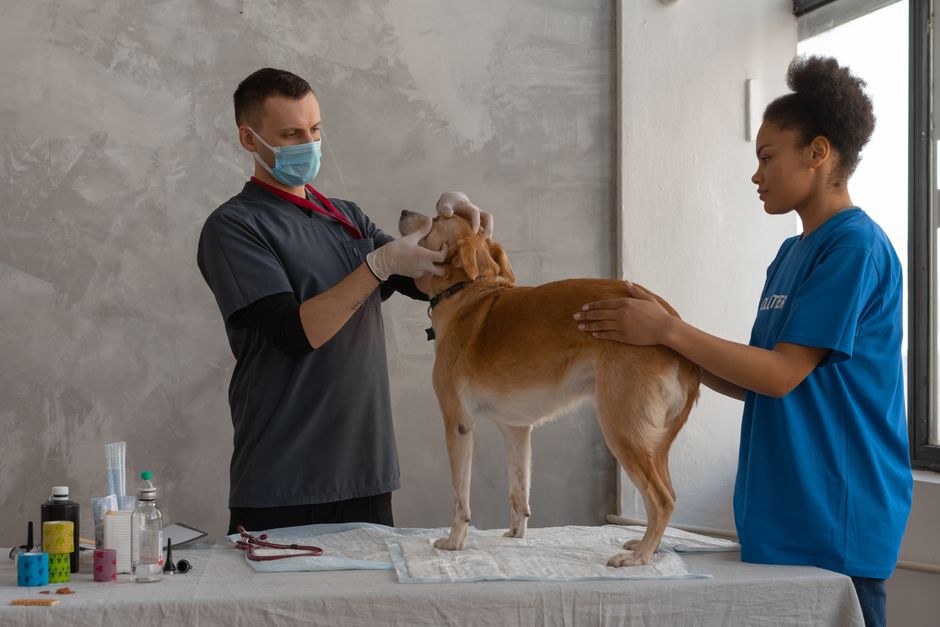
Why Regular Dental Care Matters for Long Beach Pets

Why Regular Dental Care Matters for Long Beach Pets
Healthy teeth and gums are just as important for your dog or cat as they are for you. Yet, many pet owners in Long Beach may not realize how much their pet’s oral health impacts their comfort and wellbeing. At Pet Lovers Animal Hospital Long Beach, located at 5211 Atlantic Ave, Long Beach, CA 90805, our veterinary team sees firsthand how routine dental care can prevent pain, bad breath, and even life-threatening diseases. This November, as dental health awareness comes into focus, we want to help you understand why regular dental care is essential and how you can keep your pet’s smile bright all year long.
In the following sections, we’ll explore the common signs of dental disease in pets, what causes these problems, how veterinary treatment and at-home care work together to protect your dog or cat, and when it’s time to schedule a dental checkup. We’ll also highlight the dental services available at our Long Beach clinic and offer guidance on choosing a “vet near me” who prioritizes your pet’s oral health. If you have questions about your pet’s dental care needs or want to learn more about our professional pet dental cleaning services, our veterinary team is here to help.
Recognizing the Signs of Dental Problems in Dogs and Cats
Pets are masters at hiding discomfort, so dental issues often go unnoticed until they become advanced. Knowing what to look for can make a big difference in your pet’s quality of life. Bad breath is one of the earliest and most common signs that something is wrong. While it’s easy to dismiss as “doggy breath” or “cat breath,” persistent odor usually points to underlying dental disease. Learn more about bad breath in dogs and bad breath in cats on our website.
Other warning signs of dental trouble include red or swollen gums, yellow or brown tartar buildup on the teeth, and visible plaque. Some pets might drool excessively or paw at their mouth; learn more about drooling in dogs and drooling in cats if you notice these symptoms. You might also see your pet eating on one side of their mouth, dropping food, or becoming reluctant to chew hard kibble or toys. In severe cases, loose or missing teeth, bleeding from the mouth, or facial swelling can occur.
Behavioral changes, such as increased irritability or withdrawal, may also signal dental discomfort. If your usually playful pet starts hiding or seems less enthusiastic about meals, dental pain could be the cause. Recognizing these clues early gives your pet the best chance at a healthy, pain-free mouth.
Why Dental Disease Happens in Pets
Dental disease develops when plaque—a sticky film of bacteria—builds up on your pet’s teeth. If not removed through regular brushing or dental cleanings, this plaque hardens into tartar, which irritates the gums and creates a breeding ground for more bacteria. Over time, this process leads to gingivitis (inflammation of the gums), periodontal disease (infection and loss of tooth-supporting structures), and tooth decay.
Several factors can increase your pet’s risk for dental problems. Small breed dogs and some cats are especially prone to dental disease because their teeth are crowded or their mouths are shaped in ways that trap debris. Age is another factor; as pets get older, years of plaque buildup can catch up with them. Diet also plays a role, as pets who eat only soft foods may not benefit from the natural cleaning action of chewing kibble.
Without intervention, dental disease doesn’t just stay in the mouth. Bacteria from infected gums can enter the bloodstream and travel to vital organs, potentially affecting the heart, liver, and kidneys. This is why untreated dental problems in pets are more than a cosmetic concern—they can be life-threatening.
Professional Dental Care for Pets: What to Expect
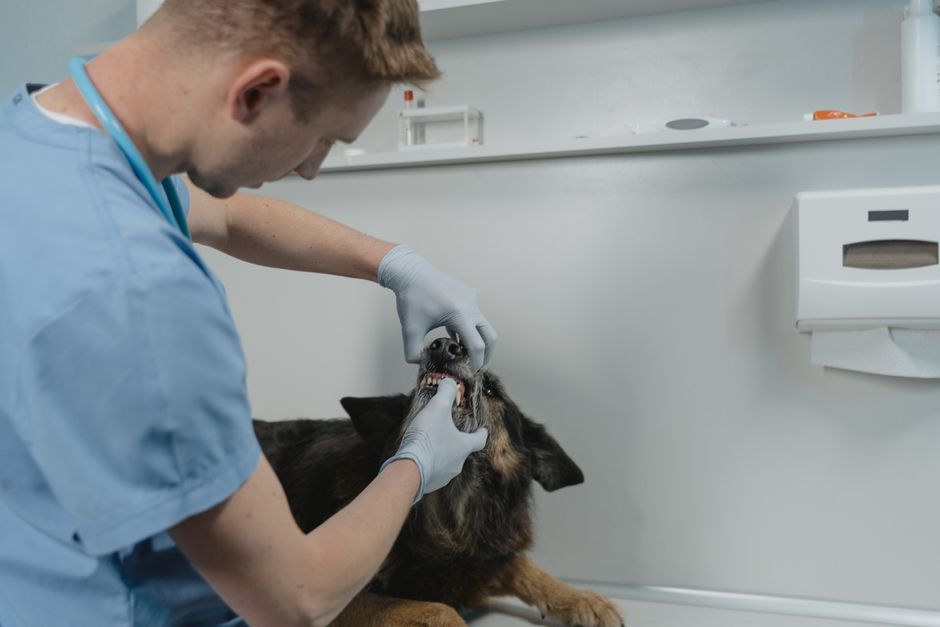
Routine veterinary dental care is the foundation of oral health for pets. At Pet Lovers Animal Hospital Long Beach, our veterinarians begin with a thorough oral exam to assess your pet’s teeth and gums. If we see signs of dental disease, we will recommend a professional dental cleaning, which is performed under anesthesia for your pet’s safety and comfort.
During a professional cleaning, our team removes plaque and tartar both above and below the gumline. We then polish the teeth to create a smooth surface that resists future buildup. In some cases, we may need to take dental radiographs to check for hidden problems like root infections or bone loss. If we find damaged or infected teeth, our veterinarians can provide pet tooth extraction services or recommend appropriate pet oral surgery to resolve the issue and restore comfort.
Our clinic also offers specialized dental repair services for pets with chipped, fractured, or otherwise injured teeth. With advanced tools and gentle handling, we aim to make every dental procedure as stress-free as possible for your dog or cat.
At-Home Care: Keeping Your Pet’s Teeth Clean Between Veterinary Visits
While professional cleanings are essential, what you do at home can make a world of difference in your pet’s oral health. The most effective way to prevent plaque buildup is daily tooth brushing with a pet-safe toothbrush and toothpaste. If brushing every day isn’t possible, even a few times a week can help. Start slowly, use plenty of praise, and make the experience as positive as possible for your pet.
In addition to brushing, dental chews, special diets, and toys designed to reduce plaque can contribute to a healthier mouth. Ask our veterinarians about products that are safe and effective for your dog or cat. Avoid giving your pet hard bones or objects that could fracture a tooth.
Monitor your pet’s mouth regularly for changes like redness, swelling, or odor, and keep an eye out for the subtle signs of discomfort described earlier. Combining consistent home care with annual or semiannual dental checkups at our clinic will give your pet the best chance at lifelong oral health.
When to Schedule a Veterinary Dental Exam
If you notice any of the symptoms discussed—such as persistent bad breath, drooling, inflamed gums, or changes in eating habits—it’s time to schedule an appointment with our veterinary professionals. Even if your pet seems healthy, annual dental evaluations are recommended to catch issues before they become painful or costly to treat.
For pets with a history of dental disease, our veterinarians may recommend more frequent checkups or advanced diagnostics. Timing is especially important for puppies and kittens, who may need an early assessment to identify retained baby teeth or genetic issues, and for senior pets, who are more susceptible to oral health problems.
Never attempt to treat dental disease at home; painful teeth, loose teeth, or oral bleeding require prompt veterinary attention. Our Long Beach clinic is equipped to diagnose and treat all stages of dental disease safely and compassionately.
Choosing the Right Veterinarian for Your Pet’s Dental Needs in Long Beach
When looking for a veterinarian to care for your pet’s teeth, consider a clinic that offers comprehensive dental services, experienced veterinary professionals, and a commitment to gentle, individualized care. At Pet Lovers Animal Hospital Long Beach, our team understands the unique needs of dogs and cats living in Long Beach and surrounding communities. We offer everything from preventive dental cleanings to advanced oral surgery, using state-of-the-art technology and a compassionate approach.
If you have been searching for a “vet near me” who takes your pet’s dental health seriously, we invite you to experience the difference at our clinic. Our veterinarians are dedicated to making dental care accessible, affordable, and effective for every family.
Keeping Your Pet’s Smile Healthy All Year Long
Your pet’s dental health is a vital part of their overall wellbeing. By recognizing early warning signs, understanding the causes of dental disease, partnering with your veterinarian for professional cleanings, and maintaining a consistent home care routine, you can help your dog or cat enjoy a comfortable, happy life.
If you have questions about your pet’s oral health or are ready to schedule a dental evaluation, contact our friendly veterinary team at Pet Lovers Animal Hospital Long Beach. You can reach us at (562) 349-0000 to book an appointment or learn more about our professional pet dental cleaning services. We’re here to support your pet’s health every step of the way, offering smart, compassionate care for families in Long Beach and the surrounding communities.
Give your pet the gift of a healthy smile this season by choosing a veterinarian who puts dental health first. Your furry family member will thank you with brighter smiles and happier days for years to come.