What to Expect From TPLO Surgery for Dogs


What to Expect From TPLO Surgery for Dogs
If your dog has been diagnosed with a knee injury such as a torn cranial cruciate ligament (CCL), you are likely searching for the best solution to help your companion regain comfort and mobility. One of the most effective treatments for this type of injury is Tibial Plateau Leveling Osteotomy, or TPLO surgery. At Pet Lovers Animal Hospital Long Beach, located at 5211 Atlantic Ave, Long Beach, CA 90805, our veterinary team specializes in providing compassionate, state-of-the-art care for dogs facing orthopedic challenges. This blog will help you understand what TPLO surgery for dogs involves, when it may be necessary, and how our team supports your dog through every step of the recovery process. If you are considering tplo surgery dog for your canine companion in Long Beach and the surrounding communities, read on to learn what to expect and how to ensure the smoothest possible outcome.
Recognizing Knee Injuries in Dogs: When Is TPLO Surgery Needed?
Knee injuries are one of the most common orthopedic problems in dogs, particularly those who are active, large-breed, or aging. The cranial cruciate ligament (CCL) in your dog's knee is similar to the ACL in humans and plays a vital role in stabilizing the joint. When this ligament tears or ruptures, your dog may suddenly begin limping or holding up a hind leg. In some cases, the change can be abrupt after a run in the yard or a leap off the couch, while in others, the symptoms develop gradually as the ligament weakens over time.
Key symptoms of a knee injury that may require TPLO surgery include sudden or ongoing limping, difficulty rising or jumping, obvious discomfort when walking, swelling around the knee joint, and favoring one leg over the other. Some dogs may display stiffness after rest, reluctance to play, or even vocalize pain when the leg is manipulated. If your dog is showing any of these signs, it is important to seek veterinary evaluation promptly. Our team can perform a thorough orthopedic examination and, when needed, advanced digital radiology to assess the extent of the injury and determine if tplo surgery dog is the right solution.
Understanding the Causes of Canine Knee Injuries
Cruciate ligament injuries can affect dogs of any breed, age, or activity level, but certain risk factors make some dogs more susceptible. Overweight dogs and those with an active lifestyle may place extra strain on their knee joints, increasing the risk of ligament tears. Additionally, some breeds such as Labradors, Rottweilers, and Golden Retrievers have a genetic predisposition to knee instability. Repetitive jumping, sudden turns during play, and underlying joint disease such as arthritis can also contribute to ligament degeneration over time.
In many cases, a dog's CCL will weaken gradually until a relatively minor movement causes it to rupture. For other dogs, the injury may happen suddenly during a play session or while chasing a ball. Regardless of how the injury occurs, a torn CCL destabilizes the knee joint, leading to pain, swelling, and reduced mobility. Left untreated, this can result in long-term joint damage, arthritis, and ongoing discomfort for your dog. Early recognition and timely intervention are crucial for preserving your dog's quality of life and preventing further complications.
What Is TPLO Surgery and How Does It Help Your Dog?
TPLO, or Tibial Plateau Leveling Osteotomy, is a surgical procedure designed to stabilize the knee joint after a CCL tear. Unlike traditional ligament replacement surgeries, TPLO changes the biomechanics of your dog's knee so that the torn ligament is no longer necessary for stability. During the procedure, the veterinary surgeon reshapes the tibia (shin bone) to alter the slope of the knee joint, then secures the bone in its new position with a specialized plate and screws. This adjustment allows your dog to bear weight more comfortably and prevents the painful sliding motion that occurs when the ligament is ruptured.
At Pet Lovers Animal Hospital Long Beach, our experienced veterinary team will walk you through every step of the TPLO surgery process, from initial diagnosis to post-operative care. The benefits of tplo surgery dog include restored mobility, significant pain relief, and a much faster return to normal activity compared to other surgical options. With proper aftercare, most dogs regain near-normal function in the affected leg and can enjoy an active lifestyle once again.
The TPLO Surgery Experience at Pet Lovers Animal Hospital Long Beach
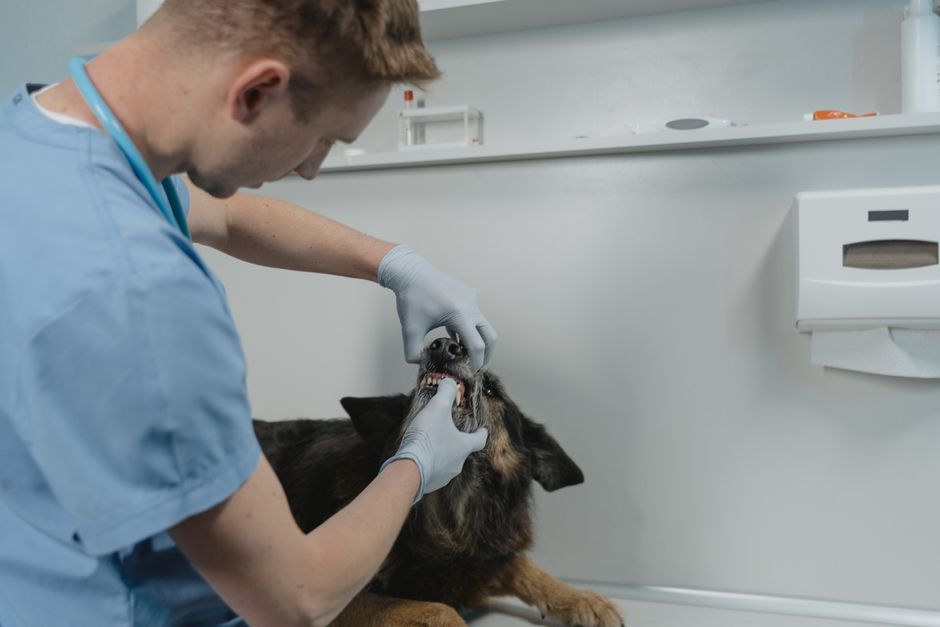
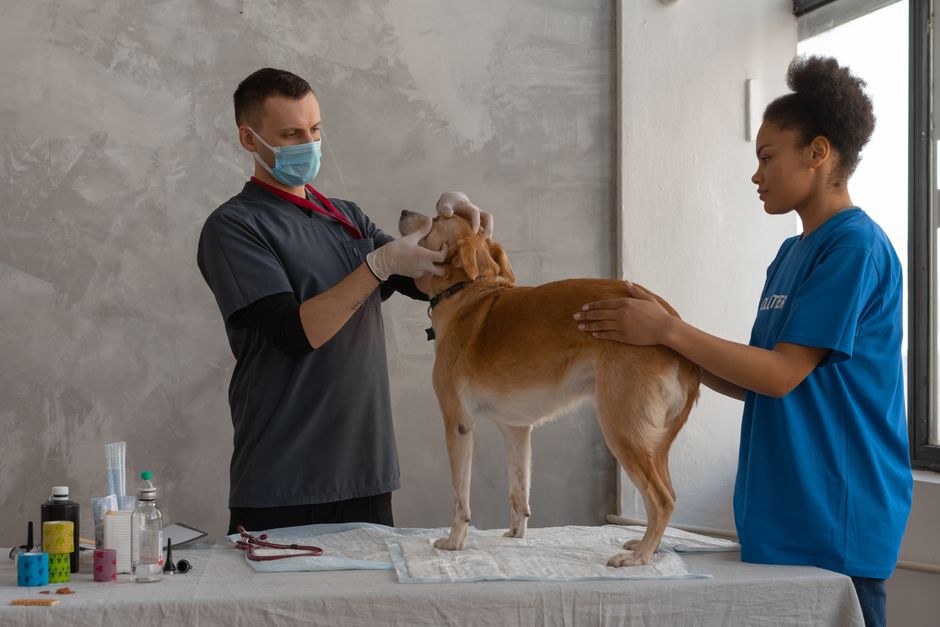
When you schedule a consultation for your dog's knee injury, our veterinarians will begin with a comprehensive physical examination and may recommend diagnostic imaging such as digital radiology to confirm the diagnosis. If TPLO is indicated, we will discuss the procedure in detail and answer all your questions about what to expect before, during, and after surgery.
On the day of the procedure, your dog will be carefully monitored under anesthesia while our surgical team performs the operation. Pain management, infection prevention, and stress reduction are top priorities throughout the process. After surgery, your dog will recover in a quiet, comfortable environment while our team monitors vital signs and manages pain. Most dogs return home the same day or after an overnight stay, depending on their individual needs.
Home Care and Recovery After TPLO Surgery
Successful recovery after TPLO surgery depends on attentive post-operative care at home and regular follow-up visits with your veterinary team. During the first few weeks, your dog will need strict rest to allow the bone to heal properly. This means limiting activity to short leash walks for bathroom breaks and preventing jumping, running, or play. Your veterinarian will provide detailed instructions for managing pain, administering medications, and monitoring the incision for signs of infection.
Physical rehabilitation often begins within a week or two of surgery and is tailored to your dog's comfort and progress. Gentle, controlled exercises help rebuild muscle strength and improve joint mobility. Your dog may also benefit from therapies such as cold laser, massage, or hydrotherapy, depending on their individual needs. Regular rechecks ensure that your dog is healing as expected and provide an opportunity to discuss any concerns about recovery.
While the idea of keeping your dog calm and quiet for several weeks can feel daunting, most pet owners are pleasantly surprised by how quickly their dogs adapt to the routine. With your support and our guidance, your dog can make a full recovery and return to their favorite activities, whether that means long walks in the park or playful romps in the backyard.
Preventing Knee Injuries in Dogs
Although some cruciate ligament injuries are unavoidable due to genetics or age, there are steps you can take to help protect your dog's knees. Maintaining a healthy weight is one of the most effective ways to reduce strain on your dog's joints. Feeding a balanced diet, providing regular exercise appropriate for your dog's age and breed, and avoiding high-impact activities can all contribute to joint health. For dogs prone to knee problems, your veterinarian may recommend joint supplements or routine orthopedic evaluations to monitor for early signs of instability.
Promptly addressing any signs of lameness, stiffness, or discomfort can also prevent minor injuries from progressing to more serious issues. Our team encourages regular orthopedic evaluations for dogs at risk of knee injuries, especially large breeds and active dogs in Long Beach and the surrounding areas. Early intervention leads to better outcomes and ensures your dog stays comfortable and mobile.
When to Seek Veterinary Care for a Limping Dog
If your dog is limping, reluctant to put weight on a hind leg, or showing signs of pain around the knee, it is important not to wait for symptoms to improve on their own. Some mild sprains or strains may resolve with rest, but a torn cruciate ligament requires professional evaluation and often surgical intervention. Delaying treatment can lead to increased joint damage, chronic pain, and a more challenging recovery.
You should schedule an appointment with our veterinary team if your dog is persistently lame, has swelling or heat around the knee, or seems unable to get comfortable. If your dog experiences sudden, severe pain or becomes non-weight-bearing, immediate attention is warranted. For more information on determining when to see a veterinarian for limping, review our guidance on when to seek care for a limping dog.
Supporting You and Your Dog Every Step of the Way
Facing the prospect of tplo surgery dog can be overwhelming, but you are not alone. At Pet Lovers Animal Hospital Long Beach, our compassionate veterinary professionals are dedicated to guiding you and your dog through every stage of diagnosis, treatment, and recovery. We understand the unique bond you share with your dog and strive to make the surgical experience as smooth, comfortable, and stress-free as possible.
If you are searching for a veterinarian near me who offers advanced knee surgery and personalized aftercare, our team is here to help. We encourage you to reach out with any questions or to schedule a consultation for your dog's knee injury. To learn more about TPLO surgery and how it can restore your dog's quality of life, visit our TPLO surgery services page or call us at (562) 349-0000. You can also stop by our convenient location at 5211 Atlantic Ave, Long Beach, CA 90805.
Your dog's comfort and well-being are our highest priorities. Let Pet Lovers Animal Hospital Long Beach be your trusted partner in supporting a healthy, active life for your companion.