Winter Pet Care Tips for Long Beach’s Mild Rainy Season

Winter Pet Care Tips for Long Beach’s Mild Rainy Season
As December brings cooler temperatures and gentle rains to Long Beach, pet owners often wonder how to keep their furry companions comfortable and healthy during the region’s mild winter. While Long Beach doesn’t experience snow or freezing temperatures like other areas, the combination of damp weather and cooler nights can present unique challenges for pets. At Pet Lovers Animal Hospital Long Beach, located in the heart of Long Beach and surrounding communities, our veterinary team understands the importance of adapting your pet’s care routine to fit the local climate. In this blog, we’ll guide you through practical winter pet care tips tailored for Long Beach’s rainy season, from managing outdoor walks to supporting your pet’s skin health. Whether you’re seeking advice on indoor enrichment or wondering about the right time for a wellness examination, you’ll find actionable suggestions to help your pet thrive. We’ll also explain when you should schedule an appointment with a "vet near me" to address weather-related concerns—ensuring your pet stays happy and healthy all season long.
Recognizing When Your Pet Needs Extra Winter Care
Even in a mild coastal climate, winter conditions can affect your pet’s comfort and wellbeing. Recognizing when your pet is struggling with the rainy season is the first step in providing effective care. Common signs that winter weather may be impacting your pet include reluctance to go outside, shivering after walks, or seeking extra warmth indoors. Cats and dogs may also display changes in their skin or coat, such as increased dryness or flakiness, which can be more noticeable after rainy outings. Watch for symptoms such as excessive licking of paws or skin, persistent scratching, or areas of redness; these can indicate that your pet is experiencing environmental discomfort or a possible skin issue. Additionally, pets might become less active or show restlessness if they are not getting adequate exercise during periods of heavy rain. By staying aware of these subtle changes and observing your pet’s behavior closely, you’ll be well-equipped to support their health throughout the cooler months.
Understanding the Causes: How Rainy Weather Affects Local Pets
Long Beach’s winter rainy season brings a combination of cooler temperatures, increased moisture, and reduced daylight. While these changes are rarely extreme, they can influence your pet’s health and daily routine in several ways. The dampness can lead to wet fur and paws, which, if not dried thoroughly, may cause skin irritation or promote the growth of bacteria and yeast. Puddles and muddy areas may expose pets to environmental allergens or parasites, especially if they walk through parks or neighborhoods where standing water is common. For dogs that are used to regular walks, rain and wind can discourage outdoor activity, leading to pent-up energy or weight gain if indoor play isn’t increased. Cats that enjoy patio or yard time might spend more hours indoors, which can affect their mood and exercise habits. The combination of indoor heating and outside humidity shifts can also contribute to dry or flaky skin. These climate-related factors highlight why "winter pet care Long Beach" isn’t just about staying warm, but about creating a healthy balance between outdoor activity and indoor comfort.
Skin and Coat Health During the Rainy Season
Rain and moisture can be tough on your pet’s skin, especially for dogs and cats with sensitive coats or existing dermatological conditions. Damp fur, if left untreated, can become a breeding ground for bacteria and fungi. Signs that your pet’s skin health may be affected by the rainy season include persistent scratching, hotspots, or a dull coat. Certain breeds with dense or water-resistant fur may trap moisture close to the skin, while pets with allergies may react to increased mold or pollen levels stirred up by wet weather. If you notice persistent skin issues, consider consulting with our veterinarians about dermatology services or allergy testing to identify and manage any underlying problems.
Professional Veterinary Support: How We Help Pets Thrive in Mild Winters
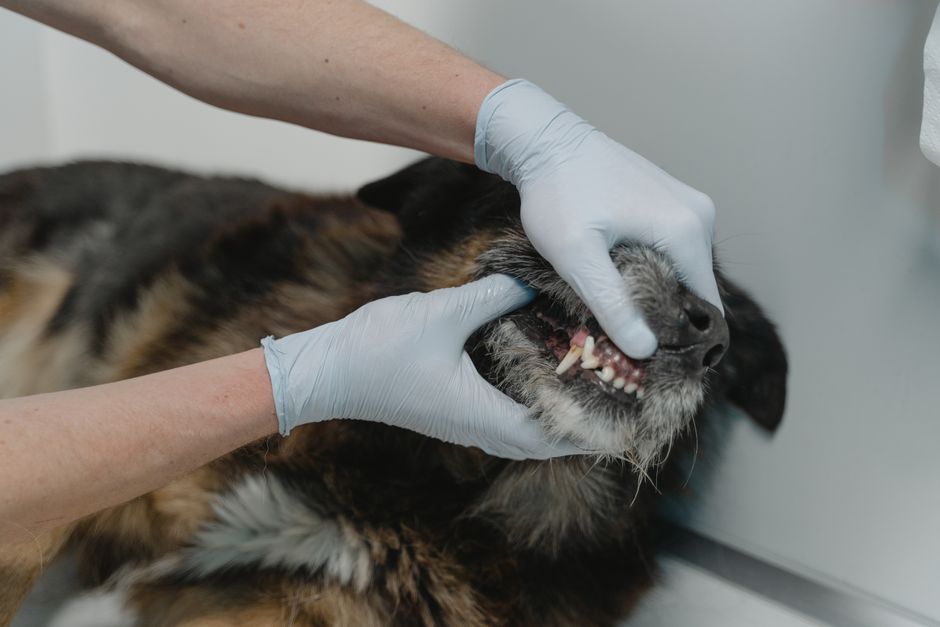
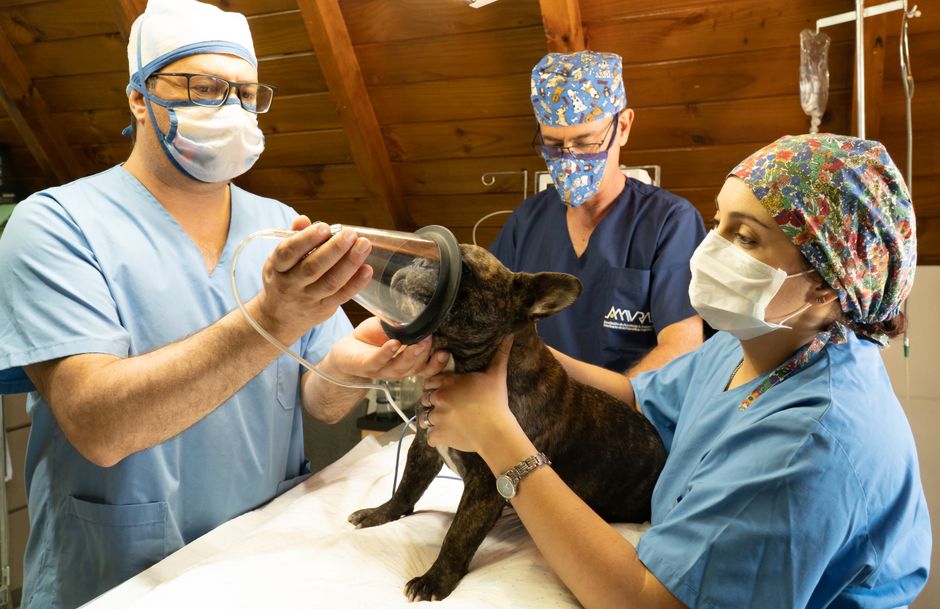
Our team at Pet Lovers Animal Hospital Long Beach has extensive experience managing the unique needs of pets during the local rainy season. When you bring your pet in for a winter wellness visit, we assess their overall health, focusing on skin, coat, and joint condition, as well as any changes in weight or behavior. Treatment options for pets affected by winter conditions may involve specialized shampoos to address skin dryness, supplements to promote a healthy coat, or guidance on safe indoor exercise routines. For pets with persistent itching, irritation, or suspected allergies, we may recommend additional diagnostics such as comprehensive allergy testing or a targeted wellness examination. Our approach to "veterinary services in Long Beach" centers on preventive care and early intervention, helping to catch issues before they become more serious. Should your pet experience a sudden decline in health or develop acute symptoms, our emergency veterinary care is available to provide urgent support.
Indoor Wellness and Behavioral Support
When outdoor play is limited by rain, our veterinary professionals often recommend enrichment strategies to keep pets mentally and physically stimulated indoors. Activities such as interactive toys, food puzzles, and short play sessions can help maintain your pet’s fitness and reduce stress. If you’re concerned about your pet’s adjustment to increased time indoors, our team can offer personalized recommendations based on your pet’s age, breed, and temperament.
At-Home Winter Pet Care Tips for Long Beach Pet Owners
Caring for your pet during Long Beach’s rainy season involves a few simple but important home care steps. After walks or outdoor play, make it a habit to gently dry your pet’s fur and paws with a clean towel. This helps prevent skin irritation and keeps mud and allergens from being tracked indoors. If your pet is prone to dry skin, ask your veterinarian about safe, moisturizing shampoos or dietary supplements that support coat health. For dogs that resist going outside during rain, try using a well-fitted waterproof jacket and time walks during lighter showers. Short, frequent walks can be easier on sensitive pets than a single long outing. Indoor cats may benefit from window perches or new toys to keep them engaged when outdoor access is limited. Providing a warm, draft-free resting area encourages relaxation and comfort. Other preventive steps include keeping pet bedding clean and dry, scheduling regular grooming appointments, and watching for any changes in appetite or energy that might signal underlying health concerns. Remember that "rainy season pet tips" aren’t just about avoiding puddles; they’re about protecting your pet’s health in every aspect of their daily routine.
Protecting Your Pet from Fleas, Ticks, and Other Winter Pests
Even during cooler months, Long Beach’s mild climate means fleas and ticks can remain active year-round. Wet weather can drive these pests into sheltered areas, increasing the risk of infestations. Our veterinarians recommend staying consistent with your pet’s flea and tick prevention regimen throughout the winter. If your pet spends time in grassy or wooded areas, especially after rains, regular checks for pests are essential. Signs of flea or tick exposure include excessive scratching, licking, or visible parasites on the skin. Prevention is key to protecting your pet and your home from uncomfortable infestations.
When to Schedule a Veterinary Visit: Knowing When Your Pet Needs Extra Help
While many winter weather issues can be managed at home, some situations require prompt veterinary attention. Schedule an appointment with our veterinary team if you notice persistent skin problems, unexplained weight changes, or ongoing lethargy in your pet. Warning signs that indicate a need for professional care include wounds that do not heal, signs of respiratory distress, persistent coughing, or gastrointestinal issues such as vomiting and diarrhea. Pets with chronic health conditions—such as arthritis or allergies—may need adjustments to their management plans during the rainy season. If you’re ever unsure whether a symptom is serious, contacting a "vet near me" for guidance can help you make the best decisions for your pet’s health. Our team at Pet Lovers Animal Hospital Long Beach is always ready to support you with compassionate, expert care tailored to local conditions.
Emergency Situations During the Rainy Season
Certain emergencies can arise regardless of season. If your pet is exposed to toxic substances (such as antifreeze or certain plants), develops sudden difficulty breathing, or experiences trauma during slippery walks, seek emergency veterinary care immediately. Quick action can make all the difference in protecting your pet’s health.
Helping Your Pet Enjoy Long Beach’s Winter: Key Takeaways and Next Steps
Navigating winter pet care in Long Beach means balancing the joys of cooler weather with mindful attention to your pet’s changing needs. By observing your pet’s behavior, maintaining consistent preventive routines, and adapting your home environment, you can help your furry companion remain happy and healthy throughout the rainy season. Remember, our team of veterinarians is here to offer support and answer your questions—from routine wellness examinations to urgent health concerns. If you’re searching for a "vet near me" who truly understands the needs of Long Beach pets, look no further than Pet Lovers Animal Hospital Long Beach. We invite you to schedule an appointment at our convenient Long Beach location or call us at (562) 349-0000 for compassionate, comprehensive veterinary services in Long Beach. With smart, budget-friendly care and a genuine commitment to your pet’s wellbeing, we’re proud to be your trusted partner this winter and beyond.
This blog is intended for informational purposes only and does not replace professional veterinary advice. If you have specific concerns about your pet’s health during the rainy season, please consult with our veterinary professionals for personalized guidance.